Arab Israeli Parties Signal Support for Opposition
Arab Israeli parties signaled willingness to support a coalition with Jewish-led parties to try to remove Prime Minister Benjamin Netanyahu from power. The proposal was presented by Ahmad Tibi, a veteran parliamentarian and member of the Joint List. The strategy aims to bypass resistance and enable an opposition government without formal Arab participation.

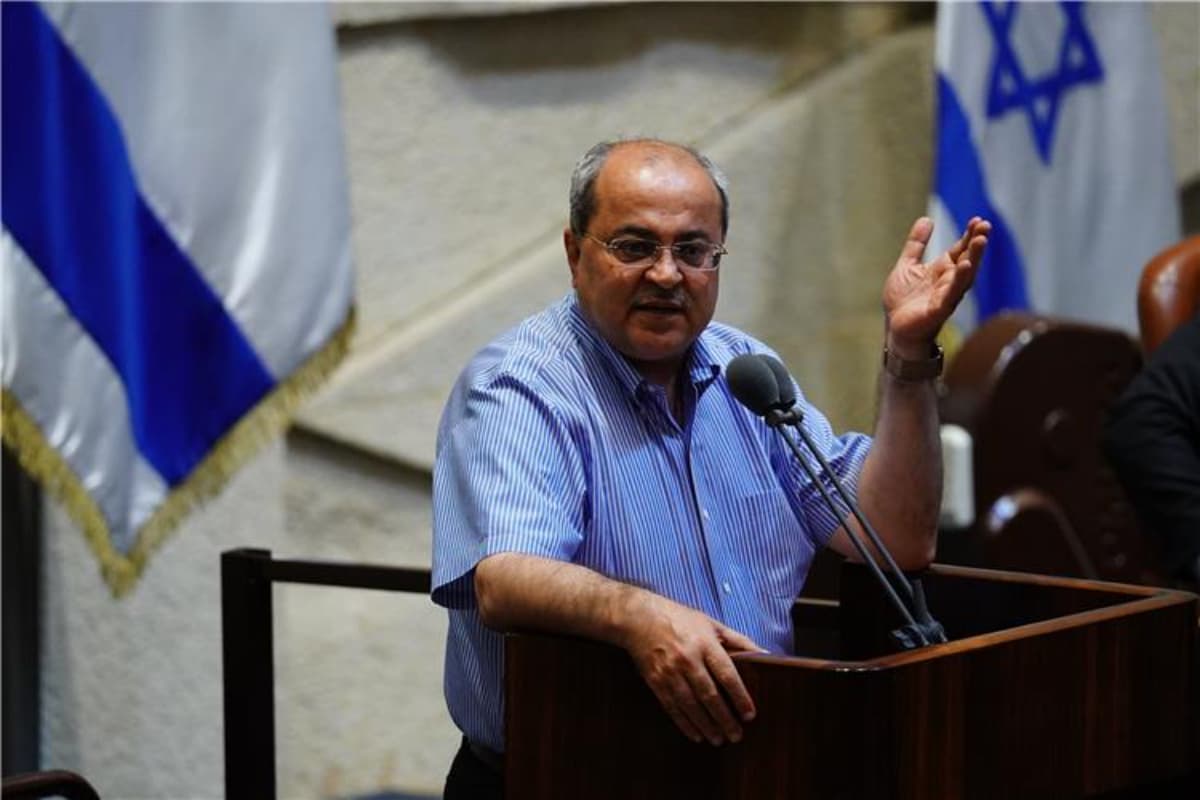
Arab parties in Israel have signalled willingness to support a joint Jewish-led subtitles to try to remove Prime Minister Benjamin Netanyahu from power. The proposal was presented by Ahmad Tibi, a veteran parliamentarian and member of the Arab Joint List, who said the bloc is willing to break with decades of political precedents to enable an opposition government.
According to the parliamentary, the Joint List can support an anti-Netanyahu administration without necessarily occupying ministries or formally joining the coalition. The declaration was made in a context of political impasse in the country, after successive elections without any bloc obtaining a clear majority in Parliament.
Arab blocks add up to 19 chairs
The Joint List won 11 seats, and the Arab Ra’am party won another eight. The two Arab blocs have 19 seats and may be fundamental for the opposition to reach a parliamentary majority. The articulation, however, depends on Jewish-led parties agreeing to negotiate with the Arabic acronym.
So far, the source has not detailed which Jewish subtitles would be willing to dialogue. The rapprochement between the blocs would require overcoming decades of mutual mistrust and deep ideological differences, especially in relation to the conflict with the Palestinians and the character of the State of Israel.
Strategy to circumvent resistances
The strategy also seeks to circumvent the resistance of sectors of the Israeli opposition to the participation of Arab parties in a government. For Tibi, the cooperation would be an opportunity to remove Netanyahu from power and make room for measures aimed at the Arab population of the country. The Arab population represents about 20% of Israel’s citizens and historically faces inequalities in areas such as housing, education and employment.
On the other hand, the anti-Netanyahou Jewish parties would have to deal with the resistance of sectors of their electorate to approach with Arab subtitles. Some of these acronyms question statements by members of the Joint List about Israel and the conflict in the region. Some opposition leaders have publicly indicated they would not accept support from Arab parties, fearing losing votes from more conservative voters.
Limited historical precedent
The participation of Arab parties in Israeli governments is historically limited. To date, only one Arab legend has formally joined a ruling coalition: the Ra’am, which was part of the administration led by Naftali Bennett and Yair Lapid in 2021. At that time, the Islamist party obtained concessions in social policies and in the recognition of Bedouin communities in the south of the country.
The experience of the Ra’am has shown that it is possible, although rare, for Arab parties to participate in coalitions without giving up their central agendas. However, Tibi’s current proposal goes further: it provides for external support, without ministerial positions, which could reduce the political attrition for both sides.
Experts heard by the report point out that the viability of the articulation depends on factors such as the final composition of the Parliament and the willingness of Jewish parties of the center-left to accept Arab support. The source did not detail whether negotiations are already underway.
Challenges and next steps
The Israeli political landscape remains uncertain, with the possibility of new elections if no bloc can form a government. Tibi’s proposal adds a new element to the board, but faces significant obstacles, such as the polarization around Netanyahu’s figure and the historical tensions between Jews and Arabs in the country.
For the Brazilian reader, the development of this articulation may have indirect reflections on foreign policy and trade relations, since Israel is a relevant partner of Brazil in areas such as technology and defense. The Arab community in Brazil, one of the largest in the world, is also closely monitoring the developments.
The Boca no Trombone Portal will continue to monitor the next chapters of this trade and will bring updates as soon as there are news. In the meantime, we invite the reader to explore other analyses on the Oriente Médio on our website.
Read Also
Paraguayan president resigns amid banking crisis; vice assumes
Senator asks for Peña's conviction to avoid escape
Banking Scandal Causes Resignation of Paraguayan President
Font
Metropoles.com
Ahmad Tibi, veteran parliamentarian and member of the Arab Joint List (m.knesset.gov.il)