Castro Municipality Uses Survey with Residents to Review Services and Direct Resources
Survey is part of the municipal management planning and guides the review of services and the definition of priorities for the use of public resources

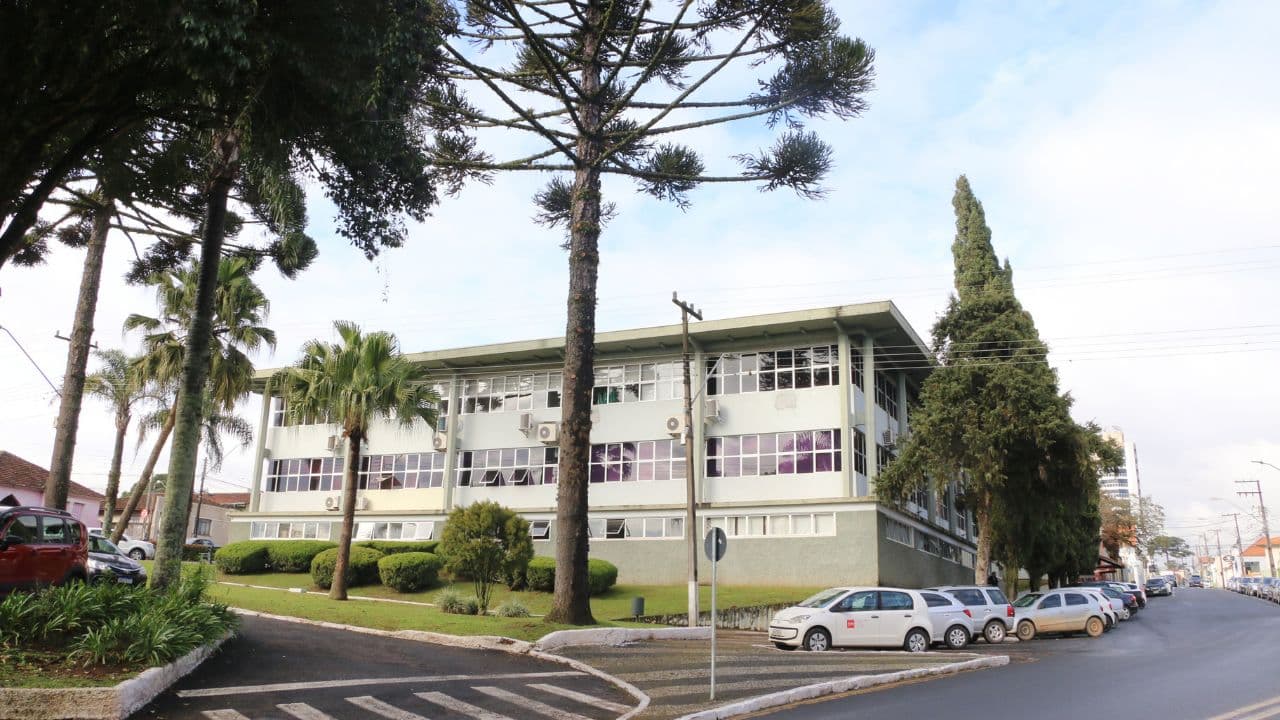
The City of Castro carried out a survey to evaluate how residents perceive the quality of municipal services. The survey allows to examine, in each sector, both the general evaluation of the area and that of specific services. The administration will use the results to define what issues need to be investigated by the secretariats, what actions should be reviewed and where resources need to be concentrated.
The Níkn Research Institute listened in person to 500 residents aged 16 to 75, between November 4 and 7. The reported margin of error is five percentage points, for more or less, with a confidence level of 95%. The percentages per service presented below correspond to the sum of the answers "great", "good" and "regular".
In health, 73% rated the service, in general, as great, good or regular. According to the same criterion, nursing teams attended 88%, doctors 83%, and health centers 81%. For the City Hall, the difference between the general evaluation of the network and that of specific services guides the analysis of access to services. Job vacancies and waiting times are data that can help identify where difficulties are.
In infrastructure, the sum of the three categories reached 89% for the conservation and cleaning of the streets, 88% for urbanism and infrastructure and 72% for the conservation of rural roads. According to the general coordinator of the Nikñ Institute, Candido Fialho, the paving appears among the interventions perceived by the residents and among the most requested improvements. For the municipal administration, the result reinforces the need to review maintenance priorities and identify the sections that need intervention.
In education, 92% rated the sector as great, good or regular. The structure of the schools and the Municipal Centers of Educação Infantil (Cmeis) recorded 86%, the work of the teachers, 85%, and the set of school materials, equipment and uniforms, 83%. The school lunch was 79%. The survey also assessed the administrative care. Of all the respondents, 10% said they had sought some service from the City Hall in the 30 days prior to the survey. Within this group, 81% rated employee service as great, good or regular.
According to the mayor Reinaldo Cardoso, the expansion of access to health and improvements in urban and rural roads are among the priorities indicated by the research. For the municipal secretary of Government, Ricardo Cardoso Filho, the evaluation by sector allows to review the actions in progress. The analysis of the results together with the records of attendance, maintenance and execution of the secretariats helps to scale the needs, estimate costs and define which interventions can be executed with the available resources.
The research is one of the management tools adopted by the municipality. "The modernization of public management requires continuous monitoring, reliable data and the ability to execute. The goal is to integrate planning, control and operational response within a technical framework,” says Secretary Ricardo Cardoso Filho. According to him, in all, eight pillars guide decision-making and the adoption of administrative measures: monitoring of revenues and expenses; control of transfers and payments; integrated planning among the secretariats; monitoring of performance indicators; strengthening of internal control; capturing external resources; digitization of processes; and transparency and traceability of information.
With information Advice
Read also: At the BnT, the mayor of São João do Triunfo details works, investments and rainfall situation