Chamber approves Lula's fiscal adjustment by 353 to 128
The Chamber of Deputies approved the main text of President Lula's fiscal adjustment bill by 353 votes to 128, with 5 abstentions. The discussion was marked by criticism from the opposition and some government supporters. Parliamentarians are still analyzing the highlights, which could alter the proposal.

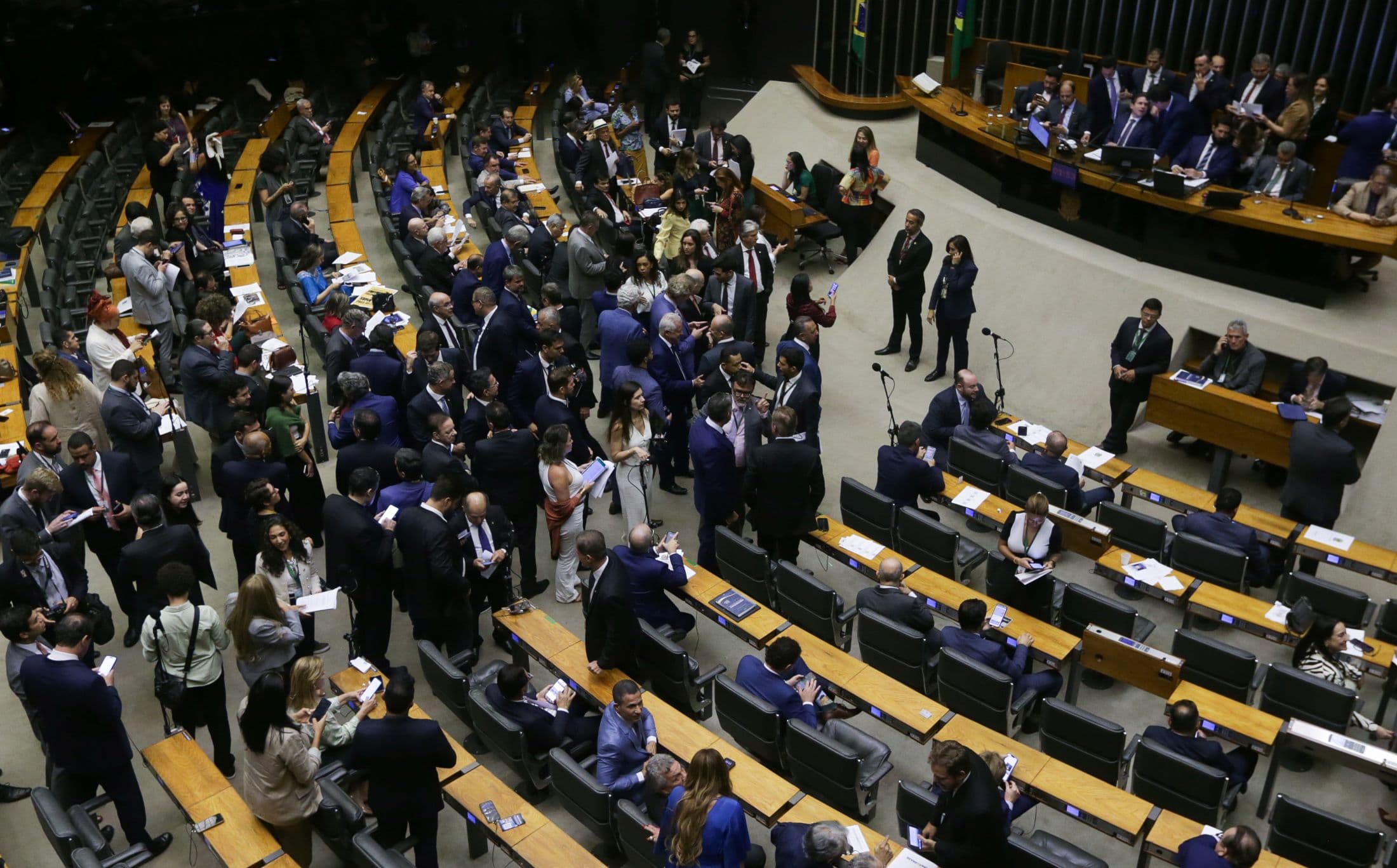
The Chamber of Deputies approved, on Tuesday, the basic text of the project of fiscal adjustment of the Lula government (PT) by 353 votes in favor, 128 against and 5 abstentions. The vote took place in session in the plenary of the House, in Brasilia, after intense negotiation between party leaders. The scoreboard reflects the support base of the government, but also exposes internal and opposition resistance.
Parliamentarians also analyze the highlights, which can change the proposal. These highlights are suggestions of change presented by parties or blocs and voted separately. The source did not detail which excerpts of the text are at risk of modification.
Final scoreboard of the vote
The result of 353 votes in favor, 128 against and 5 abstentions shows a comfortable margin for the Palácio do Planalto. To pass the basic text, at least 257 votes were needed, i.e. a simple majority of 513 deputies. The government surpassed this mark with a clearance, but the number of votes against indicates that the opposition has managed to mobilize its base.
The five abstentions, although numerically small, may represent MPs from allied parties who have preferred not to compromise. The source did not detail the nominal list of how each deputy voted, nor the distribution by party or state. Only the overall score was released.
Criticisms marked the discussion
The discussion on the measures was marked by criticism from the opposition and from the government. Opposition lawmakers have argued that fiscal adjustment can penalize social areas and reduce public investment. Some government officials expressed dissatisfaction with specific points of the text, such as the possibility of limiting parliamentary amendments.
The atmosphere in the plenary was tense at times, with exchanges of accusations between deputies. The source did not detail the exact content of the criticisms or the names of the parliamentarians who spoke. The highlights are expected to reignite the debate in the coming days.
Next steps in the Chamber
With the approval of the base text, the next step is the analysis of the highlights. These devices can delete, add, or modify snippets of the project. Each highlight is voted individually, and the result may change the scope of the tax measures.
After the conclusion of the vote in the House, the text will go to the Federal Senate, where it will undergo new processing. The source did not inform deadlines for the analysis of the highlights or for the vote in the Senate.
Impact for the taxpayer
The fiscal adjustment proposed by the Lula government seeks to balance the public accounts and guarantee the fulfillment of the fiscal goals. The measures may include increased collection and containment of expenses, which directly affects the citizen’s pocket. However, the source did not detail the specific content of the approved project.
Experts heard by the report warn that the adjustment may result in a higher tax burden or cuts in public services. The population must follow the process to understand how the changes can impact their routine.
Political repercussion
The approval of the base text represents a victory for the Lula government, which has managed to approve a relevant economic agenda amid a polarization scenario. The scoreboard, however, shows that the Allied base is not fully cohesive, which can lead to difficulties in future voting.
For the opposition, the result signals that there is room for obstruction and negotiation. The source did not detail how the parties intend to position themselves in the highlights, but the trend is of new attempts to change the text.
Regional context
Although the vote took place in Brasilia, the effects of the tax adjustment will be felt nationwide, including Ponta Grossa and Campos Gerais. Paraná municipalities depend on federal transfers to areas such as health, education and infrastructure. Changes in tax rules can affect these transfers.
The Paraná bench in the House participated in the vote, but the source did not detail how each deputy of the state voted. The Boca no Trombone Portal will continue to follow the process and will bring updates as soon as the data is disclosed.
What's next
The analysis of the highlights should take place in the next sessions of the Chamber. The government is working to overturn the proposed amendments and maintain the approved text. Then the project goes to the Senate, where the allied base will also need articulation.
For the reader, it is important to follow the unfolding of the vote, because the decisions taken in Brasilia will have a direct impact on the economy and on public services. The Boca no Trombone Portal will continue to cover the topic with impartiality and depth.
Read Also
PG Chamber approves project to combat vicaricide
House approves requirement of criminal record for professionals working with children
City Council approves Stocco's project against violence against women at concerts
Font
www.gazetadopovo.com