Collective Transport of Socavão is Temporarily Suspended in Castro
Collective Transport of Socavão is Suspended in Castro After Damage on the Road. Emergency Works are Taking Place in the Lageado Region

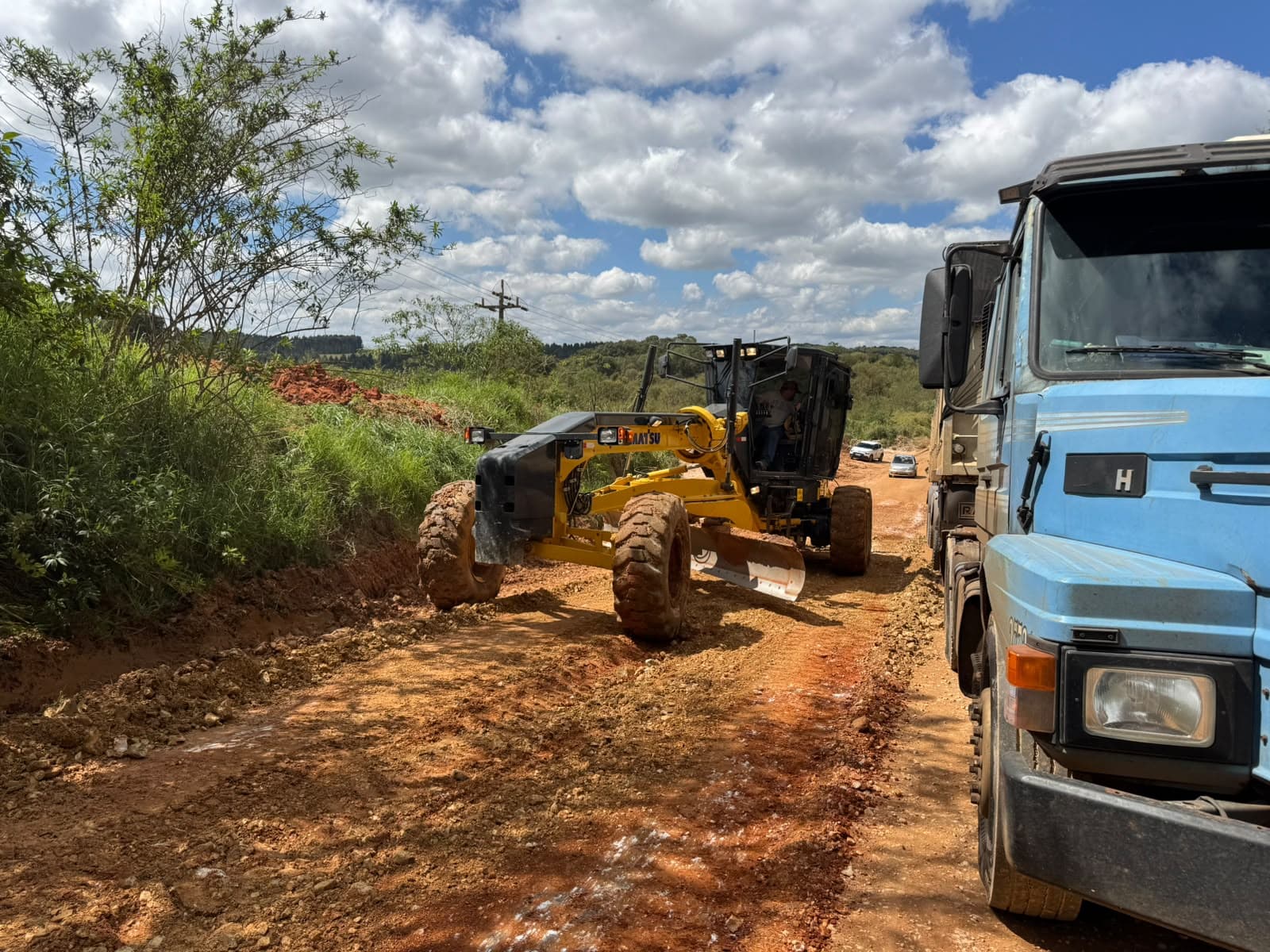
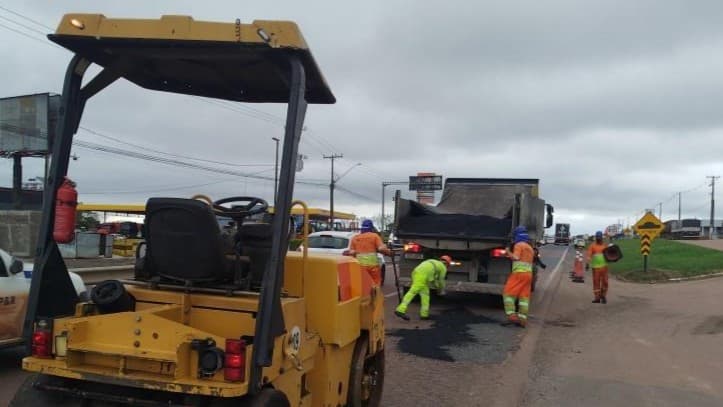
Socavão’s public transportation to the Castro urban area is temporarily suspended due to the conditions of the Socavão Road, especially in the Lageado region, where teams are carrying out emergency works after the damage caused by heavy rains in recent days.
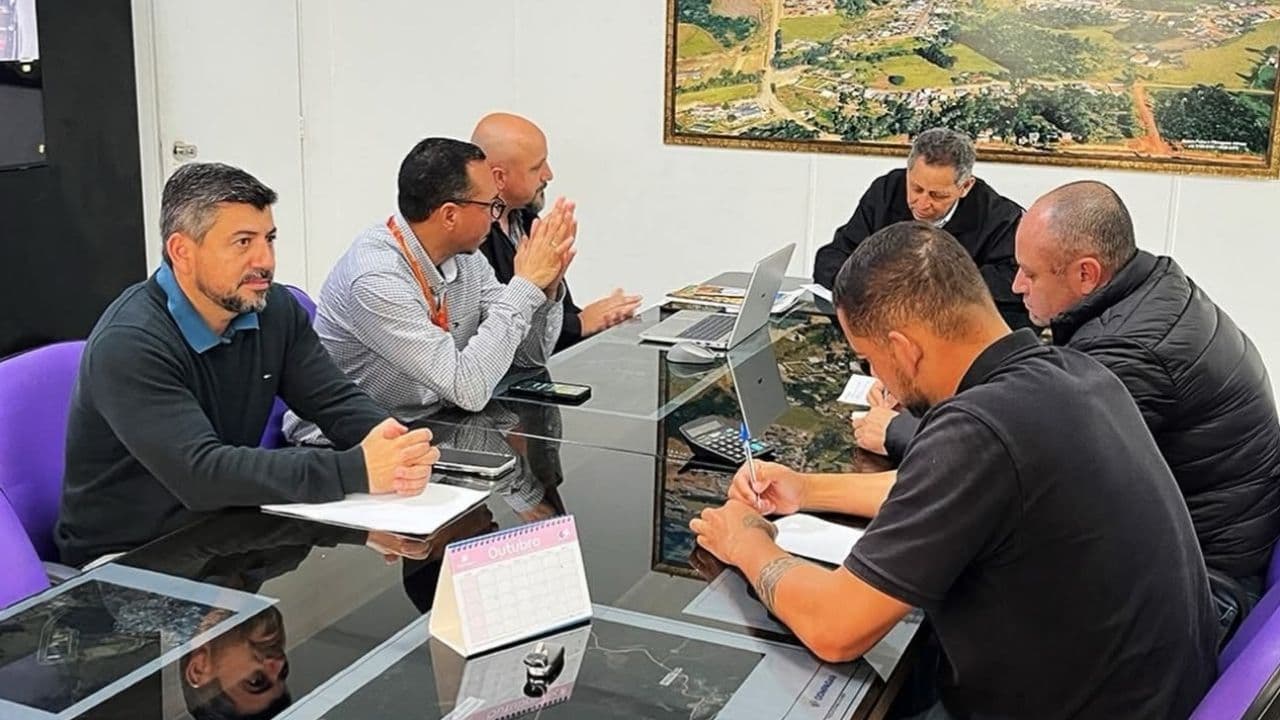
According to an updated report from Defesa Civil Municipal on Thursday, the teams continue to work on the recovery of rural roads, the reconstruction of bridges, the removal of barriers and the gradual normalization of public services affected by the storms.
Socavão Road passes through works
The Socavão Road faces temporary blockades in the Lageado region. Examinations carried out by the Municipal Secretariat of Interior Infrastructure and Logistics identified problems of deep infiltration of water below the pavement, compromising the bed of the runway and causing sinking points.
To recover the road and ensure safer traffic conditions, City Hall teams carry out interventions that include the deployment of a deep drainage system.
Due to the interruptions necessary for the execution of the works, queues can be recorded throughout the day. Drivers and rural producers must redouble their attention. An alternative indicated for those who need to avoid the stretch is the Estrada do Cunhaporanga.
Socavão’s collective transport is suspended
Road conditions also directly affected passenger transport.
Bus lines departing from the village of Socavão to the urban area of Castro are temporarily suspended. According to Defesa Civil, the measure seeks to preserve the safety of passengers and prevent heavy vehicles from getting stuck in compromised sections.
The service should be resumed gradually as the works progress and the roads recover.
The buses that depart from the inland towns to the village of Socavão continue to circulate normally.
River Iapó retreats to 6.66 meters
In the urban area of Castro, the scenario shows gradual improvement. On Thursday (17), the Japo River reached 6.66 meters.
By Sunday, during the most critical period of the flood, the reported level had reached 7.23 meters. In this way, the recorded retreat until this fifth is approximately 57 centimeters.
According to the City Hall, there are no residents currently being treated in municipal public shelters. Some families who have left their homes remain temporarily in the residence of relatives while awaiting better conditions of access and the cleaning of the properties.
The Defesa Civil keeps alert to the possibility of new weather instabilities in the coming days.
Classes are resumed in Castro
The Municipal Secretariat of Education reported that classrooms and school transport routes were resumed in virtually the entire municipal network.
The exception is the Municipal School of Campo Tereza Casagrande Sguário, in the Paina region. The face-to-face activities remain temporarily suspended due to the conditions of the access roads.
The families of the students are being communicated directly by the management of the unit.
Health keeps changes inside
The municipal health network also continues to operate with some changes. The UBS Guararema team remains temporarily servicing on UBS Bom Jesus.
The units of Tronco, Socavão, Abapã and Castrolanda concentrate the services in the main offices of the respective localities. The services on the UBS satellites should be resumed as the roads are recovered.
Doubts can be clarified by calling (42) 2122-5216.
Rural roads receive task force
The municipal teams continue to work in several points of the interior of Castro.
The access to the school and the headquarters of the Guararema community was released after the retreat of the water on the main bridge. There was also a re-establishment of the passage in the Orphans, Subida da Barriguinha, Passo do Chapéu and Grams.
Machines remain operating in the region of Socavão, Campina de Baixo and in the stretch between Água Vermelha, Invernada and Arrieiros.
In Quebrada Funda, teams work to obtain the materials needed to rebuild a damaged bridge, a situation that affects approximately five families.
There are also graveling, recovery and containment interventions in Palmital, Ribeirão Balsa, Tanque Grande, Ferreiras, Lagoa dos Ribas, Pinheiro Seco, Pinhal Grande, Butiazal, Paina and Vargedo.
The task force prioritizes communities with restricted access, transportation of feed for animals, circulation of essential services and stabilization of areas considered vulnerable.
In emergency situations, residents can contact the Municipal Guard by 153 or the Fire Department by 193. The Crisis Center also maintains face-to-face care in the Municipal Palace, in Pedro Kaled Square, 22.