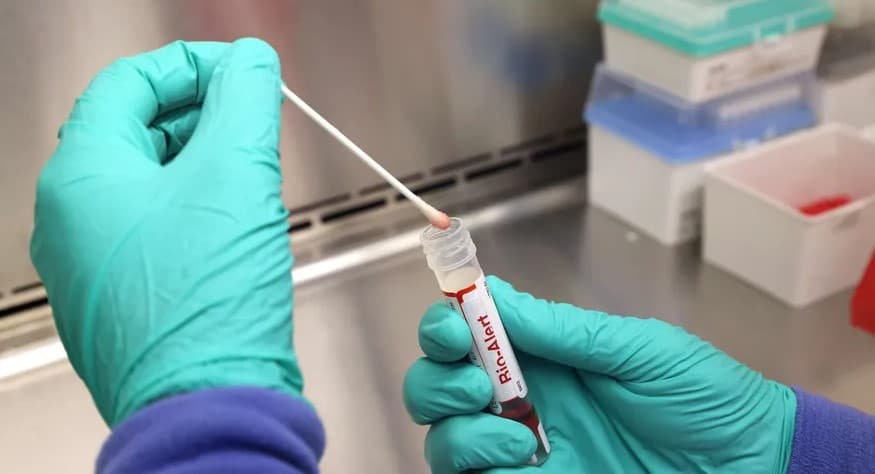
Covid-19: at least 5 states report increase in severe cases
Roraima, Sergipe and Santa Catarina are on alert for SRAG

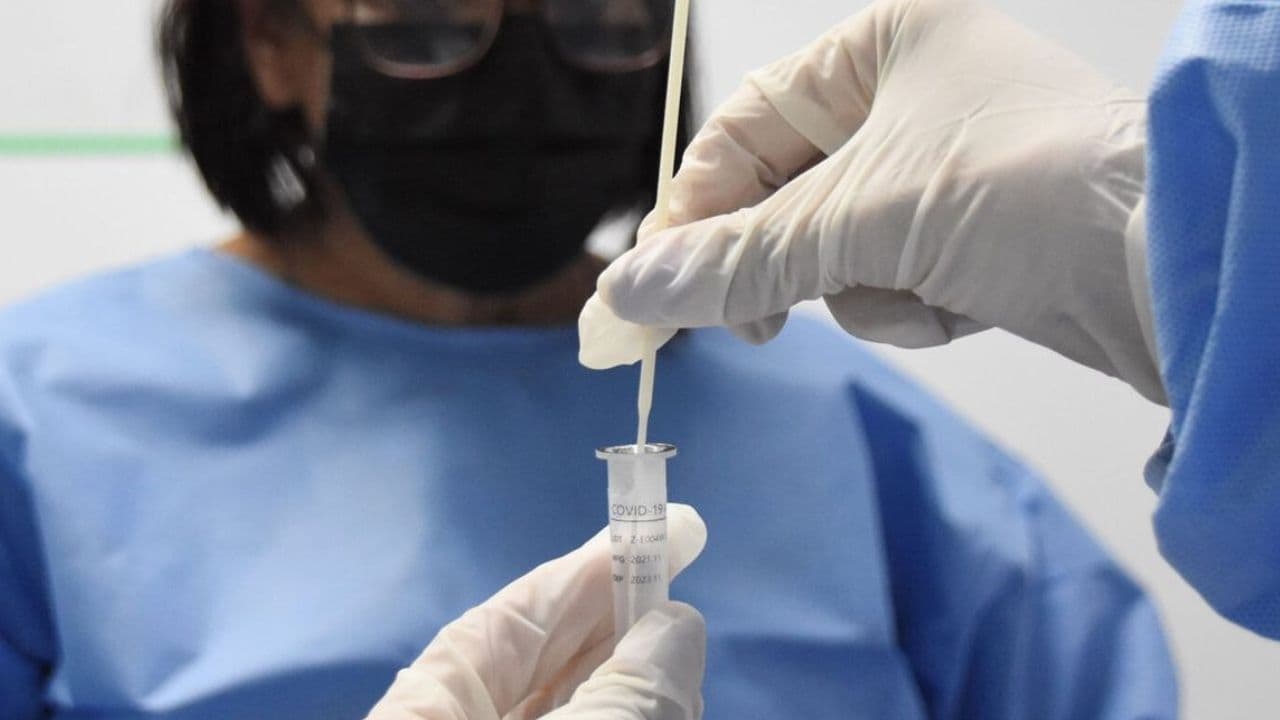
The number of cases of Síndrome Respiratória Aguda Grave (SRAG) in Brazil increased over the months of September and October, including cases caused by severe conditions of Covid-19 infection. The data is from the Oswaldo Cruz Foundation (Fiocruz).
According to the latest InfoGripe Bulletin, there are signs of an increase in the number of severe cases of COVID-19 in at least five units of the Federation: Mato Grosso, Distrito Federal, São Paulo, Rio de Janeiro and Santa Catarina.
“However, in these last four units of the Federation, the incidence of SARS due to COVID-19 remains at very low levels,” the document said.
Three states, however, have an incidence of SARS at alert levels, risk or high risk, but no sign of growth in the long-term trend: Roraima, Sergipe and Santa Catarina.
Fiocruz also notes that two of the 27 capitals register the level of SARS activity in alert, risk or high risk, with a sign of growth in the long-term trend: Aracaju and João Pessoa.
Epidemiological data
In the last four epidemiological weeks, among the positive cases of SARS, the proportion of positive results for each virus was 4.2% for influenza A; 4.7% for influenza B; 10.1% for vírus sincicial respiratório; 50.1% for rhinovirus; and 8.5% for covid-19.
Among the deaths, the presence of these same viruses among the positive cases, in the same time cut, was 1.3% for influenza A; 12.7% for influenza B; 3.8% for vírus sincicial respiratório; 43% for rhinovirus; and 24.1% for covid-19.
During 2026, 171,369 cases of SARS were reported, of which 91,420 (53.3%) had a positive laboratory result for some respiratory virus, 62,823 (36.7%) had a negative result and at least 7,457 (4.4%) awaited a laboratory result.
Incidence and mortality
The InfoGripe shows that the average weekly incidence and mortality, in the last eight epidemiological weeks, maintain the typical scenario of greater impact in the extremes of the age groups analyzed.
While the incidence of SARS has a higher impact in children up to 2 years of age, in relation to mortality, the opposite occurs: the population aged 65 years or more appears to be the most impacted.