Dog with no appetite: what it could be and how to act
Food refusal in dogs can have simple causes, such as a change in routine, or signal health problems. Observing symptoms and seeking veterinary guidance are essential steps.

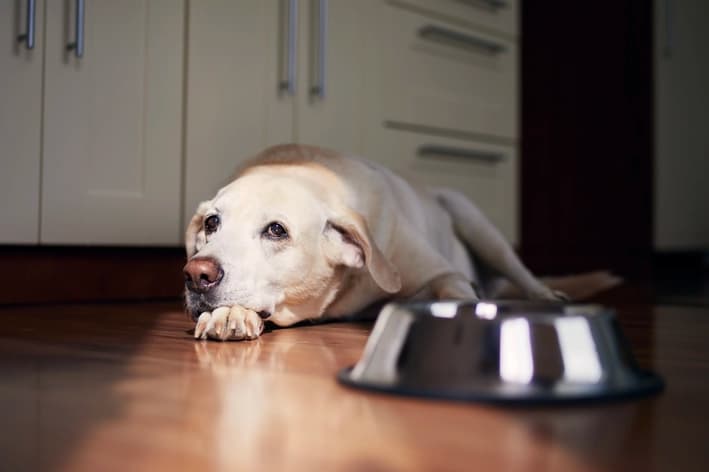
When a dog stops eating, the caregiver’s concern is immediate. Loss of appetite can arise from simple factors such as stress or feeding change, but it can also be one of the first signs of health problems such as infections, gastrointestinal diseases or hormonal changes. Given this, the guidance of a veterinarian is essential to identify the cause and define the appropriate treatment.
What can cause a lack of appetite
The dog may not want to eat due to changes in diet or routine, stress, pain or nausea. In addition, loss of appetite can also be one of the first signs of health problems in dogs, such as infections, gastrointestinal diseases or hormonal changes. Even when there is an apparent explanation, such as feed exchange, it is important to observe how long the pet is eating less, whether it continues to drink water and if it presents other symptoms.
These details help the veterinarian understand the severity of the picture. Therefore, careful observation of the tutor is the first step to an accurate diagnosis.
https://www.youtube.com/watch?v=hPmgCf_BMsk
Video: YouTube | Source: blog.cobasi.com.br
When to seek a veterinarian
When a dog loses his appetite, the first attitude of the tutor should be to seek the guidance of a veterinarian. The professional will be able to assess if there is any health condition involved and indicate the necessary care. If the refusal is accompanied by weight loss, vomiting, diarrhea or a change in behavior, seek care promptly.
Don't wait for the picture to get worse. Early assessment can make a difference in the treatment and recovery of the animal.
What to look for before the consultation
To help the veterinarian, the tutor must gather information about the behavior of the dog. Write down when was the last usual meal, how much the dog has eaten since then and refuses all food or just feed. Also check if you continue to drink water and if your consumption has increased or decreased.
Other important points: if you have vomiting, diarrhea, weakness, weight loss or changes in behavior, noting when they started and how often they appear; if you try to pick up food, drop the grains or give up when you chew or swallow; what medications you use, when you started treatment and if you have any diagnosed disease; and if you may have swallowed trash, plants, other cleaning products, pieces of toy
If possible, take photos or videos of the signals observed, without delaying the attendance to make the records. This information is valuable for diagnosis.
What not to do
Before offering a different food to encourage the dog to eat, talk to the veterinarian. The choice depends on the cause of the lack of appetite and should consider the age, health conditions and dietary restrictions of the pet. Avoid replacing meals with snacks or leftover food. In addition to unbalanced feeding, this practice can cause the dog to refuse feed while waiting for other foods.
Do not force the dog to eat or offer food with syringe without veterinary guidance. Food can enter the airways, especially if the animal resists or cannot swallow. These attitudes can aggravate the problem and put the pet’s health at risk.
Safe strategies to stimulate appetite
With veterinary guidance, mixing a bit of dog-own wet food with dry feed can make the meal more attractive. The choice and quantity should respect the needs of the pet, especially if there is a prescribed diet or dietary restrictions. Another possibility is to lightly muffle the moist food to enhance the aroma. Mix well and check the temperature before serving, avoiding hot parts that could burn the dog's mouth.
If the dog continues to refuse food, tell the veterinarian instead of testing several options on your own. Check the validity and storage conditions of the feed. If there is a change in smell, moisture, mold or signs of contamination, do not offer the food.
The lack of appetite in dogs is a sign that deserves attention. With careful observation and professional guidance, it is possible to identify the cause and help the pet return to eating well. For more tips on animal saúde e bem-estar, continue to follow the Boca no Trombone portal.
Font
blog.cobasi.com.br