Especialists see similarities between PT and Venezuelan regime
The re-election of Lula has reignited the debate on parallels with Venezuela. Experts cite economic populism, relationship with the Judiciary and hardening against opponents. The Portal Boca no Trombone brings the main points of the analysis.

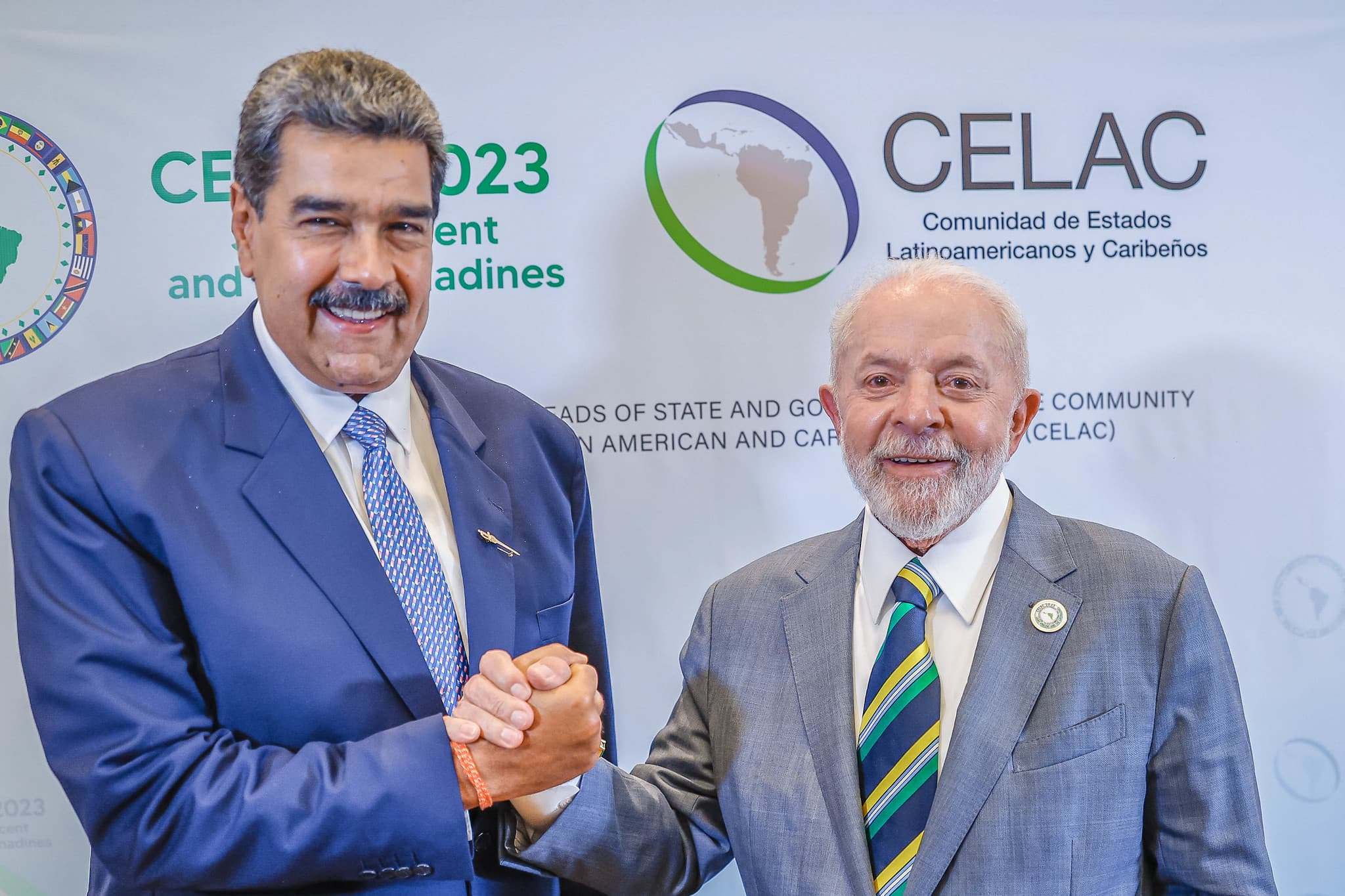
The re-election of President Lula for a fourth term in November 2026 reignites debates about the political and economic direction of Brazil. International experts and observers identify points of convergence with the trajectory of Venezuela under Hugo Chávez and Nicolás Maduro, highlighting especially economic populism, the influence on the judiciary and the treatment given to the opposition.
The comparisons, although rejected by the government, gained strength in academic analysis and in the international press. The Boca no Trombone Portal gathered the main arguments put forward by these analysts, based on public data and recent decisions.
Economic populism and income transfer
Both governments have used income transfer programs as a basis for political support. In Venezuela, the Misiones helped reduce poverty initially, but dependence on oil and increased spending financed by currency printing generated hyperinflation.
In Brazil, Bolsa Família is a social reference, but the country faces a progressive fiscal deterioration that began in Lula’s second term and aggravated in Dilma’s management. Currently, the Brazilian dívida pública is on track to exceed 83% of GDP, generating high interest rates and limiting long-term economic growth.
Experts warn that without fiscal adjustment, Brazil can repeat the Venezuelan cycle of inflation and loss of credibility. The source did not detail inflation projections for the coming years.
Judiciary under political influence
In Venezuela, the control was direct: Chávez increased the number of judges in the Supreme Court to ensure an allied majority, eliminating the independence of the Court. In Brazil, the Supremo Tribunal Federal (STF) maintains formal independence, but critics point to a growing politicization and ideological alignment with the petista government.
Episodes such as the annulment of Lava Jato convictions and judicial decisions during the 2026 electoral process, which favored Lula’s re-election, are seen by experts as signs of an informal alliance that reduces control over the executive’s acts. The source did not specify which specific decisions were cited.
Treatment of opposition and freedom of expression
The Chavista regime institutionalized the repression with hundreds of political prisoners and the impediment of opposition candidacies. In Brazil, the judicial hardening process gained momentum after January 8, 2023, resulting in more than 1,400 arrests and severe sentences, including for the previous government’s summit.
In addition, investigations against fake news gave the judiciary broad powers to suspend profiles and block bank accounts of citizens and politicians on charges of institutional threat, a method that the Brazilian opposition classifies as a curtailment of freedom of expression. Experts differ on the severity of this comparison, but agree that the political environment has become more polarized.
What critics and the government say
Critics of the petist government see in judicial measures and economic policy a similar path to Chavismo. Supporters argue that Brazilian institutions are more solid and that comparisons are exaggerated. The source did not detail official responses from the Plateau or STF.
For the reader of Ponta Grossa and Campos Gerais, the debate directly impacts the local economy, which relies on low interest rates and fiscal stability to attract investments. The region, the agro-industrial hub of Paraná, feels the effects of the rise of dívida pública on the cost of credit and inflation of inputs.
The Boca no Trombone Portal will continue to follow the analysis on the subject and will bring updates as new data are released. In the meantime, we invite the reader to explore other subjects on national politics and economy on our website.
Read Also
Opposition criticizes Lula for 40 ministries on the Esplanade
Dark Horse actor accuses Lula of shutting down film in Brazil
Lula grows in all income brackets, with highest rise in the lower middle class
Font
www.gazetadopovo.com