Fachin rejects interference in Lula's selection for STF
The Supreme Federal Court minister Edson Fachin rejected any interference in the selection of President Lula for the next vacancy in the Court. In his statement, he emphasized that the nomination is the prerogative of the Executive chief and that it is up to the Senate to verify requirements such as legal knowledge and an unblemished reputation. Behind the scenes, the possibility of a woman's nomination is growing.

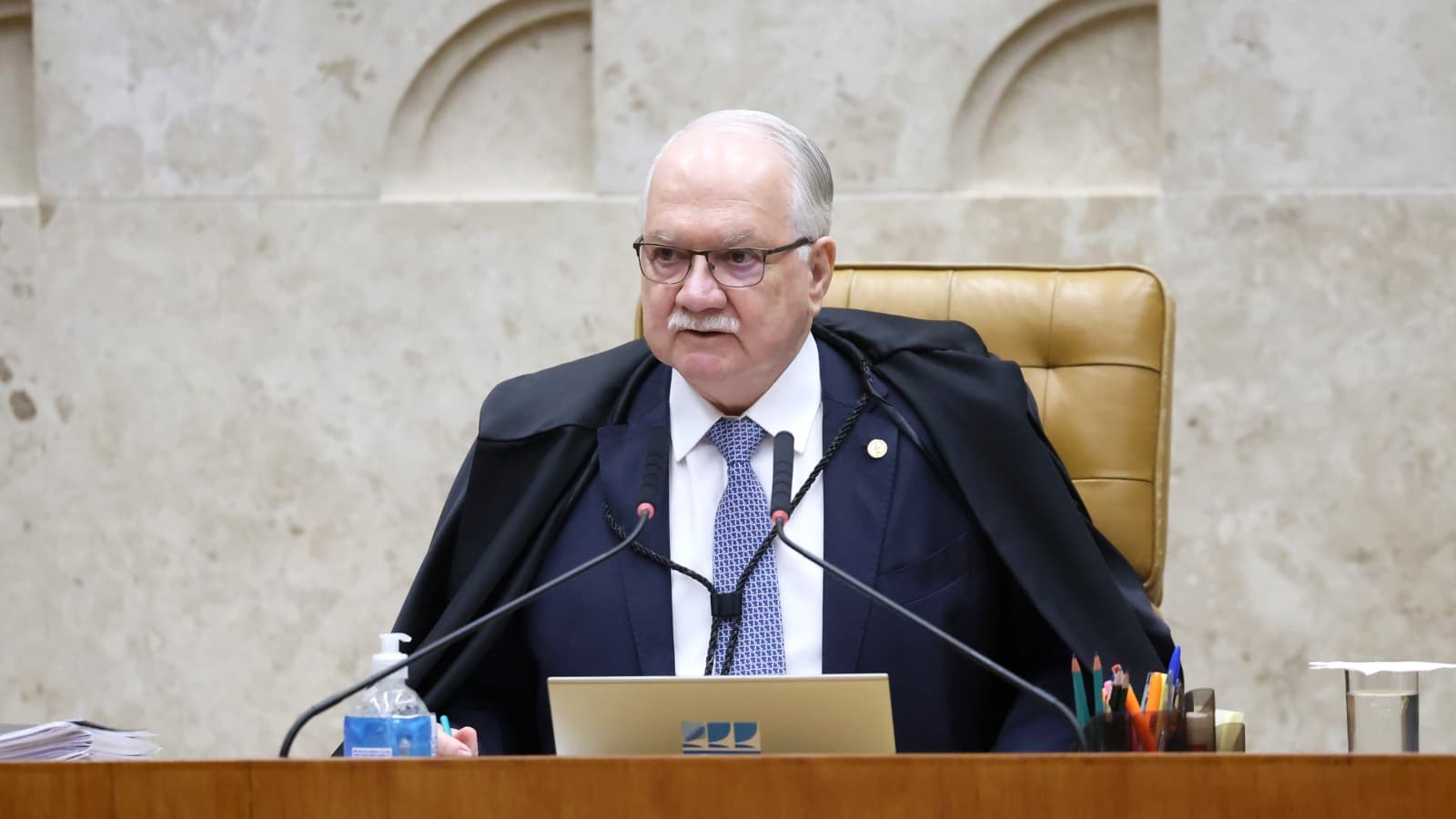
Minister Edson Fachin, of Supremo Tribunal Federal (STF), this week rejected any interference in the choice of President Luiz Inácio Lula da Silva for the next seat in the Court. In an official demonstration, Fachin stressed that the nomination is the exclusive prerogative of the head of the Executive, and the Federal Senate is only responsible for verifying the constitutional requirements of the nominee.
The minister’s position emerges amid the intense political dispute between the government and Congress over the definition of the new member of the court. The vacancy in question is the first of four that Lula may fill until the end of his term, due to future retirements of ministers.
Fachin delimits Senate role
In Fachin’s assessment, the action of senators should be restricted to the Sabbath and to the analysis of two central criteria: legal knowledge and the candidate’s free reputation. “In the same vein, I understand that it is up to the Federal Senate to appreciate the presidential nomination, assessing, through a sabbatical, the fulfillment of constitutional requirements, notably legal knowledge and the illegitimate reputation, to deliberate on the approval of the name indicated,” he said.
The minister’s speech is interpreted as a direct message to parliamentarians who try to influence the presidential election or condition approval on political criteria. Fachin did not cite names, but the context indicates an attempt to preserve the independence of the nomination process.
Woman gains strength in dispute
In the face of the lack of consensus, the possibility of nominating a woman to the Supreme Court gained strength in political articulations. The women’s alternative would also meet an old demand from civil society sectors and could find less resistance among senators, amid the dispute between the government and Congress over the choice of the new member of the Court.
Currently, the STF has only one woman among its eleven ministers, Minister Cármen Lúcia. The pressure for greater gender representation in the Court is old and has returned to the center of the debate with the retirement of Minister Ricardo Lewandowski, in April 2023.
Presidential Prerogative and upcoming vacancies
The definition of the vacancy is a prerogative of Lula, but the appointment depends on the approval of the Senate. The president will also have three other opportunities to nominate ministers to STF during the current term, due to the future retirements of members of the court.
In addition to the vacancy opened by Lewandowski, Ministers Rosa Weber, Luís Roberto Barroso and Dias Toffoli are expected to retire by 2026, opening room for new nominations. The expectation is that Lula chooses names aligned with his government, but without disregarding the need for approval in the Senate.
Political context and reaction of Congress
The dispute over the vacancy in STF reflects the tension between Executive and Legislative. Opposition MPs and even the Allied base have been pushing for names of their preference, while the government defends autonomy in the choice.
Fachin, by delimiting the role of the Senate, seeks to prevent the Sabbath from becoming a stage for political bargaining. The source did not detail whether the minister was referring to any specific case, but the demonstration comes at a time of high institutional sensitivity.
What to expect from the indication
Lula has not yet publicly defined the name for the vacancy. Behind the scenes, there is speculation about lawyers, magistrates and magistrates, but the Palácio do Planalto remains silent. The nomination of a woman is seen as strategic to reduce friction in the Senate and meet social demands.
The Sabbath process is expected to take place later this semester, and approval requires a simple majority in the Senate plenary. If the chosen one is approved, it will take over immediately and will become part of the composition of the STF.
The definition of the new minister is awaited with expectation by different sectors, as it can influence important decisions on the agenda in the Court, such as economic, social and fundamental rights issues. The Boca no Trombone Portal will continue to follow the unfolding of this choice.
Read also
Michelle Bolsonaro Decides Right in the Senate
PL evaluates own candidacy against Hugo Motta in 2027
BRB crisis with courts: delays and contracts at risk
Font
www.gazetadopovo.com