General Director of the PF Leaves ADPF After 24 Years
Federal Police Director Andrei Rodrigues Requested Withdrawal from the National Association of Federal Police Delegates (ADPF) on the Last Thursday (5). The decision comes amid tensions with the organization, which, according to sources, has come to be dominated by a group with political interests linked to bolsonarism.

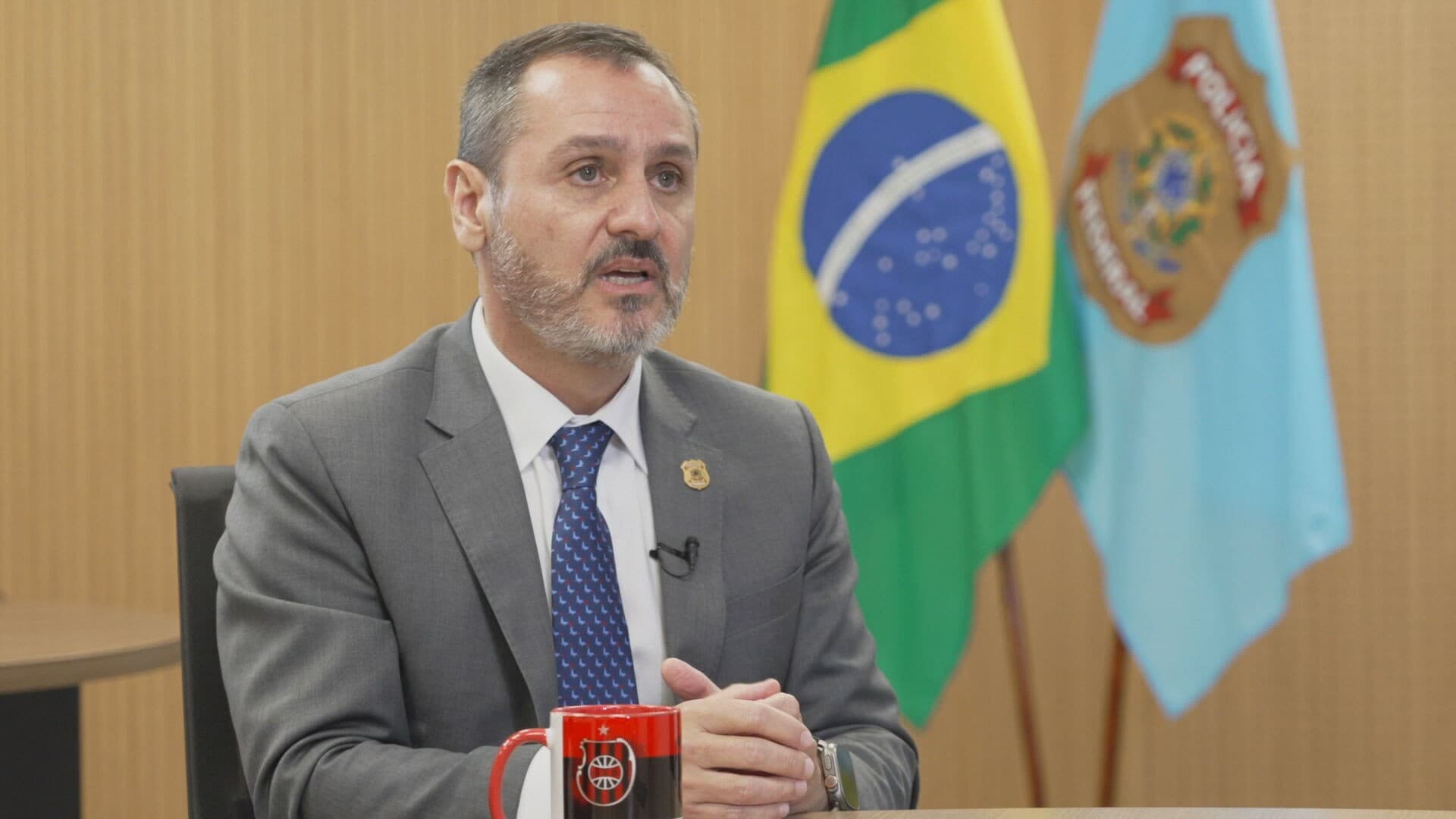
The Director-General of the Federal Police (PF), Andrei Rodrigues, requested, last Thursday (5), his disaffiliation from the National Association of Federal Police Delegates (ADPF), main entity that deals with the defense of interests and members of the category. The breakup occurs after 24 years of bonding and exposes a crack between the command of the PF and the representative entity of the delegates.
The decision is motivated by divergences on the institutional role and the political performance of the association. Behind the scenes, allies of the Director-General point to a series of episodes that led to wear and tear.
Wear with political interest groups
The decision comes amid a strain with the ADPF, which, in the words of interlocutors of the Director General, has come to be "dominated by a group that acts in defense of political interests linked to bolsonarism." This assessment reflects dissatisfaction with the entity’s stance on sensitive issues for the corporation.
Members of the board of the entity are meeting in the afternoon of Tuesday (10) to define how they will deal with the matter — if they respond publicly to the decision of Andrei with a note, for example. However, there was no definition until the publication of this post.
Episodes That Motivated the Breakup
Among the reasons pointed out by allies of Andrei is the refusal of the association to defend the remuneration interests of 27 superintendents and directors of the PF, in a discussion about the extension of a decision of the Court of Auditors of the Union (TCU) to the corporation. The entity would have omitted itself from this agenda, which generated frustration in the command of the PF.
Another focus of friction was the association’s attempt to hold the director of the National Police Academy accountable for the adoption of a standardized T-shirt for all positions in the institution. The entity advocated an exclusive delegates’ t-shirt, which was seen as a corporatist and anti-integration stance between careers.
Political component and omission in attacks
Wear also has a political component. In the assessment of allies of Andrei heard by the blog, the association omitted in the face of attacks suffered by the Federal Police in recent months, especially those promoted by right-wing parliamentarians. The lack of public position in defense of the institution would have deepened the dissatisfaction.
The ADPF also did not express itself, these interlocutors follow, in defense of the Director-General when he was removed from his duties by decision of the Minister of Supremo Tribunal Federal (STF) André Mendonça, although, at the time, he was still a member of the board of associates. This silence was interpreted as a sign of political alignment of the entity.
What to expect from now on
The disaffiliation of Andrei Rodrigues could set a precedent for other delegates who share the same institutional vision. The ADPF, for its part, has not yet defined an official response, but the meeting on Tuesday should lead to the next steps.
The episode highlights the internal tensions in the Federal Police and the debate on the role of class entities in a context of political polarization. The continuity of this rift can influence the relationship between the PF summit and the delegate base throughout the country.
Read Also
Vorcaro's Defense Asks Gilmar to Decide on Arrest
STJ creates security systems after suspected leak
Deltan Dallagnol may lose Senate seat; PT pushes TSE
Font
g1.globo.com