How the Union's debt purchase will work
New phase of the program foresees discounts of up to 90% on debts

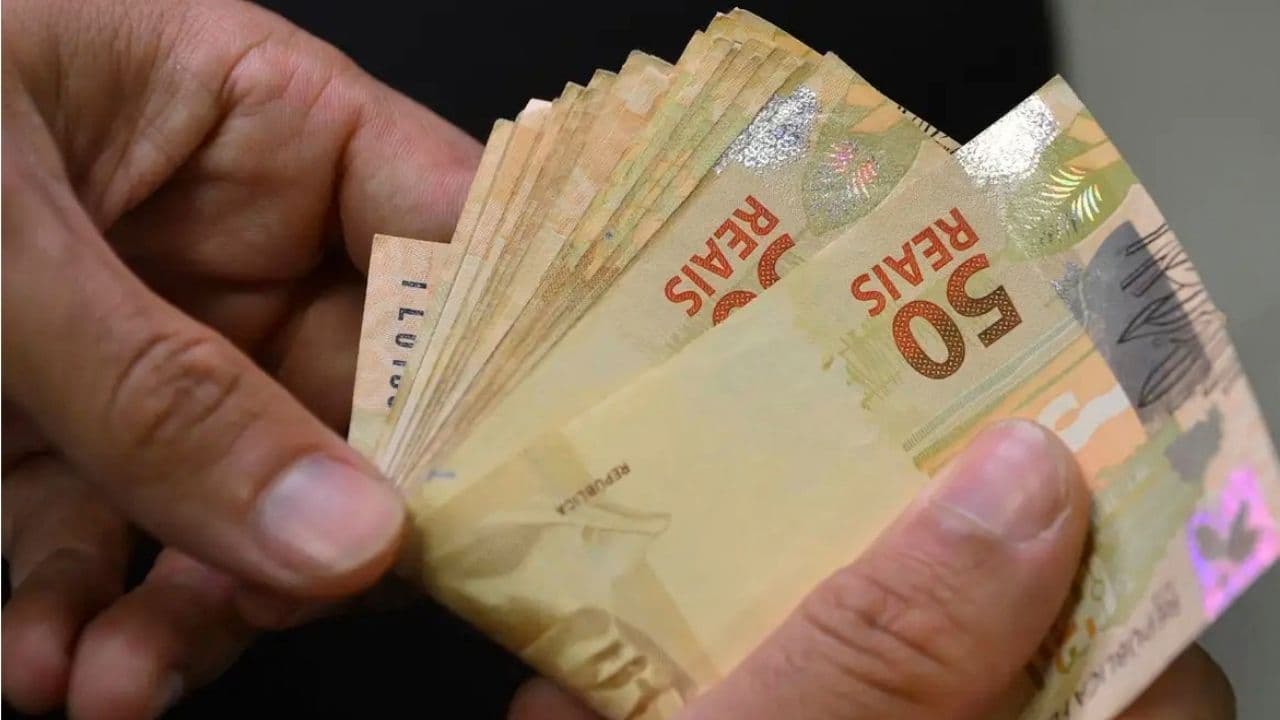
Created on Friday (25) by medida provisória, the third phase of the debt renegotiation program of natural persons, called Desenrolla 3.0, brings important change in relation to the previous stages.
The Union may purchase from auctions portfolios of unpaid debts and pass on the full discount obtained in the transaction to the debtor. In previous phases, debts were negotiated directly between creditors and debtors.
The government expects up to R$ 150 billion in debt to be eligible for the program, with the potential to benefit up to 15 million people.
How will it work?
The new phase will be directed to bank and non-bank debts of up to R$ 10 thousand, considering the original amount of the debt.
To participate in the transaction, the debts must be in delay from 720 days to 1,645 days, counted from September 25, 2026.
In practice, the process will be divided into steps:
1. The Union will conduct auctions to purchase the debt portfolios.
2. The creditors will submit discount proposals.
3. Proposals will be classified by the greatest discomfort offered.
4. The discount obtained by the Union shall be passed on in full to the debtor.
5. The consumer may withdraw the balance at sight or install it.
6. In the case of installment, the conditions will still be defined by the Conselho Monetário Nacional (CMN).
Who can participate?
The MP establishes as main criteria:
• Debts of up to R$ 10 thousand, for the original amount;
• Default for more than 720 days;
• Default of less than 1,645 days;
• Bank and non-bank debts.
The Ministry of the Treasury may establish additional criteria for income and priority of debtors.
The auctions may take place in lots and separate the debts according to their nature, between banking and non-banking.
How much is the discount?
The minimum allowance required in the auctions will be 90%, with the discount obtained on the purchase being fully transferred to the debtor.
Thus, if an eligible debt of R$ 10 thousand is acquired by the Union with the minimum discount provided, the amount considered for the renegotiation will be R$ 1 thousand.
The consumer may:
• pay the balance at once, maintaining the discount;
• or installment of the remaining amount, plus interest, according to the rules that will still be established by the CMN.
How much will be invested?
The government estimates that up to R$ 150 billion in debt may be eligible for purchase.
The forecast considers only a portion of the stock of R$ 592 billion in unpaid debts registered in the credit bureaus in August 2026.
The government estimates:
• up to R$ 75 billion in debts effectively renegotiated;
• up to 15 million people benefited;
• maximum cost of R$ 15 billion for the acquisition of the portfolios by the Union.
The resources should be provided in the Lei Orçamentária Anual Projects (PLOAs) of 2027 and 2028.
When does it start?
The implementation of the program will follow the schedule provided in the MP:
• September 2026: publication of medida provisória;
• November 2026: publication of the call for proposals;
• December 2026: lenders submit proposals;
• January 2027: approval of the selected proposals;
• February 2027: signing of contracts and beginning of the transfer of discounts to debtors.
From February 2027, it is foreseen to begin the discharge by sight or the installment of the values by consumers.
Size of the default
Data from the National Treasury cited by the government show the scale of the problem.
In August 2026, there were R$ 592 billion in unpaid debts registered in the credit bureaus, considering debts with up to five years of delay.
The survey also points out:
• 83.9 million negative people;
• average of four debts per person;
• average value of R$ 7 thousand per person;
• average of R$ 1.7 thousand per debt;
• 56% of the negatives were women;
• about 55% of the stock corresponded to non-bank debts.
Non-bank debts include debts to water, energy, telephony and retail companies.
What's changed?
In the first two phases of the program, renegotiation depended on negotiation between consumers and creditors.
In the third stage, the logic changes: the government begins to act directly in the purchase of debt portfolios.
The discount obtained in the auctions will be transferred to the consumer, who can choose between paying off the balance at once or installing the remaining amount.
Previous Stages
In the first two phases, Desenrola reached about 25 million people.
The first phase was focused on negative bank and non-bank debts since 2019:
• More than 8 million renegotiation operations;
• R$ 53 billion in renegotiated debts;
• 15 million people and families served.
The second phase was aimed at bank debts with defaults of 90 days to two years:
• More than 5.5 million operations;
• R$ 22 billion in renegotiated debts;
• 10 million people and families served.
Lula signs MP with ban on bets in Brazil; see deadline to withdraw values