Ibovespa drops 16% and triggers circuit breaker after election
The Ibovespa plummeted 16.26% and triggered the circuit breaker on Monday (26), the first trading session after Lula's victory. The B3 suspended trading for 30 minutes. The dollar surged 12.52%, trading at R$ 5.605.


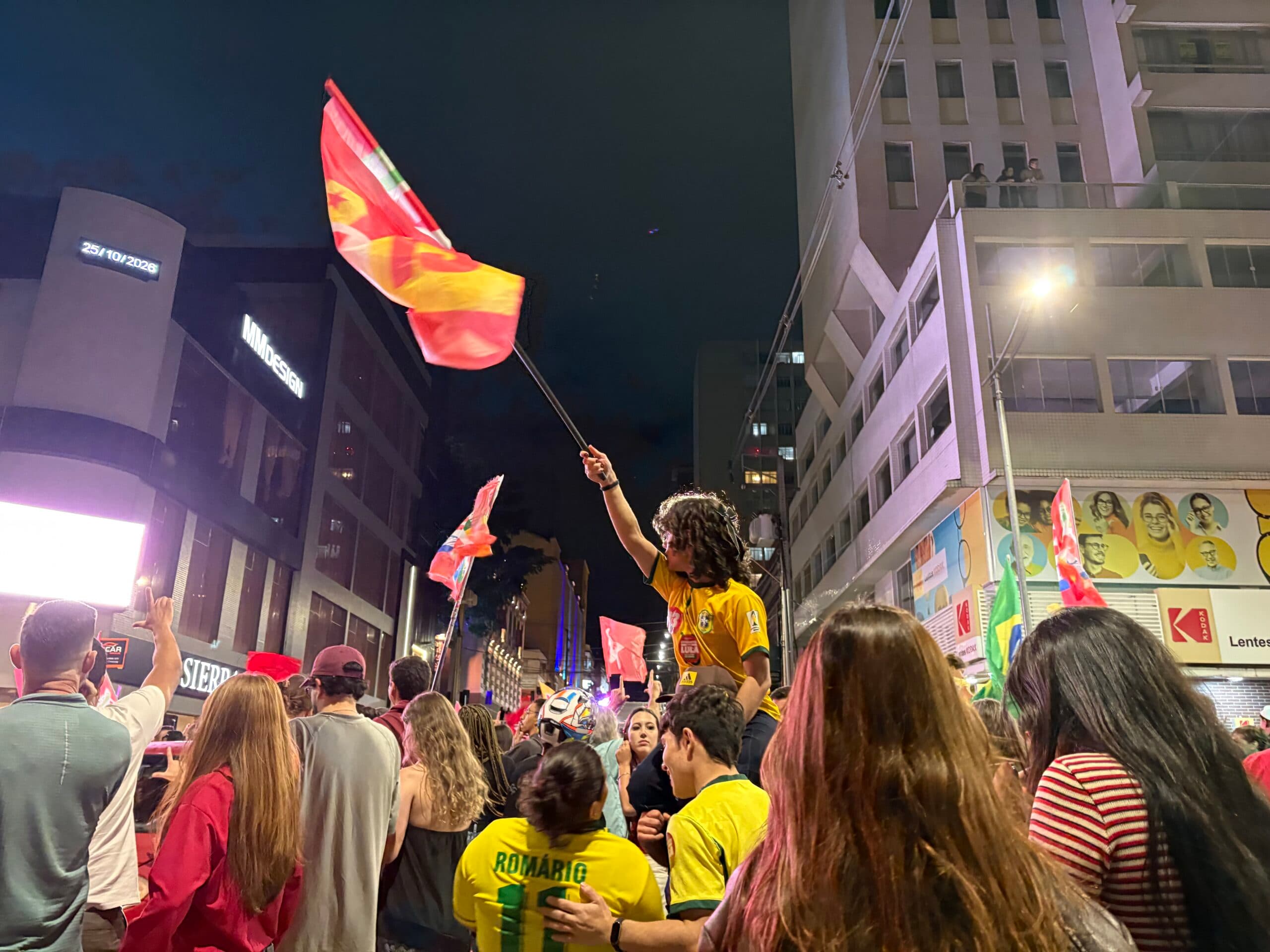
The main index of the Brazilian stock market, the Ibovespa, fell 16.26% on Monday (26.out.2026), reaching 171,738.28 points at 10:56. The fall triggered the security mechanism known as the circuit breaker, which temporarily interrupted negotiations at B3. The measure came in the first reading after the victory of President Luiz Inácio Lula da Silva (PT) on Sunday (25.out.2026) for his fourth term.
According to B3, the circuit breaker was activated around 10 am and suspended the negotiations for 30 minutes. The mechanism is an operational procedure foreseen for times of strong market decline. The exchange explained that the interruption is based on the variation of Ibovespa B3, the main index of the Brazilian stock market.
Historic fall in the first post-election session
The fall of 16.26% reflects the immediate reaction of investors to the result of the polls. Lula’s victory for a fourth term generated uncertainty in the financial market, leading to a wave of stock sales. The index fell below 172,000 points, a level not seen in months.
The circuit breaker is triggered in stages, according to the magnitude of the fall of the Ibovespa. The first interruption occurs when the index drops 10%, the second to 15% and the third to 20%. On Monday, the fall exceeded 15%, which justified the halting of negotiations for 30 minutes.
B3 said the procedure is routine and aims to give investors breath in times of panic. The pause allows market participants to reevaluate their positions and avoids hasty decisions. After the resumption, the negotiations continued, but the index remained at a strong low.
https://www.youtube.com/watch?v=0TbwtmxAaMs
Video: YouTube | Source: www.poder360.com.br
The dollar spikes and increases pressure on the economy
In the foreign exchange market, the dollar also registered a strong upward trend. At 9:30 a.m., the U.S. currency was trading at R$ 5,605, with an appreciation of 12.52% compared to the previous closing. The dollar surge reflects the risk aversion of foreign investors and the search for assets considered safer.
The rise in the dollar has a direct impact on inflation, as it increases the price of imported products and inputs. For the consumer, this could mean pressure on food, fuel and electronics prices. Economists warn that the combination of falling stocks and rising dollars could affect economic growth in the short term.
The move on Monday is a clear sign that the market has reacted negatively to the election result. The uncertainty about the economic policy of the new government is the main factor behind the turbulence. Investors await concrete signs about the economic team and the first measures of the president-elect.
What to expect in the next few days
Analysts consulted by the Boca no Trombone portal indicate that volatility is expected to continue in the coming trading days. The trend is for the market to keep an eye on Lula’s statements and the formation of his ministerial team. Any sign of restraint or commitment to fiscal balance can calm the spirits.
On the other hand, maintaining a more interventionist discourse can deepen the losses. The Banco Central also enters the radar, as the dollar’s rise can push inflation and lead to a higher interest cycle. The monetary authority can intervene in the exchange rate if the volatility becomes excessive.
For the individual investor, the moment requires caution. Experts recommend avoiding hasty decisions and maintaining a diversified portfolio. The recommendation is to keep track of political and economic developments before making abrupt movements in the portfolio.
Impact for the Paraná and Ponta Grossa
The turbulence in the financial market also affects the economy of Paraná. Companies with open capital and a strong presence in the state, such as cooperatives and industries, can suffer from the rise of the dollar and the fall of the stock market. The agribusiness, a key sector for the Paraná, feels the impact of currency variation on the costs of imported inputs.
In Ponta Grossa, industrial hub of the Campos Gerais region, the concern is with the attraction of investments. Political and economic instability can delay local business expansion decisions. On the other hand, the devaluation of the real can benefit exporters, who receive in dollar and have costs in local currency.
The Boca no Trombone portal will continue to track market developments and impacts for the region. The recommendation is that readers be attentive to economic news and seek professional guidance before making financial decisions.
Read Also
Balansin gathers support to preside over Chamber of Ponta Grossa
Bid to pave St. Martin's Link fails in Ponta Grossa
Lula will have Congress with a majority of the opposition in 4th term
Font
www.power360.com
Prioritize Power in Google (www.google.com)
Power360 integrates the (thetrustproject.org)