Lack of health regionalization in Ponta Grossa causes 133 bus trips in August
Health regionalization in Ponta Grossa gains debate after 4,166 patients traveled by bus to receive care outside the city in August

The regionalization of health in Ponta Grossa returned to the center of the debate after data from the Municipal Health Secretariat showed that 4,166 patients used 133 bus trips in August alone to carry out consultations, tests and other care outside the municipality. Added to other types of transport, there were more than 4,500 displacements in the period.
The situation gained repercussions after the release of a video by the councilor of Ponta Grossa and candidate for state deputy Julio Kuller (PL). The images show patients gathered at the Ponta Grossa Bus Station before following the trip for care performed mainly in the Metropolitan Region of Curitiba.
The problem affects people who, in addition to facing health treatments, need to travel long distances to have access to certain procedures that are not yet available in the region.
More than 4,000 patients travelled by bus
According to data from the Municipal Health Secretariat, the Out-of-Home Treatment Scheduling Center (TFD) organized 133 bus trips during the month of August.
These trips transported 4,166 patients for care outside of Ponta Grossa. The average exceeds 189 people transported per working day of operation.
In addition to the buses, another 297 patients needed to travel by car, in individual trips made by medical indication.
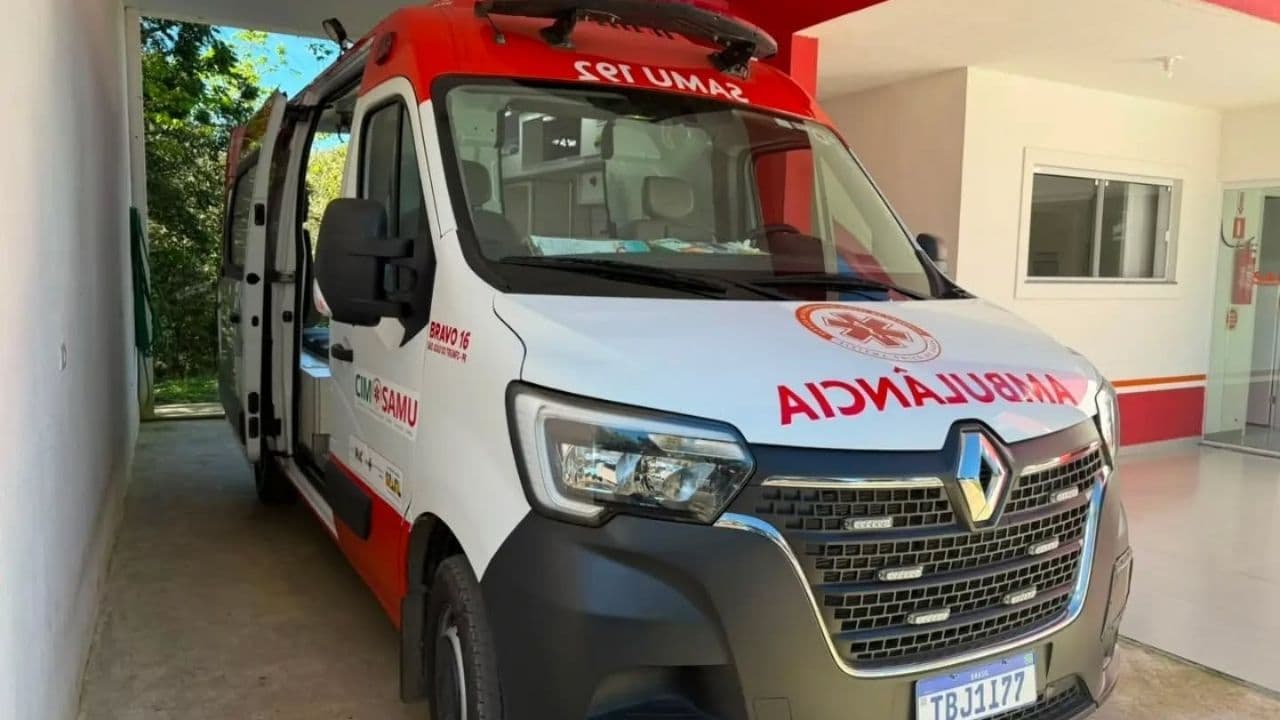
Another 115 patients were transported by ambulance to hospitals located in other municipalities.
Considering the three modalities, 4,578 patient displacements were recorded in just one month.
The numbers highlight the importance of the Out-of-Home Treatment system for patients, but also broaden the discussion about the capacity of the regional hospital structure to absorb specialized procedures.
Kuller advocates regionalization of care
In the video released on social networks, Julio Kuller advocates a greater regionalization of health in Ponta Grossa and Campos Gerais, mainly for procedures considered medium and high complexity.
The proposal defended by the candidate is to increase the care capacity of existing hospitals in the city, reducing the number of patients forced to travel to Curitiba and other municipalities.
Among the main hospital structures of Ponta Grossa are the Santa Casa of Mercy, the Hospital Universitário State University Ponta Grossa (HU-UEPG), the Heart Hospital Bom Jesus and the Maternal - Child Hospital Universitário (Humai-UEPG).
“It is time to regionalize the health of Paraná, so that the people do not suffer,” Kuller said in the material released.
The demonstration takes place during the 2026 election campaign. Kuller holds a seat in the Legislative Assembly of Paraná (Aleppo) for the PL and is part of the same political group as the candidate for the Government of Paraná Sergio Moro (PL).
Extensive displacement of patients
The discussion on regionalization involves not only the availability of hospital places, but also the offer of specialized consultations, examinations, surgeries and treatments of greater complexity closer to the patients' residence.
For those who depend on the TFD, the trip can mean leaving home even during the early hours and returning only at the end of the day, depending on the scheduled time and the distance to the care unit.
The expansion of specialized services in Ponta Grossa could also benefit residents of other municipalities of Campos Gerais who already use the city as a regional reference in different areas of health.
The August data show that, despite the existing structure in the municipality, thousands of trips to care outside of Ponta Grossa are still needed every month.