Lula calls FHC 'dead-alive' in speech in Rio
President Luiz Inácio Lula da Silva (PT) called former president Fernando Henrique Cardoso "dead-alive" during a speech for the elderly in Rio de Janeiro. The remarks were part of an agenda at the Universitário Gaffrée e Guinle Hospital. FHC, 95 years old, was diagnosed with advanced Alzheimer's and has been judicially interdicted since April.

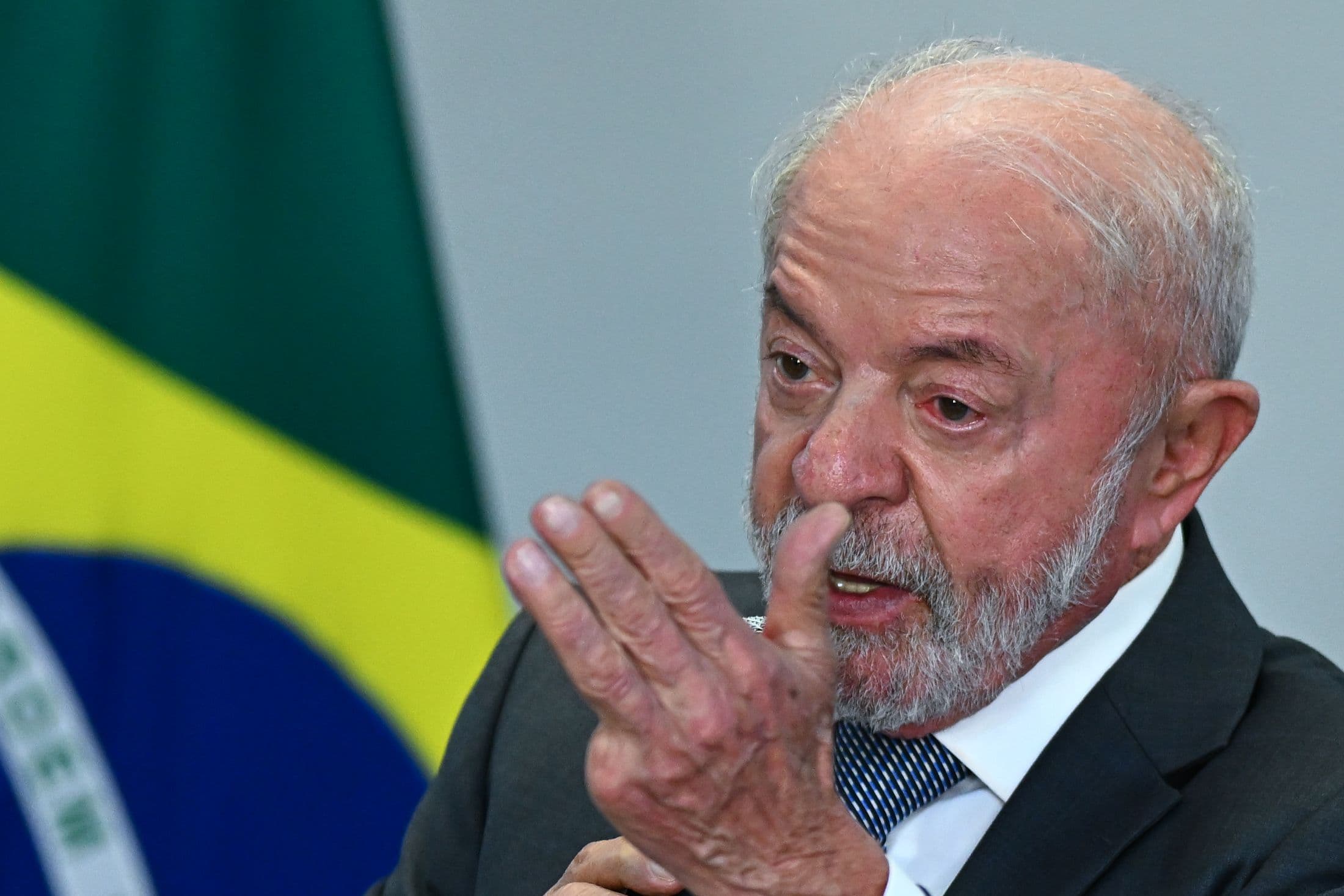
President Luiz Inácio Lula da Silva (PT) called the former president Fernando Henrique Cardoso a “dead-living” during a speech to the elderly and health professionals in Rio de Janeiro. The statement was made on Thursday, in the official agenda at Hospital Universitário Gaffrée e Guinle, of the Federal University of the State of Rio de Janeiro (Unirio). Lula reported having recently visited FHC, 95, who has been diagnosed with advanced Alzheimer’s and has been barred from court since April this year.
The speech immediately resonated with supporters and critics, reigniting the debate over the treatment given to former presidents and people with neurodegenerative diseases. The Palácio do Planalto has not yet officially spoken about the case.
Visit to the former president and diagnosis
According to Lula’s account, the visit to Fernando Henrique Cardoso occurred on an unspecified date, but was mentioned as recent. The former president, who ruled Brazil from 1995 to 2002, faces an advanced Alzheimer’s disease, a condition that progressively compromises memory, cognition and autonomy.
Since April, FHC has been judicially barred, which means that decisions about its civil and patrimonial life have been made by third parties, usually family members or curators appointed by the Justice. The prohibition is a legal instrument provided for in the Civil Code to protect people who no longer have the capacity to manage their own acts.
Alzheimer's is a neurodegenerative disease without cure, characterized by the gradual loss of neurons and synapses. In the advanced stages, the patient may lose the ability to communicate, recognize close people, and perform basic tasks, such as feeding or moving around.
Context of Speech at the Hospital
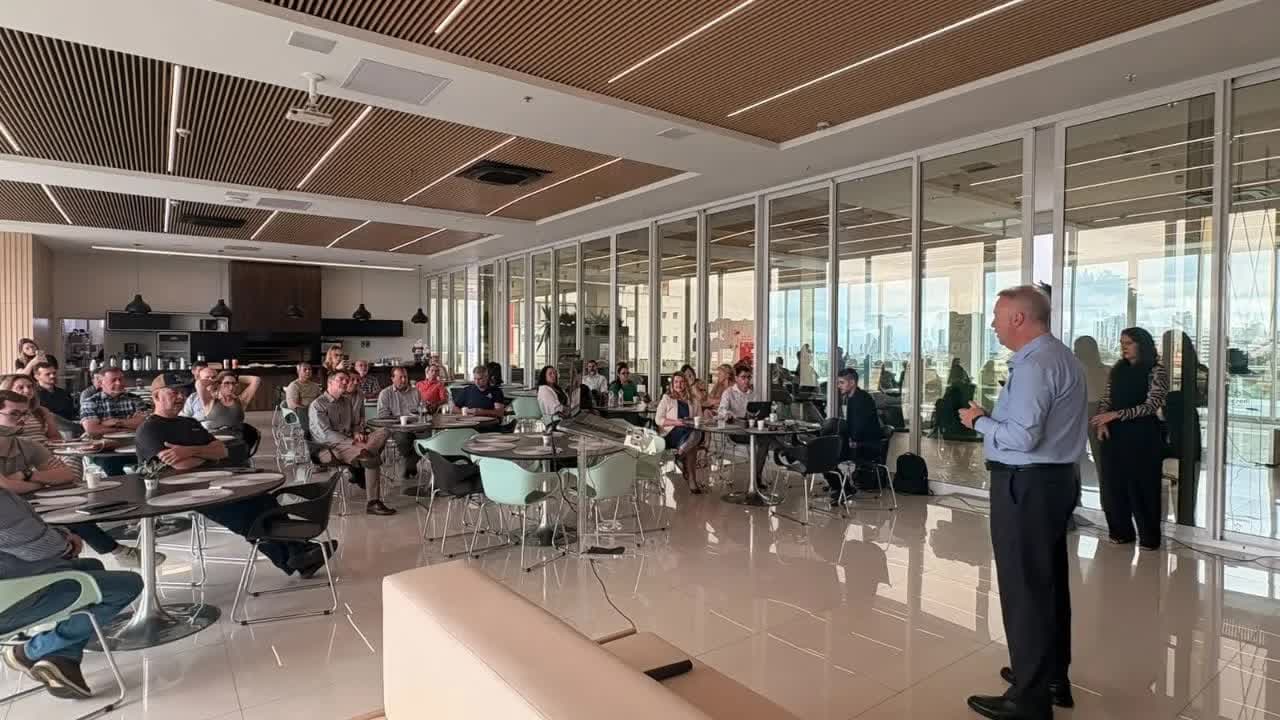
Lula’s statement came during a meeting with participants of the project “Rebirth”, an initiative aimed at comprehensive care and longevity for the elderly held at the Gaffrée and Guinle Hospital. The project serves elderly people in the region with activities to promote health, prevent diseases and encourage social coexistence.
At the time, the president spoke about the importance of staying active over the years and recalled the visit to the predecessor. He contrasted the FHC framework with his view of what it means to live fully in the elderly.
“To live is to have the desire to do something, to walk, to visit a friend, to dance,” Lula said, according to a press report. The phrase was used to illustrate the difference between an active life and the condition of someone who he said was just surviving.
Criticism of the Asylum Model
In the same speech, Lula criticized the traditional model of asylums where the elderly remain isolated. He advocated the creation of living spaces that allow the practice of physical and cultural activities and the maintenance of an active social life.
“The government intends to create spaces where attendees can practice physical, cultural activities and maintain an active social life,” the president said, without detailing deadlines or budget. The proposal aligns with active aging public policies recommended by the World Health Organization (WHO).
Gerontology experts point out that social isolation is a risk factor for depression, cognitive decline and early mortality among the elderly. Coexistence programs and group activities are considered effective strategies to improve the quality of life in the elderly.
Impact and research on video
Lula’s speech comes at a delicate moment for the FHC family. Earlier this month, the former president was exposed by an influencer who filmed the former president’s home on a sort of “tour” to social media. At the end of the video, the man appears next to the former president, who does not react.
According to the influencer, FHC's wife, Patricia Kundrát, authorized the recording and dissemination of the images. The case is being investigated by the Civil Police of São Paulo. The exposure of a person with advanced Alzheimer’s has raised questions about ethics, privacy and protection for vulnerable people.
So far, the FHC family has not publicly pronounced on Lula’s statement. The PSDB, the party of the former president, also did not release an official note. Behind the scenes, Tucans consider that the speech was “disrespectful” and “unnecessary”.
What experts say
For doctors and caregivers, the term “dead-living” is considered inappropriate and stigmatizing. People with Alzheimer’s, even at an advanced stage, continue to be subject to rights and deserve dignity. The disease does not erase the history nor the contribution of the individual to society.
“In the case of the former FHC president, recognized worldwide as the great statesman he was, he must always be remembered and revered for the fundamental contribution he made to Brazil. This is how he deserves to be remembered,” concluded a toucan, in a statement reproduced by the press.
Lula’s speech also rekindled the debate about the language used by public authorities when referring to political opponents. In a polarized country, statements like this tend to generate strong reactions on social media and in Congress.
Next steps
The Palácio do Planalto is expected to speak out in the coming days about the repercussions of speech. The opposition is considering filing motions of rejection in the House and Senate. The Civil Police of São Paulo continues to investigate the case of the video recorded in the house of FHC.
In the meantime, the project “Renascer” continues its activities at the Gaffrée and Guinle Hospital, serving elderly people in the North Zone of Rio. The expectation is that the federal government will soon announce concrete measures to expand living spaces for the elderly, as promised by Lula.
For readers of the Boca no Trombone, the case raises important questions about aging, public health and respect for people with neurodegenerative diseases. Follow the updates of this news on our portal.
Read also
Lula advocates review of government social programs
New law guarantees free and compulsory education from 4 to 17 years
Moretti must remain in the Planning in nod of Lula to the PT
Font
www.gazetadopovo.com