Lula returns to Brazil with challenges in the ministry and fiscal adjustment
The elected president Lula returns to Brazil with the mission to form the ministry and lead the fiscal adjustment. Commentator Ana Flor evaluates that Lula has more strength than Dilma to reconcile the demands of the PT with economic responsibility. The topic is discussed in the podcast O Assunto.

President-elect Luiz Inácio Lula da Silva lands in Brazil with two immediate challenges: the formation of the ministry and the conduct of fiscal adjustment. The analysis is by GloboNews commentator and g1 columnist Ana Flor, guest of this week’s O Assunto podcast. The expert assesses that Lula has more strength than Dilma Rousseff to reconcile the demands of the PT with economic responsibility.
The program, presented by Natuza Nery, discusses the behind-the-scenes transition of government and the internal pressures of the party. The production is by Luiz Felipe Silva, Luiz Gabriel Franco, Juliene Moretti, Stéphanie Nascimento, Marco Antônio Martins and Thomé Granemann.
Lula's political force in the current scenario
Ana Flor highlights that Lula reaches the third term with accumulated political capital after winning a polarized election. Unlike Dilma, who faced strong opposition in Congress and lost popular support, Lula maintains high approval and transit between different sectors. This legitimacy, according to the commentator, allows the petista to negotiate more firmly both with the market and with the allied base.
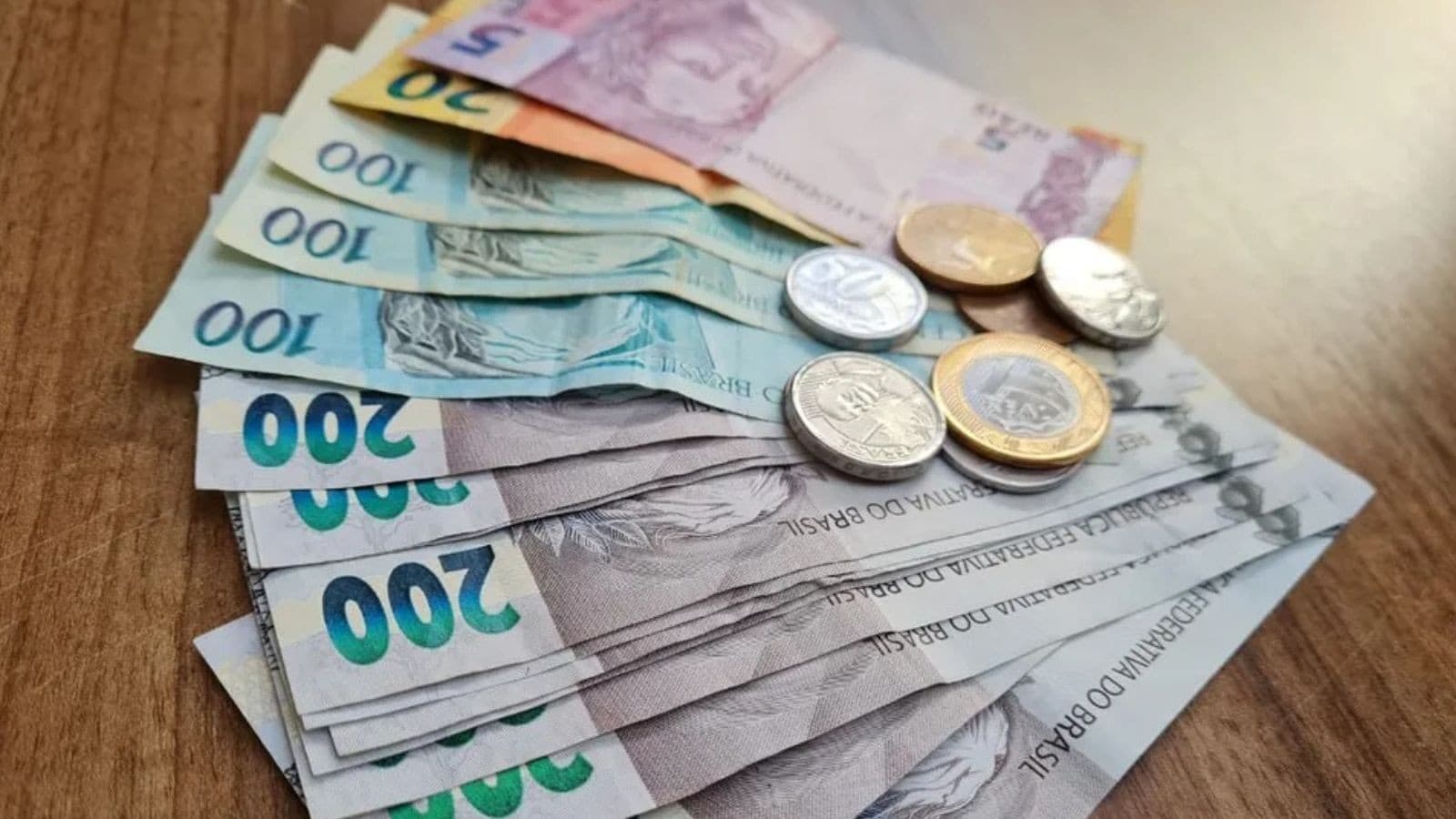
The president-elect will have to balance campaign promises, such as the maintenance of Brazil Aid at R$ 600, with the need to control public spending. The source did not detail the fiscal adjustment numbers, but indicated that the economic team is already working on proposals for the new fiscal framework.
Challenges in the assembly of the ministry
The formation of the ministry is another sensitive point. Lula needs to accommodate allied parties, such as PSD, MDB and União Brasil, without giving up technical cadres for the economic area. The announcement of the first names is expected to take place in December, before the inauguration on January 1.
Ana Flor emphasizes that the choice of the Minister of Finance will be decisive to signal the commitment to fiscal responsibility. Names such as Fernando Haddad and Henrique Meirelles are cited behind the scenes, but the source has not confirmed any indication. The PT pushes for more space in social folders, while the market charges names with an orthodox profile.
Comparison with the Dilma government
The commentator draws a parallel with the Dilma Rousseff government, which faced difficulties in implementing fiscal adjustments due to the resistance of the PT itself and the loss of support in Congress. Lula, on the other hand, would have more political ability and popular backing to conduct unpopular measures, such as spending cuts and structural reforms.
However, the current economic scenario is challenging: high inflation, high interest rates and global slowdown. The source did not detail economic projections, but stressed that the new government will need to act quickly to avoid a recession.
The role of the podcast The Subject
The podcast O Assunto, from g1, brings daily analyses on the main themes of Brazil and the world. Episode #1847, with Ana Flor, is available on major audio platforms. The production is signed by a team of six professionals, under the presentation of Natuza Nery.
The listeners can follow the developments of the transition of government and the decisions of Lula in the coming days. The programme also addresses the impacts of ministerial choices on the economy and national politics.
Expectations for the next steps
Lula is expected to meet with party leaders and financial market representatives in the coming weeks. The priority, according to the analysis of Ana Flor, is to define the economic team and send to Congress a proposal for a new tax regime in the first half of 2023.
The president-elect also needs to deal with pressure from social movements, which charge the repeal of measures from the Bolsonaro government and the resumption of social programs. The source did not detail the timetable of the negotiations, but indicated that the pace will be intense until the inauguration.
For the readers of Boca no Trombone, the unfolding of these negotiations will have a direct impact on the local economy, especially on agribusiness and industry in Paraná. The definition of fiscal adjustment may influence interest, exchange rate and infrastructure investments in the Campos Gerais region.
Keep following the portal for updates on the transition of government and the decisions of the new ministry. The full episode of the podcast The Subject is available on g1 and streaming platforms.
Read Also
Alckmin minimizes market swing after tax package
Solução Costa Rica: Fábio Silva highlights progress of the work
PGR opposes release of former BRB president
Font
g1.globo.com