Lula's Government Has 8 Economic Projects to Approve by 2026
Lula's government is trying to approve at least eight economic projects in Congress before the parliamentary recess on December 23. Among the priorities are the 2027 Budget, the regulation of the tax reform, and the MP on betting. The economic team is also studying the possibility of sending a new PEC with fiscal adjustment measures.

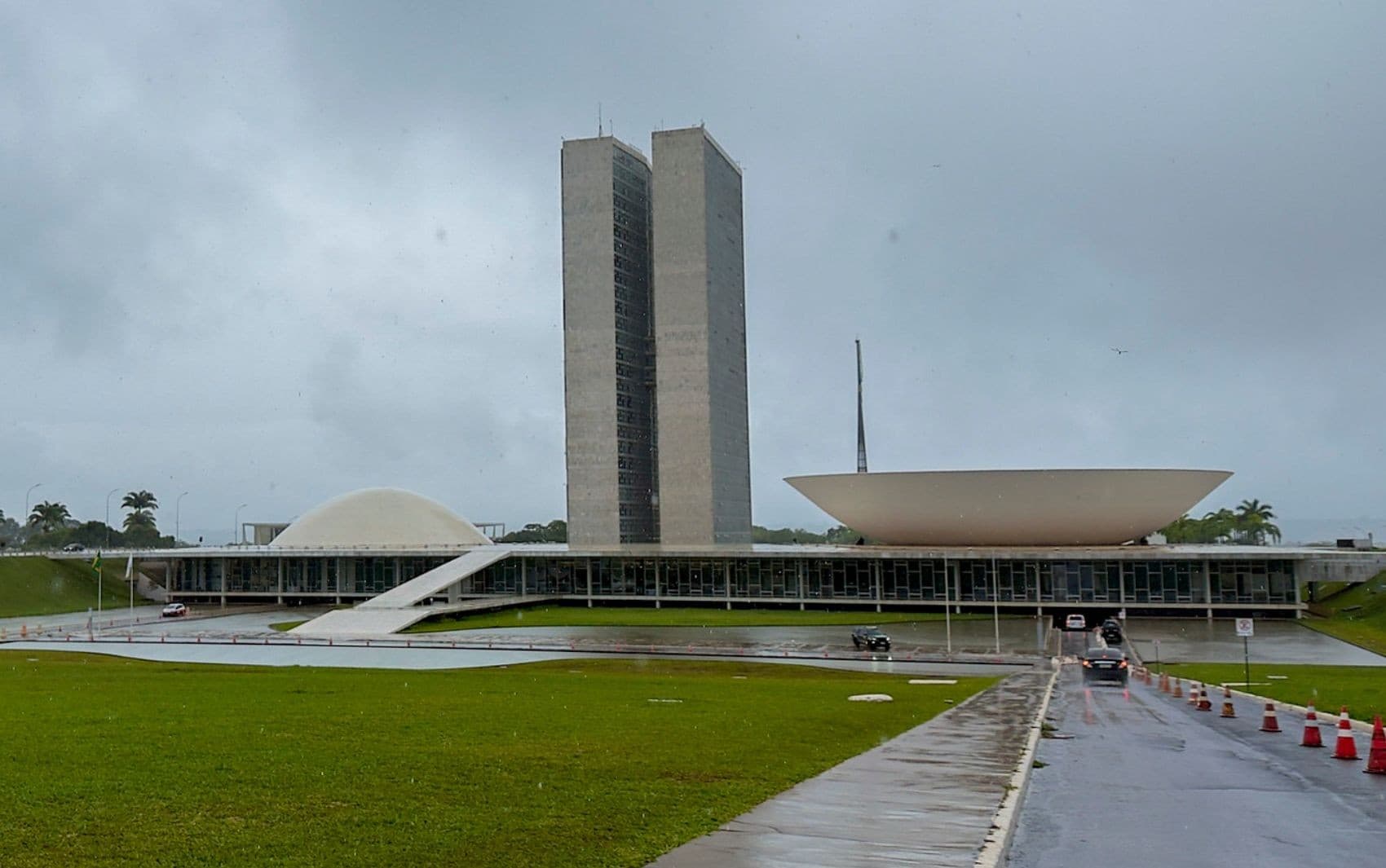
The government of President Luiz Inácio Lula da Silva (PT) runs against time to approve a series of economic measures until the parliamentary recess, which begins on December 23. In less than a month, government officials are trying to speed up the analysis of at least eight projects.
After Lula’s victory with the approval of the fiscal adjustment of R$ 56 billion in a week, the economic team is already studying sending to Congress a Proposal of Amendment to the Constitution (PEC) with more measures of economic adjustment, as shown by Ana Flor’s blog.
The 2027 budget is an immediate priority
Among the projects that the approval in the coming weeks are the most important are texts that need to be in force in early 2027 to ensure the proper functioning of the Brazilian economy. Among them, the two measures that will determine the 2027 budget.
The LDO should be discussed in the next few days. MEPs and senators need to pass the text that sets out rules for federal spending, including investment goals and priorities, and only then discuss the LOA.
The latter will define federal investments, for example, in the areas of health and education, as well as define how much will be spent on parliamentary amendments.
With the elections, these discussions were postponed. Now, after the fiscal adjustment is approved, MPs and senators must move forward to pass the two 2027 Budget laws until the recess in December.
Reforma tributária requires urgent definitions
In 2027, Brazil’s new tax system begins to take effect. Before that, the government needs parliamentarians to approve the PEC of the Tax on Industrialized Products (IPI).
The proposal was submitted because the Medida Provisória that sets the rate of the Selective Tax in 2027, also known as "sin tax", takes 90 days to come into force.
Until that happens, the IPI must continue to be charged for products such as cigarettes and alcoholic beverages – and that is what defines the government’s proposal.
🔎 Created by reforma tributária on consumption, the sin tax will begin to be charged in 2027 and aims to make products or activities that cause harm to health or to meio ambiente such as alcoholic beverages, soft drinks and cigarettes more expensive.
The MP of the Selective Tax, which also needs to be voted, provides for the maintenance of the current tax burden on products that cause health damage next year, transition period. Then, from 2028, the idea is that taxation will increase.
By May 31, 2027, the government must submit to Congress a bill defining the rates to be applied from January 1, 2028.
Likewise, there is a rush for the Senate to define the tax rate of the Contribution on Goods and Services (CBS), one of the three tributes created by reforma tributária. The rate needs to be set in December, as it will begin to be charged in 2027.
MP das Bets e Desenrolla 3.0 na pauta
Another priority for the Lula government is the MP of bets. The measure prohibits the exploitation of fixed-rate bets in Brazil. The ban is already in force in the country, but to continue after March 2027, the text needs to be approved by Congresso Nacional.
For a medida provisória to be approved, it is necessary that the text be voted first in a mixed committee of deputies and senators. Only then are the votes taken in the plenary of the House and the Senate.
However, so far, the joint commission has not even been formed. Government leaders already admit that the analysis of this measure of Lula remains only for 2027.
The MP of Desenrola 3.0, which also loses its validity in March, already has its mixed commission. However, it remains without a vote.
The initiative provides for the acquisition and restructuring of debts with a delay of 2 to 4.5 years. The new round of Desenrola, a debt renegotiation program for natural persons, is aimed at debts of up to R$ 10,000. The government estimates that the debts in these modalities amount to R$ 300 billion and intends to reach 50% of this amount, or R$ 150 billion.
Although the two measures still have a longer time frame to be approved by Congress before they lose their validity, the government wants to approve the measures later this year to take advantage of the current formation of the House and Senate.
With the tight schedule, the Planalto Palace intensifies negotiations in the coming days. The outcome of these votes will define the pace of the Brazilian economy in 2027 and the legacy of Lula’s third term.
Read Also
Cleitinho seeks agreement with Lula for debt of MG
Government will regulate special days after the end of the 6×1 scale
Paranhos highlights advance of tourism in the country and wants a mandate close to the municipalities of Paraná
Font
g1.globo.com