Mayor vetts expansion of gluten-free food in PG
Mayor of Ponta Grossa vetts law expanding gluten-free food offerings in health units and points to structural and financial limitations

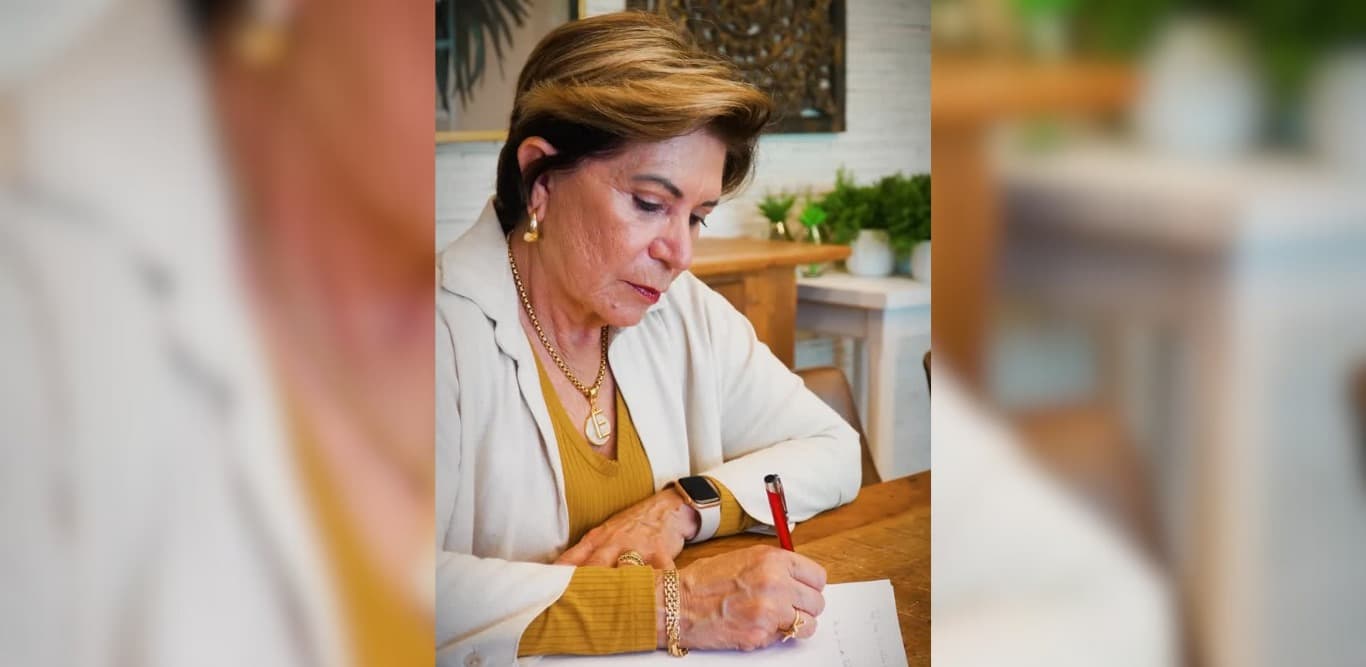
The mayor of Ponta Grossa, Elizabeth Schmidt, fully vetoed Lei Municipal No. 16.139/2026, which expanded the mandatory supply of gluten-free food to people with celiac disease in public and private health facilities in the municipality. The decision was published on Wednesday (25), in the issue no 4.763 of the Official Journal of the Municipality.
Originating from Bill 265/2026, the proposal established norms to ensure adequate and safe food for celiac patients treated in hospitals, Pronto Atendimento Units (UPAs), maternity wards, clinics and other health facilities.
The Executive Power justified the veto on the basis of structural, operational, sanitary and budgetary limitations, in addition to pointing out contravention to the public interest.
What does the veto law mean?
The legislation adopted by Câmara Municipal established a series of measures aimed at the food safety of people with celiac disease. Among them were:
Supply of gluten-free food by medical or nutritional prescription;
Adoption of protocols to prevent cross-contamination;
Use, whenever possible, of exclusive environments, equipment and utensils;
Authorization for family members to provide meals, subject to approval by the medical or nutritional team;
Regular training of professionals responsible for handling food;
Application of sanctions in case of non-compliance with the legislation.
The proposal also provided for educational campaigns on celiac disease and the importance of early diagnosis.
City Council points to risks of contamination
According to the reasons presented by the Executive, the Vigilância Sanitária identified risks of cross-contamination by gluten in shared kitchens, especially by the dispersion of flour particles and the permanence of waste on surfaces, equipment and utensils.
The paper highlights that conventional sanitation may not be enough to ensure the safety of foods intended for celiac patients.
Another point questioned was the entry of meals prepared by family members, since, according to Vigilância Sanitária, the measure would make it difficult to control the conditions of preparation, storage, transport and preservation of food.
UPAs and other units have structural limitations
The Prefeitura de Ponta Grossa also presented technical manifestations of different units of the municipal health network.
The technical management of the UPA Santa Paula has positioned itself contrary to the application of the legislation in the units of pronto atendimento, given the incompatibility between the requirements and the available structure.
The Child Care Center (CAC) does not routinely offer meals to patients and companions. CAPS AD, in turn, has only a shared kitchen and receives part of the meals from a third party company.
The Municipal Health Department stressed that it does not oppose the protection of people with celiac disease, but the imposition of the same obligations on establishments with different structures and care profiles.
The City Council needs additional resources.
The City Council also voted in favour of the veto. According to the portfolio, the implementation of the legislation would require the opening of budgetary credits to meet the new demands.
Possible expenses include physical adaptations, acquisition of equipment and utensils, training of professionals and revision of contracts with third-party companies.
The Attorney General’s Office concluded that the partial veto would not be legally feasible, since the exclusion of certain units would require changes incompatible with the rules established by the Municipal Organic Law.
The Celiac Patient Protection Act remains in force
Despite the veto, the City has clarified that the Lei Municipal no 15.233/2024 remains in force. The legislation ensures the provision of special diets to people with celiac disease in hospitalization situations and Ponta Grossa UPAs.
The Attorney General’s Office also recommended the evaluation of a future legislative proposal, at the initiative of the Executive, that considers the characteristics and operational capacity of each health facility.
The full veto will be submitted to the Câmara Municipal de Ponta Grossa, which may maintain or overturn the mayor’s decision.
Read also City Hall sanctioned the law that extends the urban perimeter of Ponta Grossa