Otohematoma in dogs: causes, symptoms and treatment
Otohematoma is a blood-filled sac in the ear of dogs and cats, usually caused by repeated trauma. Treatment varies from medications to surgery, and control of the underlying cause is essential.

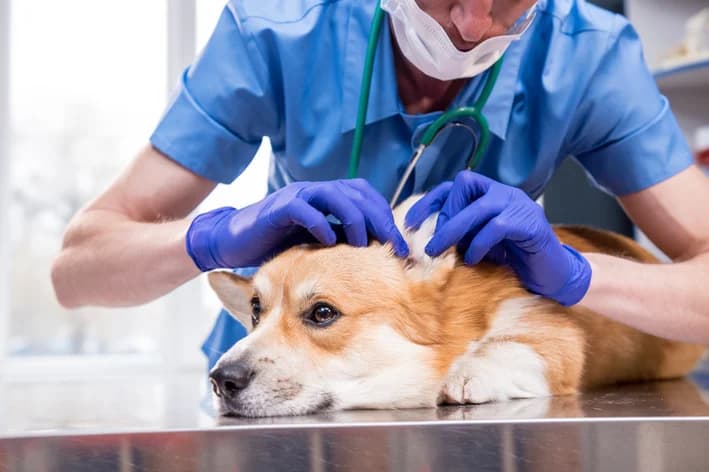
The otohematoma in dogs and cats is an atrial condition that causes accumulation of blood or bloody fluid in the ear, leaving the region swollen, warm, soft and sensitive. Most often in dogs, the problem usually arises after repeated trauma caused by the act of scratching the ear or shaking the head. Also known as an atrial hematoma or aural hematoma, the otohematoma has treatment, but the conduct depends on each case.
According to veterinarian Joyce Lima, “The otohematoma can have several causes, including bacterial infection, scabies and trauma/bruises.” The lesion arises when small blood vessels rupture and the accumulated contents move the skin away from the cartilage, forming a soft, floating swelling, usually on the inner face of the ear.
What is otohematoma
Also known as an atrial hematoma, an otohematoma is a blood bag formed in the outer part of the ear after the rupture of small blood vessels. The build-up of blood or seroblood content —a mixture of blood with the natural fluid of the tissues— occurs in the auricular pavilion, the outer and visible part of the ear. Despite the frequent relationship with ear problems, the otohematoma forms in the atrial pavilion, not within the ear canal.
The process causes a soft, floating swelling, which can leave the ear warm, red and sensitive. Without proper treatment, the region may suffer from fibrosis, thickening and permanent deformation. Therefore, it is essential to seek veterinary guidance when noticing the first signs.
The most common causes
Otohematoma usually arises after repeated trauma to the ear. Scratching the area hard or shaking the head can rupture small blood vessels and cause blood to build up in the atrial pavilion. In most cases, the lesion arises when the pet scratches the ear or shakes the head repeatedly because of otitis, allergy, mites, foreign bodies or other discomfort.
Otitis, allergies, parasites and foreign bodies can act as root causes, as they cause the discomfort responsible for the trauma. Fights, accidents and hits are direct causes. A dog with external otitis, for example, may scratch the ear and shake the head repeatedly. Without the control of otitis, the trauma can continue and cause a new accumulation of blood after the treatment of the otohematoma. In some cases, however, there is no identifiable atrial history or cause.
Cats may also have it, although less frequently than dogs. Generally, in cats, otohematoma is associated with the presence of mites (earworm),” said Joyce Lima.
Symptoms that deserve attention
Soft swelling, heat, redness, sensitivity and the presence of fluid under the skin are among the most common signs. Without treatment, the ear can become hard, thick, and deformed. When noticing these symptoms, seek out a veterinarian and do not try to drill or drain the swelling at home.
The diagnosis is made during the visit, when the veterinarian examines the ear and investigates the problem responsible for the itching or trauma. Clinical evaluation is essential to define the best conduct and avoid complications.
Treatment options
Medicines, aspiration, drainage and surgery are among the treatment possibilities, chosen according to the size, time of evolution and severity of the injury. The conduct may involve medication, drainage or surgery, depending on the characteristics of the injury and the health conditions of the pet.
But the cure depends on the size of the injury, the time of evolution, the possibility of recurrence and the health of the pet. It is also essential to treat the underlying cause to prevent the fluid from accumulating again. When care begins early and the underlying cause is controlled, recovery is usually favorable. By puncturing or draining the swelling at home, however, the risk of pain, infection and recurrence increases.
Without proper care, the otohematoma can cause pain, fibrosis, thickening and permanent deformation of the ear. Therefore, the guidance is always to seek a qualified professional.
For more information on animal health and other topics of interest, continue to follow the Boca no Trombone portal.
Font
blog.cobasi.com.br