Senate approves Lula's fiscal adjustment by 45 to 31
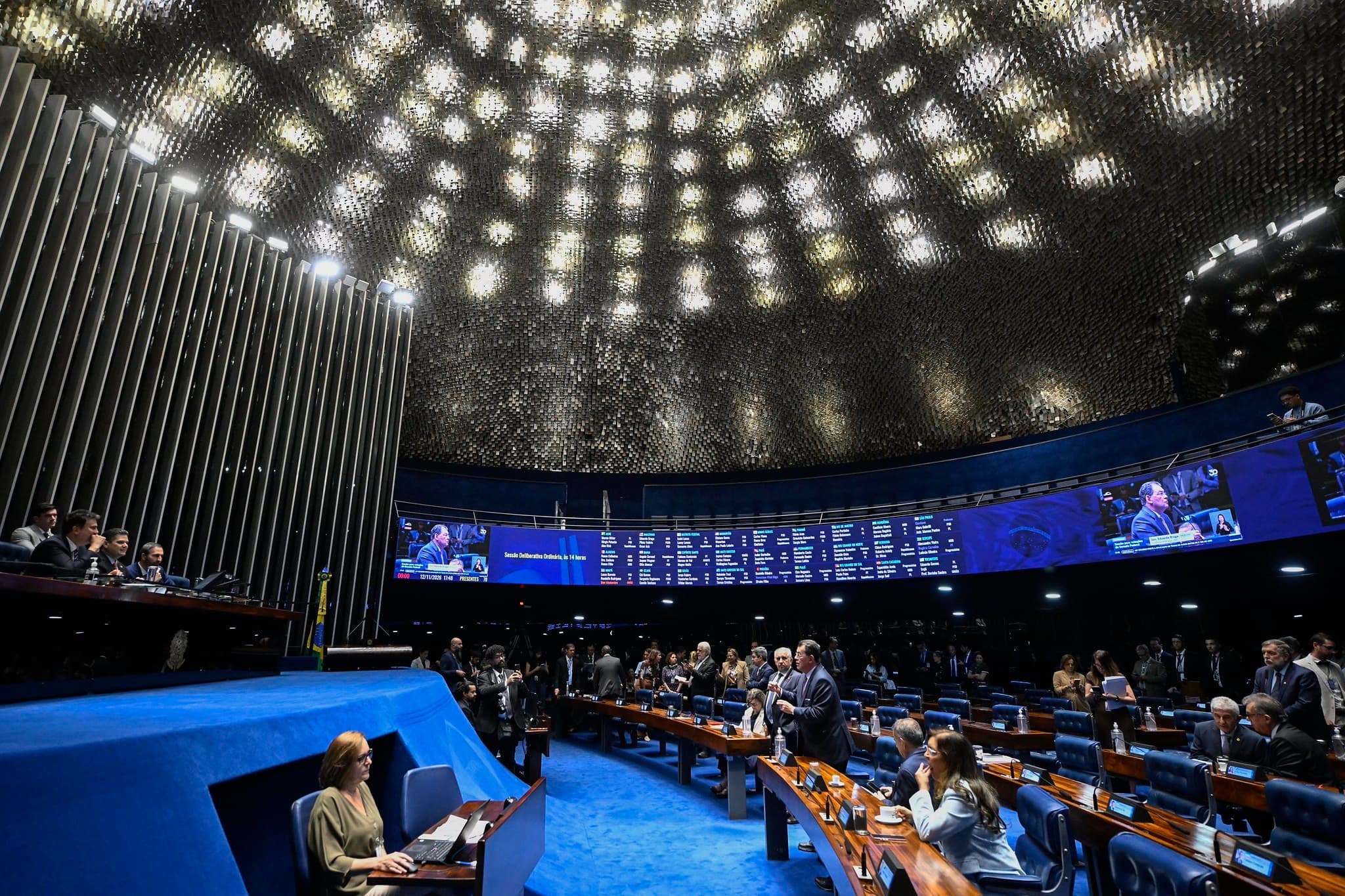
The Senate approved on Thursday (12) the draft text of President Lula's fiscal adjustment project, with a vote of 45 to 31. The voting will be completed next Tuesday (17), when four amendments will be analyzed.


The Federal Senate approved, on Thursday (12), the basic text of the tax adjustment project submitted by the government of President Luiz Inácio Lula da Silva (PT). The vote ended with a narrow score: 45 senators voted in favor and 31 against. The proposal sets out a series of measures aimed at balancing public accounts by 2027, including cutting tax benefits, regulating super-wages and contingency spending.
The session was marked by intense political articulation, reflecting the division of the plenary around the measures of expenditure containment. Despite the adoption of the main text, the vote was not completed. The senators have yet to examine four highlights — proposals for amendments to the text — next Tuesday. Only after this stage will the project go to presidential sanction.
Tight score reveals division in the Senate
The result of 45 votes in favor and 31 against shows how divided the House is in relation to the fiscal adjustment proposed by the Planalto Palace. To pass the basic text, the government needed a simple majority, that is, at least 41 votes. The margin of 14 votes of difference shows that the Allied base managed to secure the necessary number, but without breaks.
The opposition, meanwhile, has harshly criticized the measures, arguing that the adjustment could compromise public investments and social programs. Government officials have defended the proposal as essential to the country’s fiscal sustainability. The source did not detail the individual speeches of the parliamentarians during the session.
Individual votes: examples of positioning
Among the senators who registered vote, Professor Dorinha Seabra (UNIÃO-TO) voted in favor of the base text. The MP, who represents the state of Tocantins, aligned herself with the government’s orientation in the main vote. Its positioning reflects the support of part of the União Brasil bench, a party that integrates the allied base, albeit with internal divisions.
On the other hand, Senator Rogério Carvalho (PT-SE) did not attend the session. The absence of a parliamentarian from the government’s own party draws attention, but the source has not detailed the reasons for the lack. Senator Jorge Seif (PL-SC) registered presence, but his participation was classified as "political/cultural activity", which indicates that he did not vote in the base text.
These three examples illustrate the complexity of the vote: even among allies, there were absences and abstentions that could have altered the final result. The source did not provide the full list of votes of all senators.
What the Tax Adjustment Project provides
The approved text sets out measures for a fiscal adjustment in 2027, focusing on three main axes. The first is the cut of tax benefits, which aims to reduce tax waivers considered inefficient. The second is the regulation of super-wages in the public sector, limiting remuneration that exceeds the constitutional ceiling. The third is spending contingency, which allows the government to block discretionary spending in case of revenue frustration.
These measures, according to the government, are necessary to meet the fiscal targets set in the fiscal framework. However, the proposal faced resistance from sectors that fear impact in areas such as health, education and investment. The source did not detail the estimated impact of each measure.
Next steps: highlights on Tuesday
The vote on the bill will be completed on Tuesday (17), when senators will analyze four highlights. The highlights are proposals for amendments to the main text, presented by parliamentary parties or blocs. Each highlight is voted separately and, if approved, modifies the content of the project.
Among the points that can be changed, the source did not specify which themes will be the subject of the highlights. However, it is common for the opposition to try to suppress sections considered controversial, such as the contingency of expenses or the regulation of superwages. The government will need to articulate its base again to avoid defeats at this stage.
After analyzing the highlights, the text will go for presidential sanction. If there are changes, the bill will be returned to the House of Representatives for further consideration. The process is expected to be completed later this month, but the source did not confirm deadlines.
Impact for citizens and states
The fiscal adjustment proposed by the government has the potential to directly affect the lives of Brazilians, especially with regard to public services and tax benefits. Cutting tax benefits, for example, can make products or services that now have incentives more expensive. The regulation of super-wages can generate savings to the public coffers, but it also faces resistance from categories of functionalism.
For states and municipalities, contingency spending can reduce federal transfers, impacting investments in infrastructure and local policies. In the Paraná, for example, works that rely on Union resources may be delayed if the adjustment is implemented rigorously. The source did not detail specific regional impacts.
It is important that the citizen follows the vote of the highlights next Tuesday, as the decisions taken in the Senate will have direct reflections on the economy and public services in the coming years.
Reactions and expectations
After the approval of the base text, government leaders celebrated the result, highlighting the importance of the adjustment for the fiscal credibility of the country. The opposition has promised to continue fighting against the measures in the highlights, seeking to minimize what it considers negative effects for the population.
The source did not detail specific statements by senators after the vote. However, the climate in the plenary was expected for next Tuesday, when the four highlights will be voted on. The result of this step will define the final scope of the fiscal adjustment.
For the reader who wishes to follow the developments, the Boca no Trombone Portal will continue to cover the project process, with updates on the highlights vote and their impacts. Keep an eye on our upcoming publications.
Read Also
Senate debates tax adjustment and can vote today
Congress approves appointment of 851 servers and creation of 1,800 positions
Government releases use of reserve of R$ 5 million of bets to return money to bettors
Font
www.gazetadopovo.com