Sergio Moro announces health and digital government secretaries for Paraná
Sergio Moro announces Ricardo Akel and Fernando Yokemura to join Paraná's secretariado in health and digital government areas

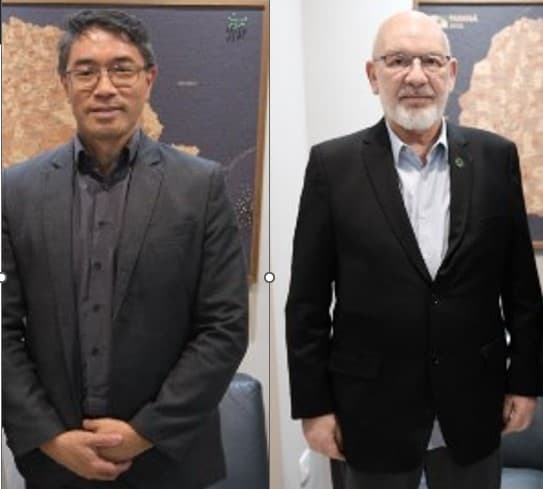
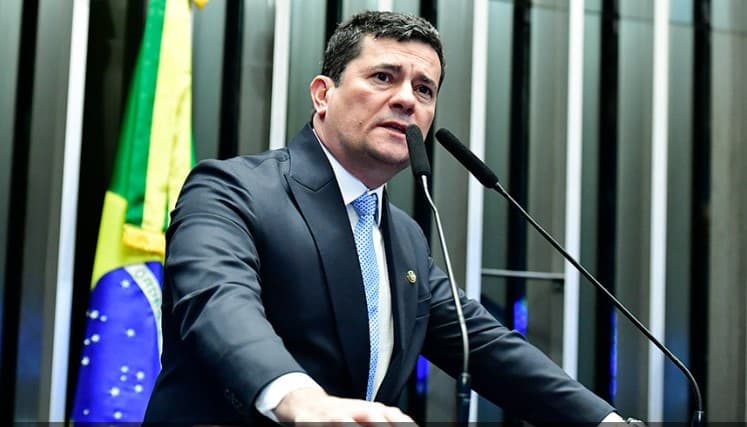
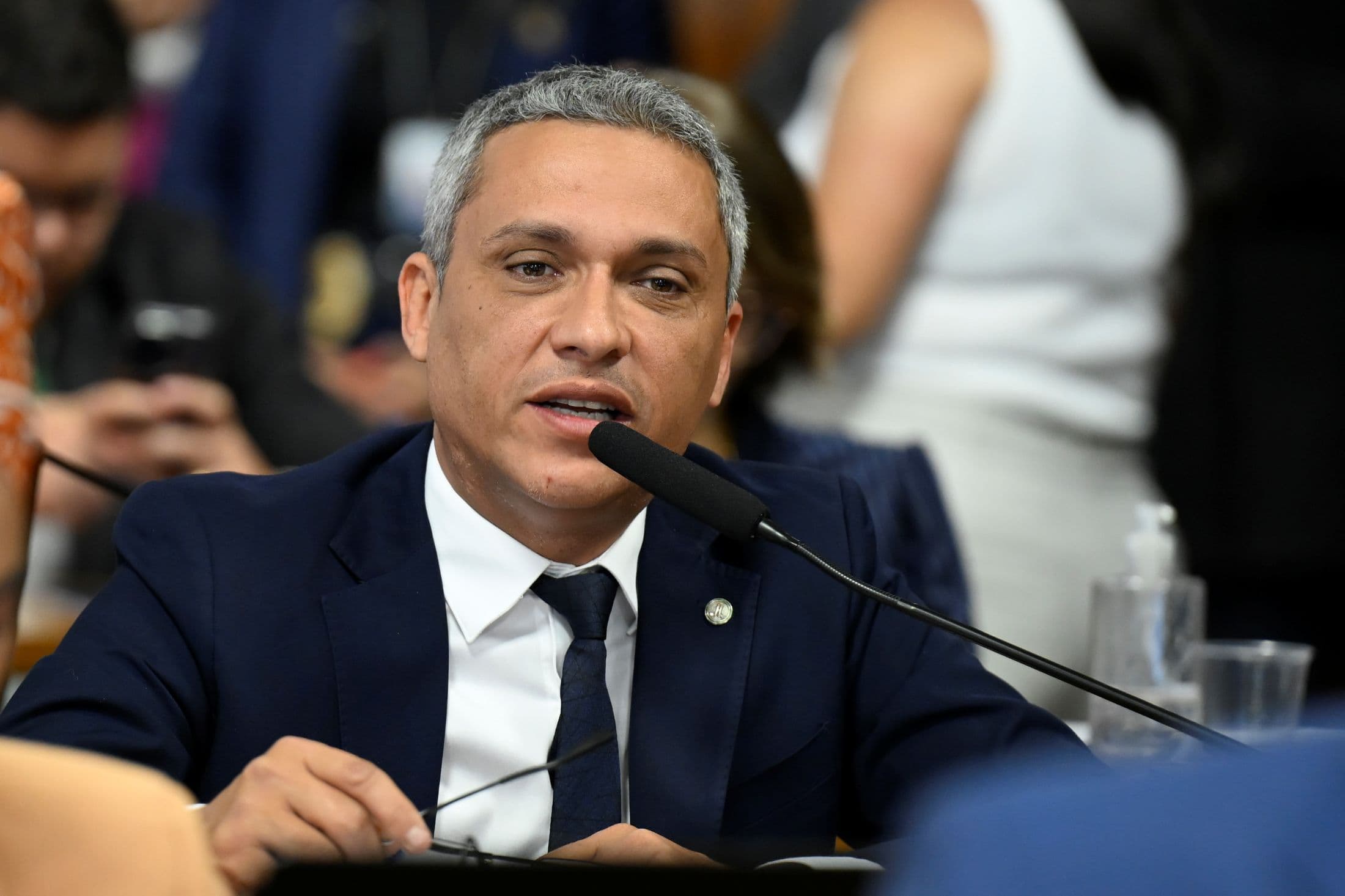
The elected governor of Paraná, Sergio Moro, announced on Thursday (26), two more names that will make up the state secretariat from January 2027. The doctor and public manager Ricardo Akel will assume the Secretariat of Health, while Fernando Hideyo Yokemura will head the Secretariat of Digital Government and Artificial Intelligence.
The nominations are in line with the proposals presented by Moro during the election campaign, which include reducing the queues in health, modernizing public administration and expanding the population’s access to state services through technology.
According to the elected governor, the training of the team prioritizes professionals with experience and technical capacity in their respective areas.
“We want a lean, honest and efficient government, made up of technical people, qualified and consecrated in their areas. Ricardo Akel is a great reference of Paraná medicine and public health management. Fernando Yokemura is nationally recognized in digital transformation and in the development of technologies to facilitate access to government services,” said Moro.
Ricardo Akel assumes the Secretariat of Health
Graduated in Medicine from the Federal University of Paraná (UFPR), Ricardo Akel holds a master's degree in Internal Medicine and specializations in Medical Clinic, Gastroenterology and Hospital Administration.
Throughout his career, he served as professor and doctor at the Hospital de Clínicas da UFPR, an institution in which he held the positions of medical director and general director, being the first to assume the general direction through election of the university community.
Between 1990 and 1992, he was National Secretary of Health Assistance and President of the National Institute of Medical Assistance of Social Security (INAMPS), participating in the structuring of the Unified Health System (SUS).
He has also held management roles in public and private institutions. Currently, he is the Executive Director of the Institute of the Rhine Group of Paraná.
Among the priorities of the future government for health are the reduction of queues for consultations, examinations and surgeries, the strengthening of primary care and the creation of the Tabela SUS Paranaense, which provides for the state complement of the amounts paid for procedures.
The expansion of telemedicine and the digitization of health services also form part of the government plan.
Fernando Yokemura will lead Digital Government and Artificial Intelligence
With more than 35 years of experience in information technology, governance and digital transformation, Fernando Hideyo Yokemura will be responsible for the modernization of state public services.
Lawyer and data processing technologist, he holds a master’s degree in Public Management and specializations in artificial intelligence, Big Data, finance and software engineering.
The future secretary accumulates passes through the Banco do Brasil, where he led the technology area in Europe, by Caixa Econômica Federal and by Prodesp, the technology company of the government of São Paulo.
Currently, she holds a PhD in Economics, with an emphasis on the application of artificial intelligence in public policies.
The main tasks of the secretariat will be to integrate state services, reduce bureaucracy and facilitate attendance to the population through digital tools.
“Everything the citizen needs from the government will be accessible in a mobile application, including care in the health area,” Moro said during the election campaign.
The use of artificial intelligence is also among the proposals to improve administrative processes, assist in decision-making and improve the efficiency of public services.
With the new announcements, Sergio Moro advances in the composition of the team that will take over the Government of the Paraná in January 2027.
Read also With more than 52,000 seniors, PG faces challenges in the protection network