STF has record disapproval: 47% rate it as bad or very bad
The negative assessment of the Supreme Federal Court reached its highest level ever recorded by Datafolha. According to a survey released on Saturday (26), 47% of Brazilians consider the work of the ministers as bad or very bad. Only 18% classify the performance as excellent or good.

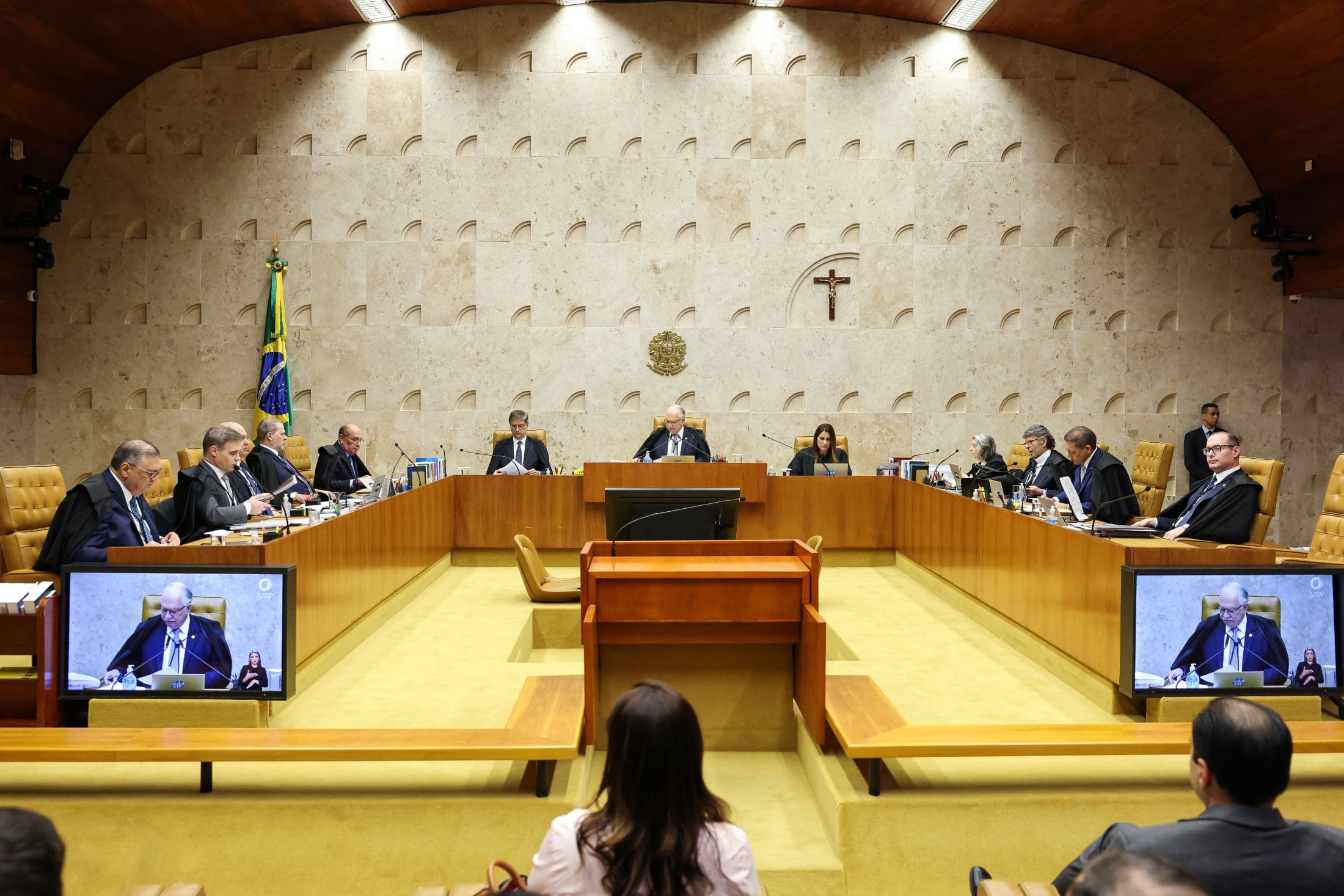
Reprobation of the Supremo Tribunal Federal (STF) has reached the highest level since Datafolha began measuring Brazilians’ perception of the Court in 2019. A survey released on Saturday (26) by Folha de S.Paulo shows that 47% of respondents consider the work of ministers bad or bad. The index exceeds the 40% recorded in May and marks a record in the historical series.
The survey also reveals that only 18% of Brazilians rate the Supreme Court’s performance as good or excellent. Another 31% rated performance as regular, while 4% did not know how to respond. The difference between negative and positive evaluations reached 29 percentage points, showing a scenario of strong discontent with the highest court in the country.
Reprobation grows and reaches historic peak
The growth of the negative evaluation of the STF is one of the most expressive data of the research. In May, 40% of Brazilians disapproved of the court; now, it is 47%. This increase of seven percentage points in a few months indicates a significant deterioration in the image of the institution before public opinion.
Datafolha did not detail the specific reasons for the increase in reprobation, but the political context and recent decisions of the Court may have influenced the perception of citizens. The historical series started in 2019 shows that the current level is unprecedented, surpassing all previous records.
Positive assessment remains low
While the reprobation shoots, approval for the STF continues at a reduced level. Only 18% of respondents consider the work of ministers to be either good or excellent, a number that contrasts sharply with the 47% of negative evaluations. This imbalance reflects a crisis of confidence in the institution.
The 31% who evaluate performance as regular indicate a significant portion of the population that does not position itself in an extreme way, but also does not show enthusiasm with the Court. The source did not detail the historical evolution of these percentages, but the current scenario suggests a trend of continued wear and tear.
Political division brand perception of the STF
The survey reveals striking differences in the court’s assessment among voters of the top presidential candidates. Among those who vote for Flávio Bolsonaro (PL), 69% rate STF negatively. Among the voters of President Lula (PT), this percentage drops to 24%.
In the positive field, the situation is reversed: 32% of the voters of the petista approve the action of the Court, while only 6% of the supporters of the senator have a positive evaluation. These figures show how the perception about STF is strongly linked to the political position of the interviewees.
Ministers' practices generate broad rejection
In addition to the general evaluation, the research investigated the opinion of Brazilians about specific behaviors of Supreme members. For 88% of respondents, it is unacceptable for a minister to judge cases in which a relative acts as a lawyer. This index demonstrates an almost unanimous rejection of this practice.
Another 85% condemn the participation of magistrates in events paid by companies with actions in the Court. 82% of voters reject decisions that benefit or harm presidential candidates during the election period. These data suggest that the population expects greater ethical rigour and impartiality from ministers.
Impact on confidence in institutions
The record of reprobation of the STF comes at a time of intense debate on the role of the judiciary in national politics. The fall in trust can affect the legitimacy of the Court’s decisions and widen tensions between the Powers. The research did not directly address the institutional consequences, but the scenario worries analysts.
For the ordinary citizen, the negative assessment of the Supreme reflects dissatisfaction with the functioning of the Justice and with the conduct of its members. It is expected that the data will serve as an alert for any changes in posture or internal rules.
Next steps and follow-up
Datafolha did not inform the periodicity of the next surveys on the STF, but the trend is that new surveys monitor the evolution of public opinion. The source also did not detail the margin of error or the number of respondents, data that usually accompanies the full disclosure.
The Boca no Trombone Portal will continue to follow the developments of this research and the reactions of the Supreme Court and other institutions. For more news on national policy and public body evaluation, continue browsing our website.
Read Also
Candidates of 2026 accumulate R$ 100 million in environmental fines
Quaest in Pará: Helder leads with 25% for the Senate
Haddad criticizes Flávio Bolsonaro after walking with Lula
Font
www.gazetadopovo.com