Trabuco Succeeds Haddad and Durigan on Fazenda
Luiz Carlos Trabuco will be the Minister of Finance of the fourth Lula government, succeeding Dario Durigan, who took over after the departure of Fernando Haddad. The ministry has previously been led by Paulo Guedes, Henrique Meirelles, and Guido Mantega.

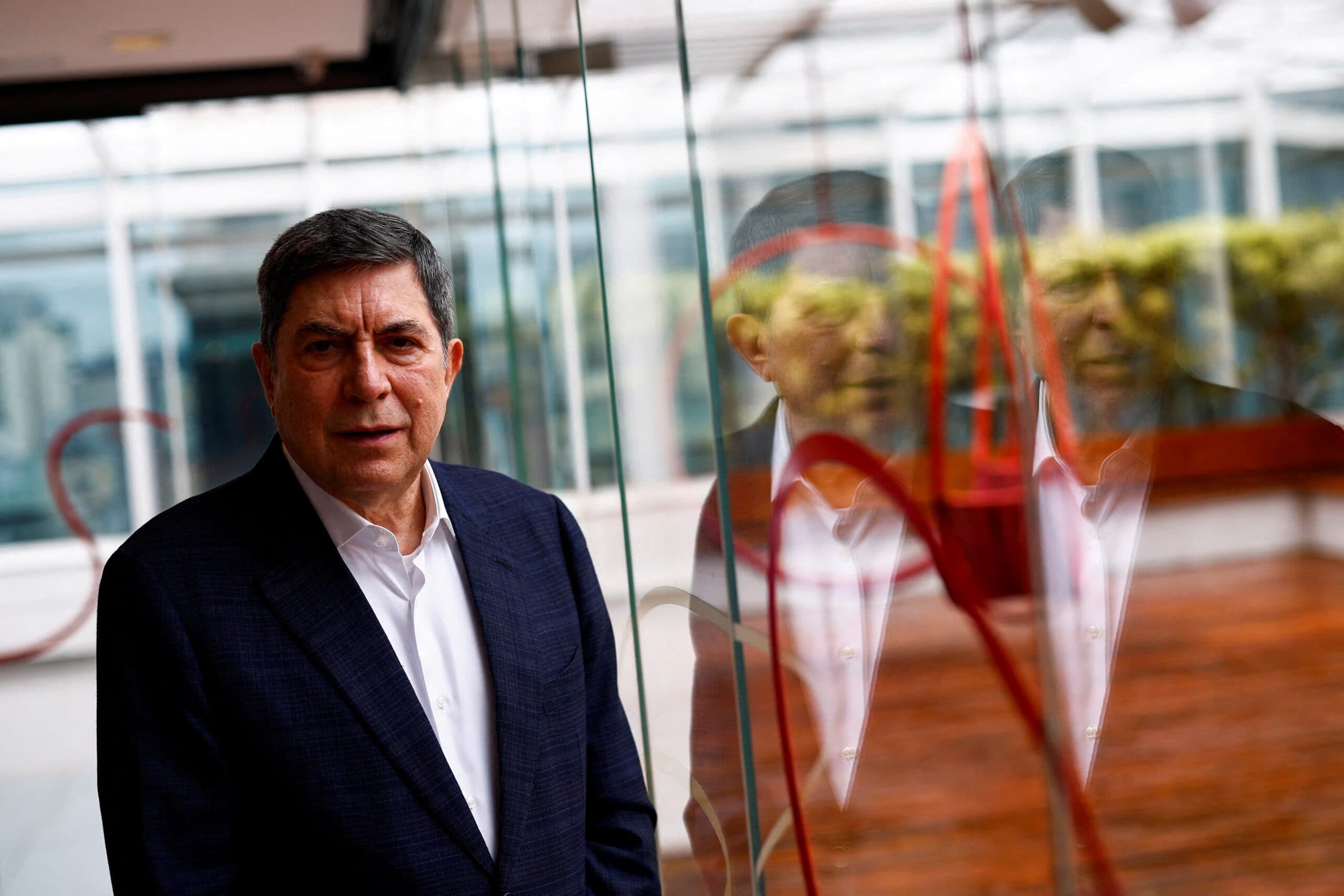
The president of the Board of Directors of Bradesco, Luiz Carlos Trabuco, will be the Minister of Finance of the fourth government of Luiz Inácio Lula da Silva (PT). At the head of one of the most important executive portfolios, he will be the successor to a chair that has had names such as Fernando Haddad, Paulo Guedes, Henrique Meirelles and Guido Mantega.
The choice of Trabuco marks a new chapter in the conduction of the Brazilian economy. Before him, Dario Durigan held the post for a short period, after Haddad left to contest the elections in São Paulo. Next, remember who were the last ministers of the Brazilian Treasury.
Haddad and the new fiscal framework
Fernando Haddad was the prime minister of the three Lula government. Former mayor of São Paulo and former minister of education, he took over the portfolio in January 2023, with the mission of reorganizing public accounts and establishing a new rule to control the growth of government spending.
One of the main marks of its management was the approval of the new fiscal framework, in 2023, which replaced the spending ceiling created during the Michel Temer administration. The rule set limits for the growth of federal spending and targets for the outcome of public accounts.
Haddad also led the political articulation of the reforma tributária on consumption, approved by Congress in 2023 and subsequently regulated. The proposal provides for simplification of taxes and the creation of a new model of taxation. The minister left office in March 2026 to contest the elections in São Paulo.
Durigan
Dario Durigan took over the Ministry of Finance on March 19, 2026, following the departure of Fernando Haddad. Before he took command of the portfolio, Durigan was the executive secretary of the ministry, considered the second most important office of the structure. He had also previously worked with Haddad in the City Hall of São Paulo.
During its management, it continued the economic policy initiated by its predecessor, with a focus on the implementation of the new fiscal framework, the review of expenditures and the search for revenues to balance the public accounts. Durigan remained in office until the election of Luiz Carlos Trabuco for Lula's fourth term.
Guedes and the Ministry of Economy
During the government of Jair Bolsonaro (PL), the Farm was incorporated into the Ministry of Economy, which also gathered assignments from the old folders of Planning, Development and Labour. Paulo Guedes is an economist graduated from the Federal University of Minas Gerais (UFMG) and a doctorate from the University of Chicago.
With a liberal profile, Guedes advocated the reduction of the state’s participation in the economy, privatizations, structural reforms and control of public spending. Among the main events of its management were the approval of the pension reform in 2019 and the economic measures adopted during the Covid-19 pandemic in 2020.
The government also implemented Emergency Aid, created to serve vulnerable workers during the health crisis. Guedes remained in office for the four years of Bolsonaro’s government. With the inauguration of Lula in January 2023, the Ministry of Economy was again dismembered, and the Treasury returned to have its own structure.
Immediate predecessors
Eduardo Guardia assumed the Finance Ministry in April 2018, in the Michel Temer (MDB) government, after the departure of Henrique Meirelles, who left the post to contest the presidential elections that year. The management of Guardia was marked by the continuity of the economic policy of fiscal adjustment.
Already in the first years of the Lula government, the country recorded economic growth, increased employment and expansion of consumption. In 2008, in the face of the international financial crisis, the government adopted measures to stimulate the economy, such as tax reductions and credit expansion. These actions were coordinated by the then minister Guido Mantega, who occupied the portfolio for a long time.
Now, with the arrival of Trabuco, the Ministry of Finance begins a new phase. It remains to be seen what the priorities of the new minister will be and how he will conduct the economic policy of Lula’s fourth term.
Read also
Lula invites Luiz Carlos Trabuco to the Ministry of Finance
Trabuco accepts invitation to be Lula’s finance minister
Sergio Moro Announces Paraná Digital Health and Government Secretaries
Font
g1.globo.com