U.S. and Cuba exchange barbs at UN before vote
U.S. and Cuban representatives exchanged accusations at a UN event on human rights. The tension occurs ahead of the annual vote on the resolution against the embargo, scheduled for October 27 and 28. The embargo has lasted more than 60 years and only the U.S. Congress can suspend it.

Cuban ambassador to the UN, Ernesto Soberón Guzmán, and other representatives yelled at U.S. ambassador to the UN, Mike Waltz, as he walked out of an event at the UN building that focused on allegations of human rights violations by the Cuban government. The incident came amid rising tensions between the two nations, which are preparing for the annual vote on the non-binding resolution on the trade embargo imposed by the Estados Unidos on Cuba.
The vote is scheduled for October 27 and 28, officials said. The resolution, which condemns the embargo, has been passed by the UN General Assembly by a large majority every year since 1992. Despite international support, the measure has no legal power to lift the embargo, which can only be lifted by the US Congress.
Verbal confrontation marks event at UN
The clash came after a meeting organized by the US with Cuban dissidents to discuss the human rights situation on the island. According to reports, at the end of the meeting, Guzmán and other Cuban diplomats approached Waltz with screams and protests, in an unusual demonstration of direct confrontation in the diplomatic environment.
Guzmán called the US stance an “international criminal,” accusing Washington of imposing collective punishment on the Cuban people. "The United States is acting as an international criminal, imposing collective punishment on the people of Cuba. They are inflicting immense suffering on the entire population of a peaceful nation," the ambassador said at an impromptu meeting outside the meeting.
The speech reflects the tone adopted by Havana, which attributes to the embargo the serious economic crisis facing the country. The source did not detail whether there was a formal U.S. response to the protest.
Six Decades of Embargo and Growing Pressure
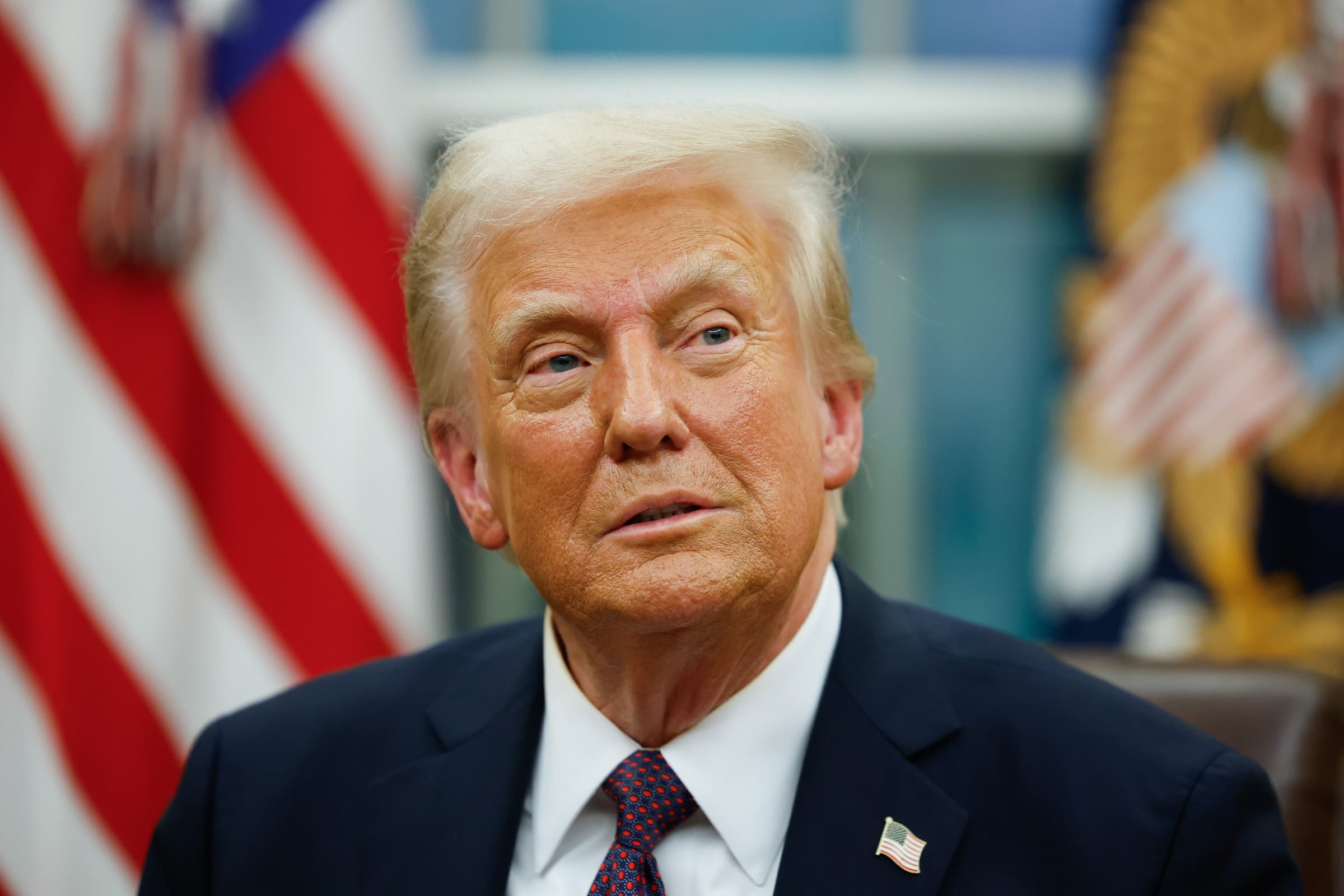
The United States has maintained a trade embargo against Cuba for more than 60 years, a policy initiated during the Cold War. Under the rule of Donald Trump, the pressure on the island intensified, with additional measures and harsher rhetoric. Last month, Trump told the UN that Cuba was a failed state and that freedom would reach the island nation.
In addition to the embargo, the U.S.-imposed oil blockade has aggravated fuel shortages in Cuba, affecting transportation, energy generation and productive activities. The Cuban power grid collapsed completely last month, plunging the country into darkness and leaving millions without electricity, an episode that highlighted the fragility of local infrastructure.
The Cuban crisis is described as the worst economic recession in decades, characterized by shortages of basic goods, collapsed infrastructure and galloping inflation. The Cuban government insists that U.S. sanctions are the main cause of the situation, while the U.S. points to mismanagement and lack of political freedoms.
Symbolic voting, but with political weight
The resolution that will be voted on October 27 and 28 is non-binding, meaning it does not oblige the U.S. to change its policy. However, the result serves as a thermometer of U.S. diplomatic isolation from Cuba. Historically, the international community has rejected the embargo by an overwhelming majority, with few countries aligned with the US.
Despite the symbolism, only the U.S. Congress can lift the Cold War-era embargo. So far, there is no indication that the US legislature intends to revise the legislation. Maintaining the blockade, therefore, depends on US internal decisions, not multilateral pressure at the UN.
For Cuba, the vote is an opportunity to reinforce the narrative that the country is the victim of an unjust and unilateral policy. For the United States, the event serves to highlight human rights violations and the lack of democracy on the island, in a clash of narratives that is repeated annually.
Regional context and humanitarian impact
The tension between the United States and Cuba comes at a time of instability in Latin America. The Trump administration turned to the military in January to remove Venezuelan President Nicolás Maduro, an action that raised the tone of relations in the region. Cuba, Venezuela’s historical ally, is concerned about the US interventionist stance.
The humanitarian crisis in Cuba has led to a significant migrant exodus, with thousands of Cubans leaving the island in search of better living conditions. The shortage of food, medicine and electricity directly affects the population, which faces long lines and rationing.
Meanwhile, the international community is watching the events unfold, with the expectation that the UN vote will reinforce the call for an end to the embargo. However, without action by the US Congress, the situation tends to remain unchanged, prolonging the suffering of the Cuban population and the diplomatic impasse between the two countries.
The outcome of the vote and the next steps in bilateral relations will be closely monitored by analysts and governments, in a scenario of uncertainty and increasing global tensions.
Read Also
Trump wants to rename New Mexico to New America
France Announces Fund for 3,000 Companies Affected by Protests
Font
www.terra.com.br