War in Ukraine pressures NATO borders and raises alert
NATO is reviewing adjustments to its defensive stance in light of recent incidents in the Black Sea region. The European Union extended sanctions against Russia until 2027. European governments are expanding preparations for hybrid threats and civil emergencies

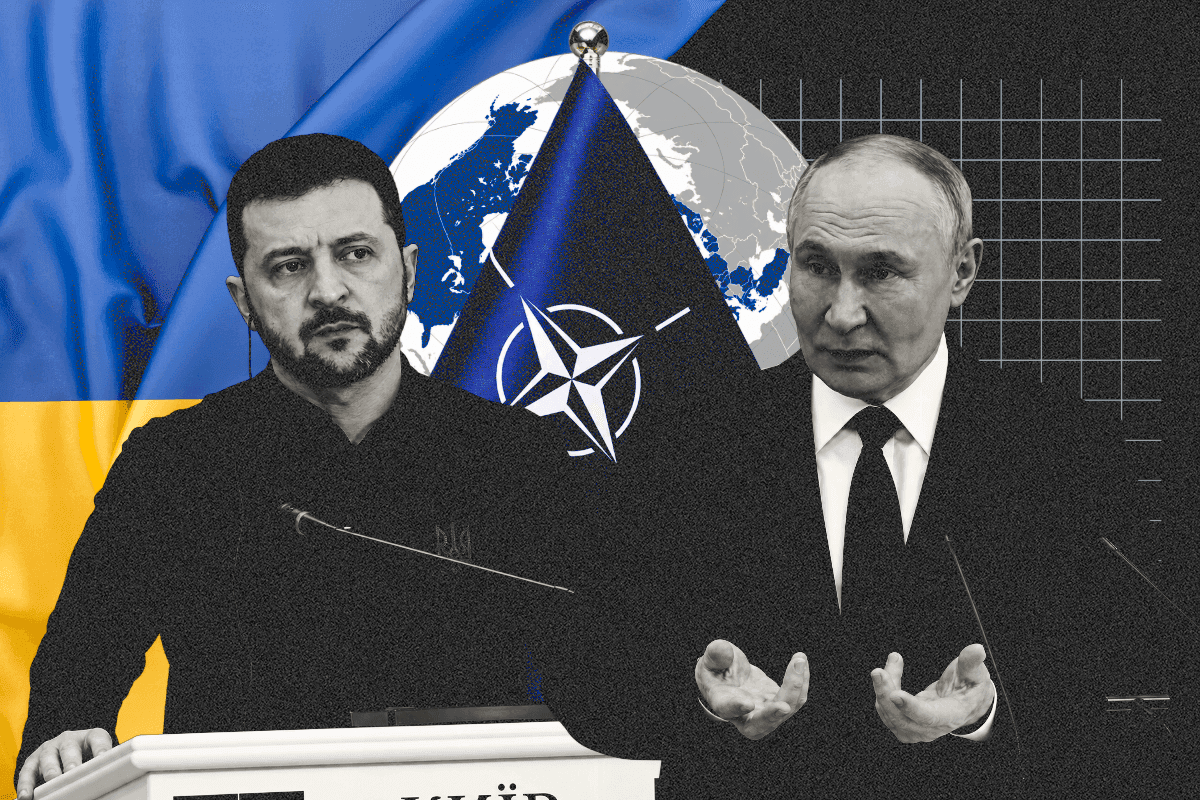
The war in Ukraine has put pressure on NATO’s borders and raised the alert level in Europe. On Thursday, the alliance's secretary general, Mark Rutte, met with Romanian and Bulgarian leaders to discuss possible adjustments to the bloc's defensive posture. The meeting comes amid a series of incidents including airstrikes and suspected hybrid operations attributed to Russia.
The objective, according to the alliance, is to expand the capacity to detect and respond to threats, especially in areas vulnerable to air raids and attacks with unmanned vehicles. The move reflects growing concern about security on NATO’s eastern flank, especially after episodes in the Black Sea.
NATO assesses defensive posture in the east
During the meeting, Rutte and the leaders of Romania and Bulgaria discussed the need to strengthen surveillance and military readiness. The alliance considers that the current situation requires a coordinated response to protect critical infrastructure and civilian populations. The source did not detail what specific adjustments are being considered.
NATO has also been closely monitoring the unfolding of the conflict, which has already crossed Ukrainian borders in terms of regional impact. The presence of drones and missiles in areas close to member countries has generated apprehension among allies.
https://www.youtube.com/watch?v=oQkppYmjUBI
Video: YouTube | Source: www.metropoles.com
EU extends sanctions against Russia
In parallel, the European Union has decided to extend until October 2027 the restrictive measures related to hybrid activities attributed to Russia. The decision, announced on October 8, maintains instruments of pressure against actions considered threats to the security of European countries.
These sanctions are aimed at containing disinformation campaigns, cyberattacks and other tactics that, according to Brussels, seek to destabilize the region. The extension signals that the European bloc sees no improvement in Russian behavior in the short term.
Security goes beyond the battlefield
The combination of attacks on Ukraine, incidents in the Black Sea and suspected hybrid operations have led European governments to treat security as an issue that goes beyond the battlefield. The discussion includes the protection of strategic facilities, the ability to respond to drones, military mobilization and the preparation of the population for possible emergencies.
This new approach reflects the understanding that modern warfare involves not only armies but also civilian infrastructure, power grids and communication systems. Countries such as Germany have already developed operational plans to coordinate civilian and military authorities in crisis situations.
Governments Prepare for Civil Emergency
Other governments also discuss emergency stocks and guidance for the population in the face of power supply disruptions, communication failures, or threats to infrastructure. Civilian preparedness has become part of the national defense strategy in several European countries.
These measures include awareness campaigns, crisis simulations and investments in resilience. The source did not detail which countries are adopting such initiatives, but the movement is seen as a direct response to the scenario of prolonged instability.
Zelensky calls for a ceasefire
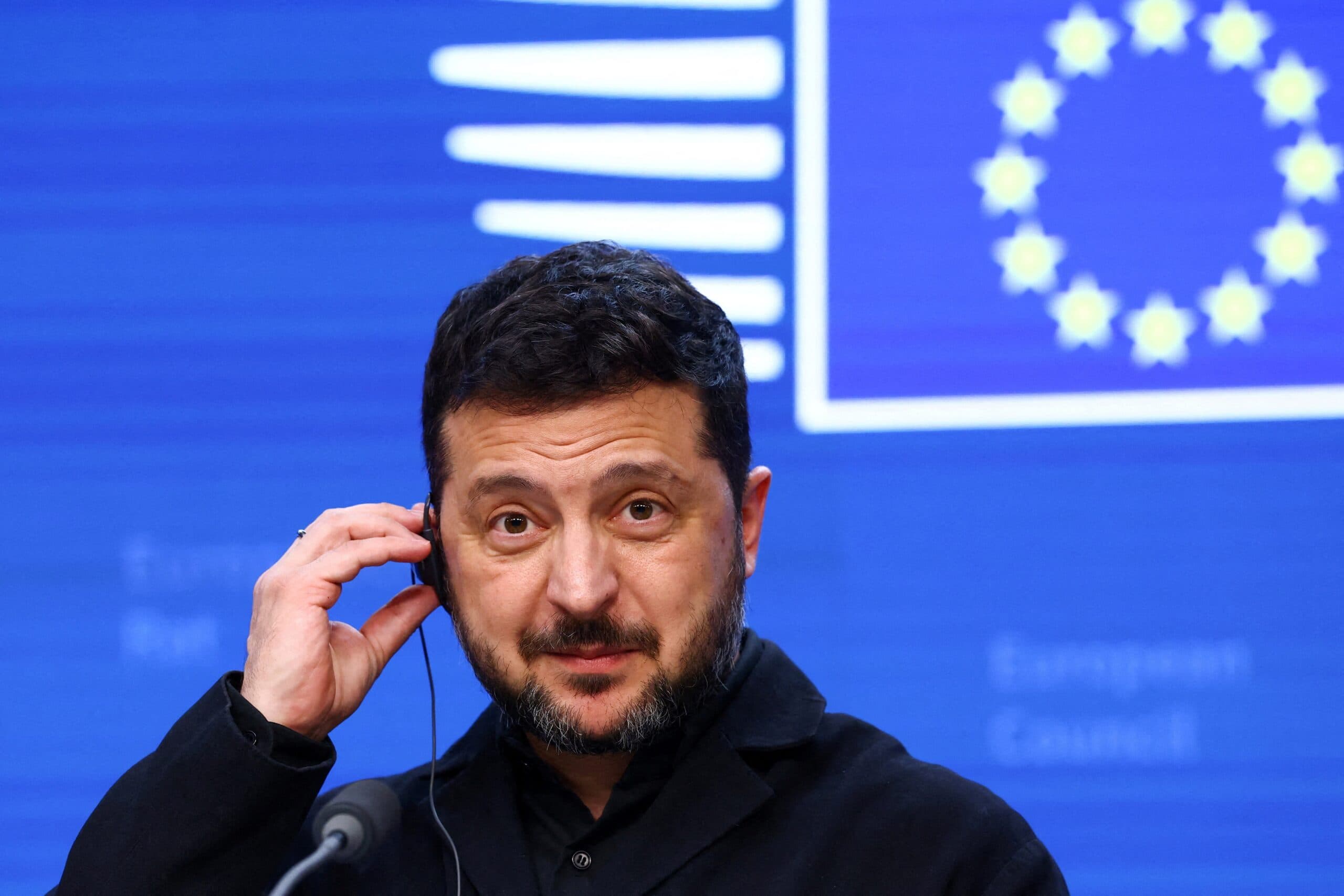
Meanwhile, the president of Ukraine, Volodymyr Zelensky, celebrated a ceasefire proposed by former US president Donald Trump, but questioned whether Russia would comply with it. The statement was made during a meeting with Mark Rutte in Ukraine, as recorded in an image released by NATO.
Zelensky’s mistrust reflects the history of violations of previous agreements by Moscow. The international community remains skeptical of the possibility of a lasting truce without robust guarantees of verification.
Europe remains on high alert, with NATO and the EU taking measures to strengthen collective defence and social resilience. The unfolding of the war in Ukraine will continue to shape the continent’s security policies in the coming months.
Read Also
Trump lifts sanctions against Russian partners
Zelensky criticizes Trump for lifting sanctions on Russia
The Kremlin celebrates Trump's suspension of sanctions
Font
Metropoles.com
The Ukrainian War (www.president.gov.ua)