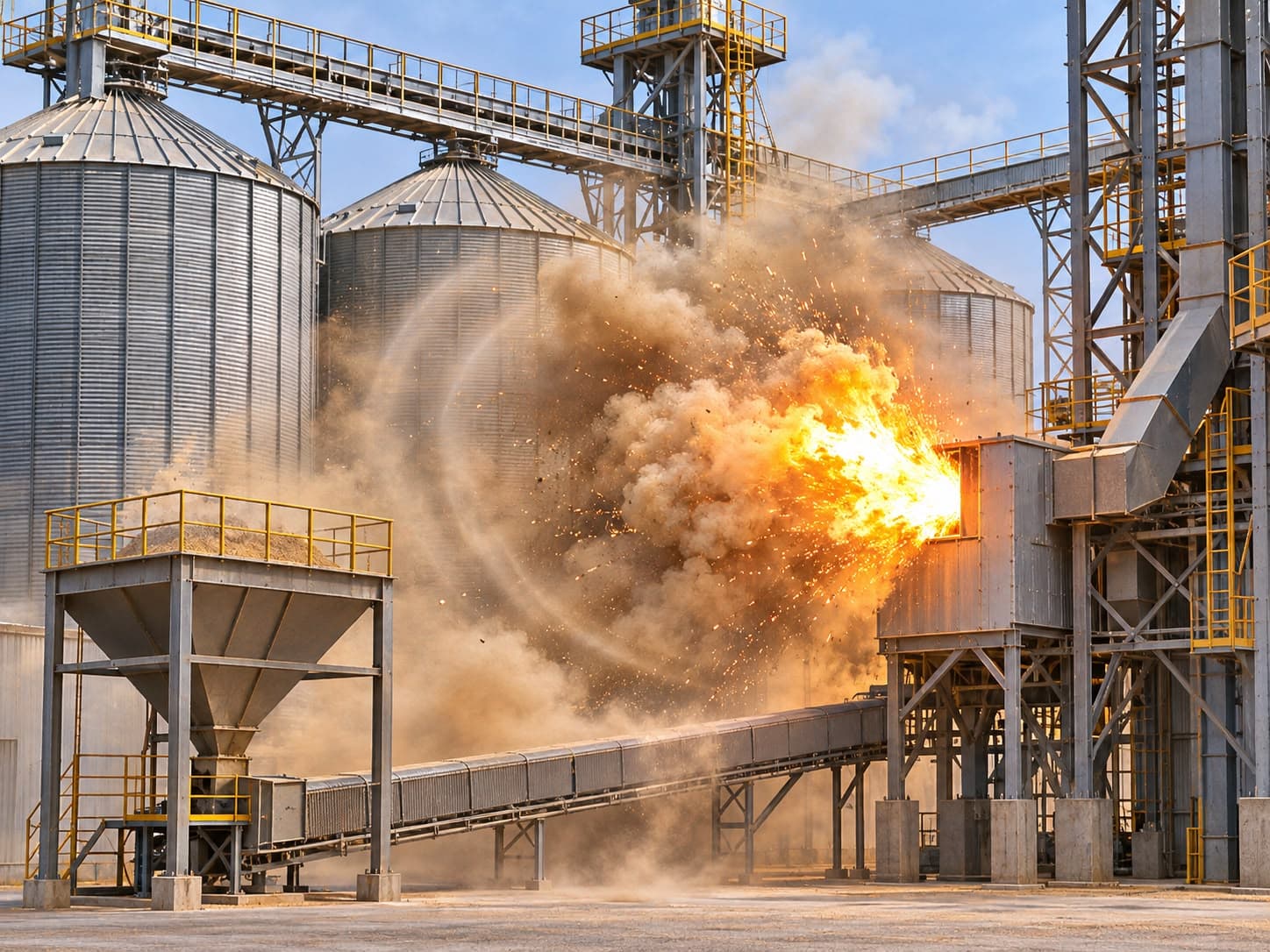
Accident in a recovery chemical boiler: lessons on industrial safety and explosion prevention, by José Aparecido Leal and Rafael Mansani
Accident in Klabin's boiler in Otacílio Costa reinforces the importance of industrial safety, explosion prevention and occupational risk management.

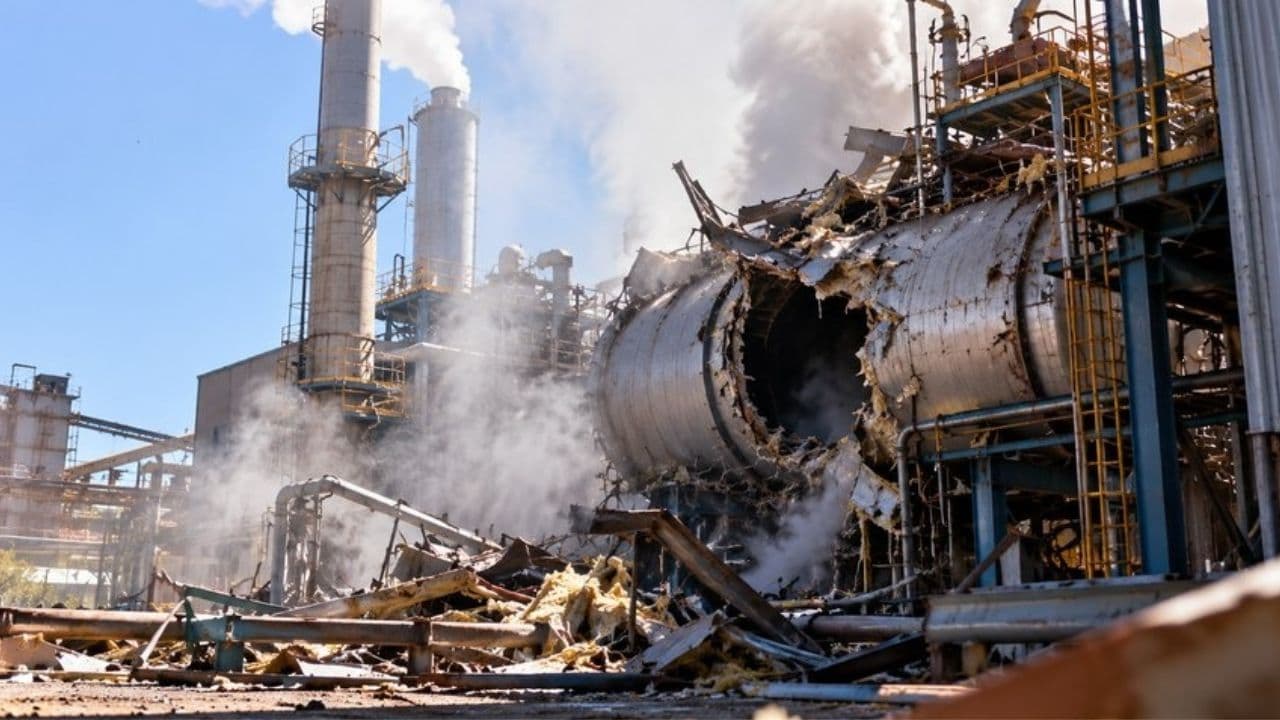
The accident that occurred on November 18, 2026, involving a chemical recovery boiler of Klabin’s industrial unit in Otacílio Costa, Santa Catarina, highlights the importance of operational safety systems, preventive maintenance, equipment integrity management and the training of workers involved in high-risk industrial processes.
According to an official statement released by the company to the market, ten workers were referred for hospital care after the occurrence. Information released by the authorities also pointed to workers with burns and other injuries, being reported leakage of chemical liquor from the boiler.
The accident reinforces a fundamental concern of Occupational Safety Engineering: the occurrence of failures in industrial equipment that operate with elevated temperatures, pressure and chemicals can produce serious consequences, even in facilities equipped with automation and control technologies.
Prevention depends on the combination of engineering measures, operational procedures, inspections, continuous monitoring and emergency preparedness.
Characterization of the accident
According to the information released on November 18, 2026, the occurrence involved the recovery boiler of the Otacílio Costa unit. The Fire Department reported that there was an explosion, without a fire record, and identified a leak of chemical liquor, a substance capable of causing burns.
The company communicated the suspension of operations, the isolation of the affected area and the conduct of technical investigations aimed at identifying the causes and circumstances of the accident.
It is important to note that, until the time of the information consulted, there was no public technical confirmation of the initial cause of the explosion. Therefore, any association of the event to specific failures of maintenance, operation, instrumentation or management should be treated as a hypothesis to be investigated, and not as a conclusion about the company.
The operation of chemical recovery boilers
Recovery boilers are essential equipment in certain pulp industries that use the Kraft process. Its purpose is to recover chemicals used in the cooking of wood and energetically take advantage of the organic matter present in the black liquor, producing steam for the industrial process.
These equipments operate in conditions involving high temperatures, pressurized systems, controlled combustion and circulation of chemicals.
The operational complexity requires special attention to the integrity of the components, especially:
Water pipes and walls of the furnace;
Black liquor feeding systems;
Control of combustion, pressure and temperature;
Instrumentation systems, alarms and interlocks;
Safety devices and emergency stop;
Drainage, insulation and leakage control systems.
The improper interaction between water and molten material inside a recovery boiler constitutes one of the scenarios of greatest potential gravity, and may result in violent release of energy. The technical guidelines of the Black Liquor Recovery Boiler Advisory Committee (BLRBAC) establish specific recommendations for prevention and response to these situations.
Chemical Recovery Boiler in the Pulp Industry: Strategic Role, Operation and Challenges
Main risks associated with recovery boilers
The preventive analysis of this type of installation should consider different accident scenarios, especially those related to the release of energy and chemicals.
Explosions and pressure release: Integrity failures, operational changes or abnormal conditions can result in ruptures, material projection and sudden vapor release.
Contact between water and molten material: improper water entry into the region containing molten salts (smelt) can provoke an extremely violent physical reaction, with the potential for explosion.
Chemical and thermal burns: leaks of hot liquor, steam or other process substances can cause serious skin and eye injuries.
Instrumentation and control failures: defects in sensors, valves, alarms, protection systems and interlocks can compromise the identification and control of abnormal situations.
Exposure of workers: the presence of people in the vicinity of the equipment during an occurrence can increase the number of victims.
These risks are recognized in the safety literature of recovery boilers, but their presentation does not mean that they have been identified as causes of the Otacílio Costa accident.
Technical prevention measures
The prevention should prioritize collective and engineering measures, complemented by administrative controls and personal protective equipment.
Inspections and structural integrity — NR-13
Implement safety inspections within regulatory deadlines, thickness assessments, non-destructive examinations when applicable, record keeping and verification of components subject to corrosion, fatigue and wear. Interventions should be conducted with responsabilidade técnica from a licensed professional.
Monitoring and protection systems
Continuously monitor pressure, temperature, water level, liquor feed and combustion parameters. Periodically test alarms, interlocks, safety devices and emergency stop systems, with strict control of changes and temporary locks.
Preventive and predictive maintenance
Establish maintenance plans based on critical components, failure trends and operational history. Any relevant anomaly shall be evaluated technically before the continuation of operation.
Emergency Preparedness
Maintain specific procedures for leaks, suspected entry of water into the furnace, critical deviations and explosion risks. Implement evacuation alarms, protected routes, isolation of areas and periodic simulated with the participation of operators and emergency teams.
The measures shall comply with NR-13 and the specific technical recommendations for recovery boilers, including BLRBAC publications.
Occupational risk management and training
The training of workers is a fundamental measure to recognize abnormal operating conditions and respond adequately to emergencies.
The training programs shall contemplate the hazards associated with recovery boilers, the interpretation of alarms, safe operating limits, stop procedures, leak recognition and evacuation of critical areas.
Preventive management shall take into account in particular:
NR-01: identification of hazards, risk assessment, implementation of prevention measures and integration into the Risk Management Program (RMP).
NR-06: selection, supply, use, conservation and replacement of PPE appropriate to the risks.
NR-12: Requirements applicable to the safety of machinery, equipment and protective systems.
NR-13: safety requirements in the installation, operation, maintenance and inspection of boilers and equipment covered.
NR-26: Safety signage, chemical identification and hazard communication.
An especially important measure is change management. Changes to equipment, operating parameters, procedures, instrumentation or protective systems shall be preceded by a technical risk assessment.
Technical investigation of the accident
The investigation of an explosion in a recovery boiler should not be limited to the identification of the failed component. It is also necessary to examine the operational conditions and safety barriers existing before the event.
It is recommended that the responsible team evaluate:
History of inspections, maintenance and boiler integrity.
Operation records, alarms, trends and events prior to the occurrence.
Conditions of control systems, interlocks and protective devices.
Possible mechanisms of leakage or release of materials.
Operational procedures, training and decisions during the abnormal situation.
Positioning of workers, alarm systems and emergency response time.
The investigation must identify immediate causes, contributing factors and possible failures in preventive barriers, without establishing responsibility or guilt.
Recommendations for improvements in security management
In addition to meeting the regulatory requirements, it is recommended that industrial facilities with recovery boilers adopt systematic process risk assessments, using, where relevant, methodologies such as HAZOP, analysis of failure modes and their effects (FMEA) and analysis of protection layers (LOPA).
Preventive indicators related to equipment integrity, operational deviations, critical system testing, pending maintenance and training effectiveness should be established.
Another relevant measure is the definition of clear criteria for the safe cessation of activities where conditions are identified that could put workers at serious and imminent risk.
The return to operation after an event of great potential must be conditioned on the investigation of the causes, evaluation of the integrity of the equipment, implementation of corrective measures and verification of safety by technically qualified professionals.
Conclusions
The accident that occurred at Klabin’s industrial unit in Otacílio Costa on November 18, 2026, demonstrates the potential severity of events involving chemical recovery boilers and the importance of preventing industrial accidents.
Although the specific causes of the occurrence still depend on the conclusion of the technical investigations, the episode highlights the need to maintain risk management processes capable of identifying hazardous situations in advance, ensuring the integrity of equipment and protecting workers against unexpected releases of energy and chemicals.
The effective application of NR-13, associated with NR-01 and international good practices of safety of recovery boilers, represents an essential basis for reducing the likelihood and severity of these events.
Industrial safety should not be assessed only by the absence of accidents, but mainly by the ability of organizations to identify hazards, control risks, and prevent operational or technical failures from turning into tragedies.
The protection of life must remain a non-negotiable priority at all stages of the production process.
Technical and informative references
Ministry of Labour and Employment. Norma Regulamentadora no 13 — Boilers, Pressure Vessels, Pipes and Metal Storage Tanks.
BLRBAC — Black Liquor Recovery Boiler Advisory Committee. Guidelines and recommended practices for recovery boilers.
Klabin S.A. Relevant Fact — November 18, 2026.
Reuters. News about the explosion and the care of workers — 11/18/2026.
Thank you for reading and until the next article.
Keep up with our weekly articles. For topic suggestions, please contact (42) 99997-4979.
José Aparecido Leal and Rafael Mansani