Adhemar Ferreira da Silva: lesson in overcoming on Cancer Fight Day
The journey of Olympic double champion Adhemar Ferreira da Silva, who won despite severe tooth pain in Melbourne 1956, inspires reflection on resilience on National Cancer Fight Day. The date reinforces the importance of not giving up in the face of challenges in oncological treatment.

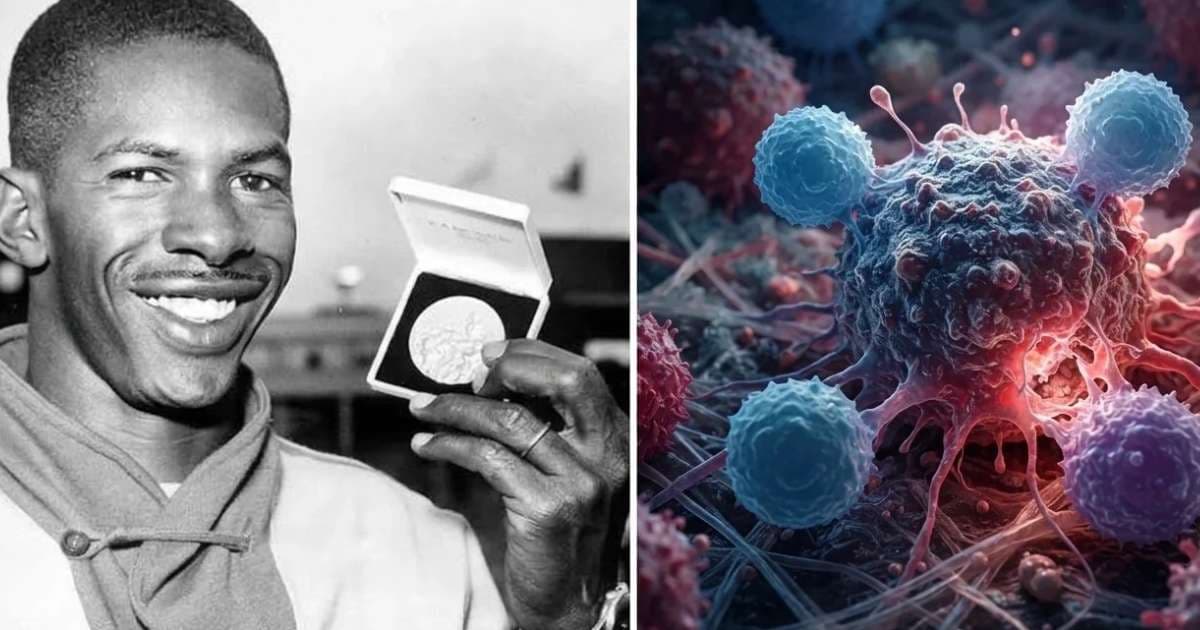
On November 27, 1956, Adhemar Ferreira da Silva made history by winning the bi-Olympic championship in Melbourne, Australia. A few days earlier, however, an unexpected problem nearly took him out of competition: an inflamed tooth caused so much pain that he could barely rest his feet on the ground. The athlete, who even in the face of adversity reached gold with 16.35 meters and a new Olympic record, serves as an inspiration for those who face the challenges of cancer on a daily basis.
Severe pain almost prevented the test
Three days before the competition, the situation seemed unsustainable. The dental inflammation caused such acute suffering that the athlete could not even stand, an essential condition for the jumps. It was then that a dentist managed to solve the problem in time, allowing Adhemar to recover minimally for the dispute. The source did not detail the procedure carried out, but the relief was enough for him to compete.
The episode illustrates how seemingly insurmountable obstacles can be overcome with proper intervention and determination. In the oncological context, intense pain and side effects of treatment often require rapid adjustments and expert support for the patient to continue his struggle.
Olympic record and first Brazilian bi-champion
On November 27, Adhemar entered the track and won the gold medal in the triple jump, with the mark of 16.35 meters, setting a new Olympic record. With this achievement, he became the first Brazilian Olympic bi-champion, a milestone that echoes to this day in the national sport. Its performance, achieved under adverse conditions, reinforces the idea that excellence can emerge even in the midst of pain.
The achievement gains special significance on November 27, National Cancer Fighting Day. The date reminds thousands of people who face daily the challenges of a diagnosis and treatment, often with physical and emotional pain comparable to that which almost prevented the athlete from competing.
Routine of sacrifices and discipline
In a statement to the Museu da Pessoa, Adhemar said he worked in the morning and afternoon, studied at night and took advantage of lunch time to train. This exhaustive routine demonstrates how dedication and the organization of time were fundamental for him to reconcile obligations and dreams. The discipline of athletes serves as an example for cancer patients, who often need to reorganize their lives to accommodate consultations, chemotherapy sessions, radiotherapy, and recovery periods.
Just as Adhemar took advantage of each interval to improve, many patients find strength at small moments of the day to take care of themselves, seek support, and maintain hope. The treatment routine requires resilience similar to that of a high-performance athlete, with daily goals and exceeding limits.
National Cancer Fighting Day
The National Day to Fight Cancer, celebrated on November 27, was instituted to raise awareness of the disease, its risk factors and the importance of early diagnosis. The date also serves to enhance health professionals and support networks that work in cancer care. The story of Adhemar, with his victory over pain and adversity, is often remembered as a metaphor for the fight against cancer.
Although the claims do not establish a direct relationship between the athlete and the oncological cause, the coincidence of dates allows a reflection on the importance of not giving up in the face of obstacles. The example of the two-time Olympic champion shows that even when the body hurts and circumstances seem unfavorable, it is possible to achieve extraordinary results with perseverance and adequate support.
Inspiration for patients and family
For those facing cancer, every day is a competition against time, pain and tiredness. The trajectory of Adhemar Ferreira da Silva offers a parallel: he did not give up even when the pain prevented him from standing, and found in dental treatment the solution to move forward. Likewise, cancer patients depend on medical treatments, psychological support, and family support to continue.
The central message is clear: not giving up is the first step in overcoming any challenge. The date of November 27 thus unites the memory of a historic sporting achievement and awareness of a disease that affects millions of people around the world.
The Boca no Trombone Portal from Ponta Grossa, Paraná, invites readers to reflect on the importance of resilience and healthcare. Follow our upcoming reports on inspiring stories and useful information for the well-being of the Campos Gerais community.
Read also
Persistent hoarseness may indicate thyroid cancer
Man discovers rare tumor in spine after back pain
With more than 52,000 seniors, PG faces challenges in the protection network
Font
www.terra.com.br
dentist (saudelab.com)