Man discovers rare tumor in spine after back pain
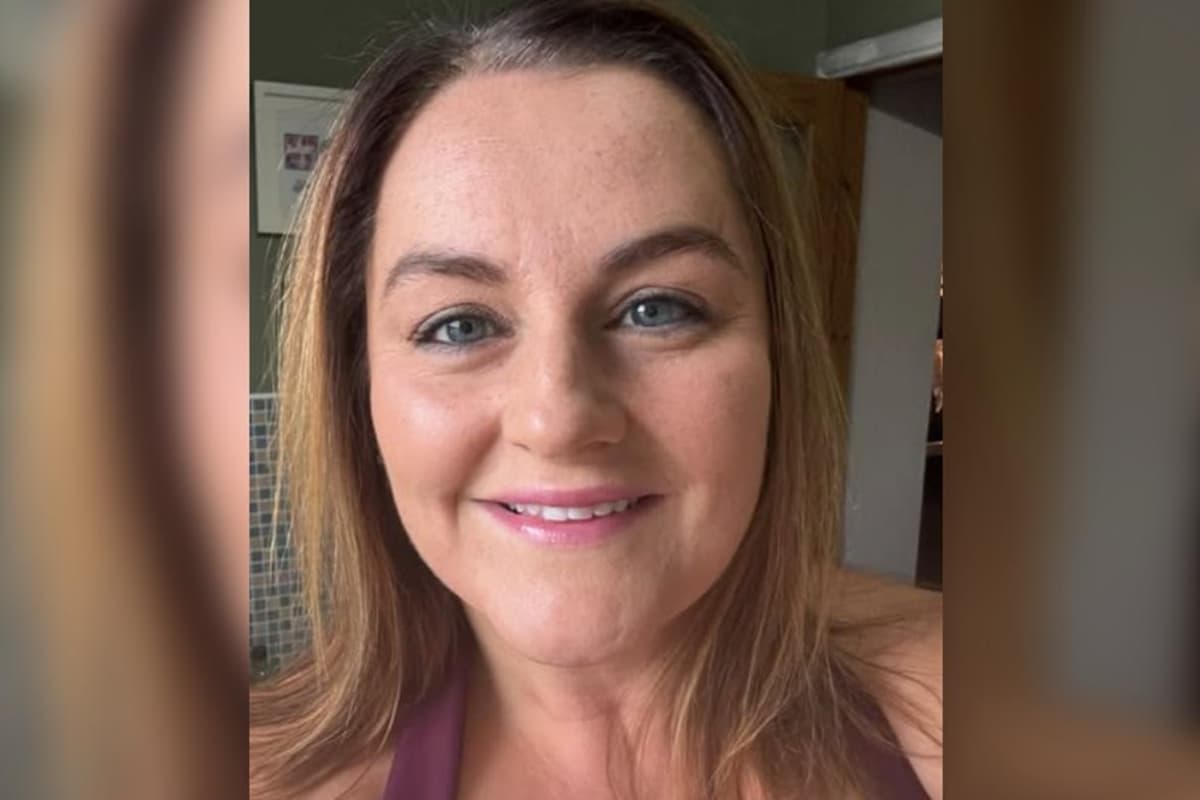
Shaun Robinson, 41, started feeling lower back pain at 22, but the doctor attributed the discomfort to his height. Years later, an MRI revealed a rare tumor in the spine. The disease progressed, and in December 2025, he learned the condition was terminal.


Shaun Robinson, 41, has been living with low back pain for nearly two decades, which the first doctor to see him said was only a consequence of his height. The initial diagnosis, given when he was 22, recommended only the use of paracetamol or ibuprofen. Years later, an MRI revealed a rare tumor in the spine, completely changing its history.
The late discovery started a long battle against the disease, which included surgery, radiation therapy and chemotherapy. In December 2025, days before Christmas, Shaun received the news that the picture was terminal. Today, he uses a wheelchair and relies on his wife for basic day-to-day activities.
First surgery and permanent sequelae
In 2018, a few months before the birth of her first daughter, Shaun underwent a 12-hour operation to remove the tumor. In the account of the cow created by the family, he says that he had permanent changes in the functioning of the bladder and intestine after surgery. Despite the sequelae, the procedure was necessary to contain the progression of the disease at that time.
The surgery marked the beginning of a cycle of treatments that would extend into the following years. The family, however, maintained the hope that the tumor would not grow back.
Reappearance and new rounds of treatment
In 2021, the tumor grew back and another appeared at a higher point of the spine. Shaun had two more surgeries and had radiation therapy. In 2023, already painless, he believed that the disease had stabilized. The following year, however, a routine examination showed that the tumors had grown back, which led to a new round of radiation therapy.
The sequence of tests showed that the disease had spread. In October 2025, Shaun underwent another surgery after the disease hit the pelvis. In November of the same year, during a hospital stay for infection, tests detected tumors in the lungs and ribs.
Terminal diagnosis and chemotherapy
In December 2025, days before Christmas, Shaun received the news that the disease was terminal. He says he started chemotherapy in January of this year in an attempt to curb the spread of the disease. According to him, the tests done since then have shown that the tumors have continued to grow.
Chemotherapy failed to slow the progression of the disease. In early September 2026, Shaun was still playing golf. In that month, he began to lose sensitivity in his legs. In October, he was paralyzed from the chest down.
Vertebral collapse and paralysis
According to Shaun, the fifth thoracic vertebra, located in the upper back, collapsed and began to press on the spinal cord. A new surgery was considered risky, with little prospect of relief. The paralysis quickly set in, drastically changing his routine.
Now Shaun uses a wheelchair and relies on the help of his wife, Hannah, to dress, bathe and get out of bed. The family opened an online cow to turn the playroom on the ground floor into a dormitory, build an accessible toilet and pay for mobility equipment.
Shaun Robinson’s story serves as a wake-up call to the importance of investigating persistent pain, even when it seems to have simple explanations. The family continues to seek support to provide mais conforto and dignity in the coming months.
Read also
Persistent hoarseness may indicate thyroid cancer
Font
Metropoles.com
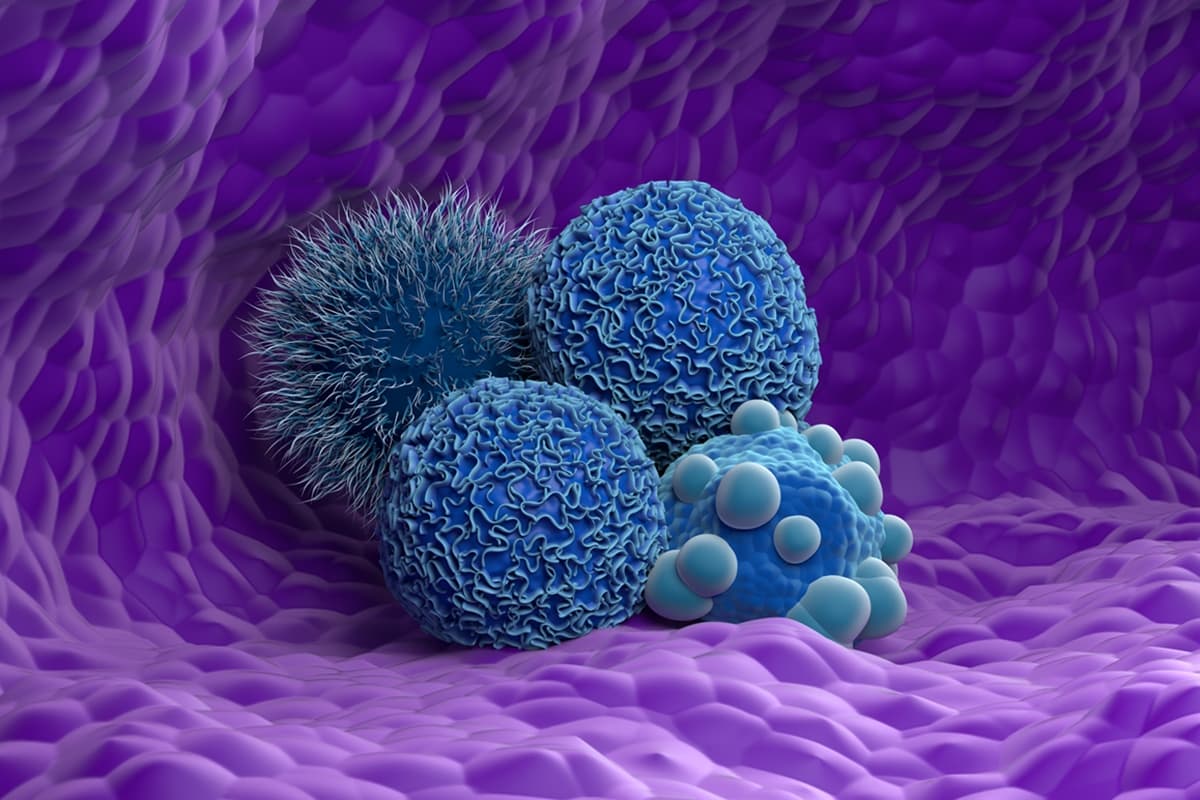
ependymoma mixopapilar (www.msdmanuals.com)
Cow raised by the family (www.gofundme.com)