Are you left or right? BnT Quiz helps discover
With 24 questions about everyday situations, the test presents a map of your ideas on economy, customs and state power

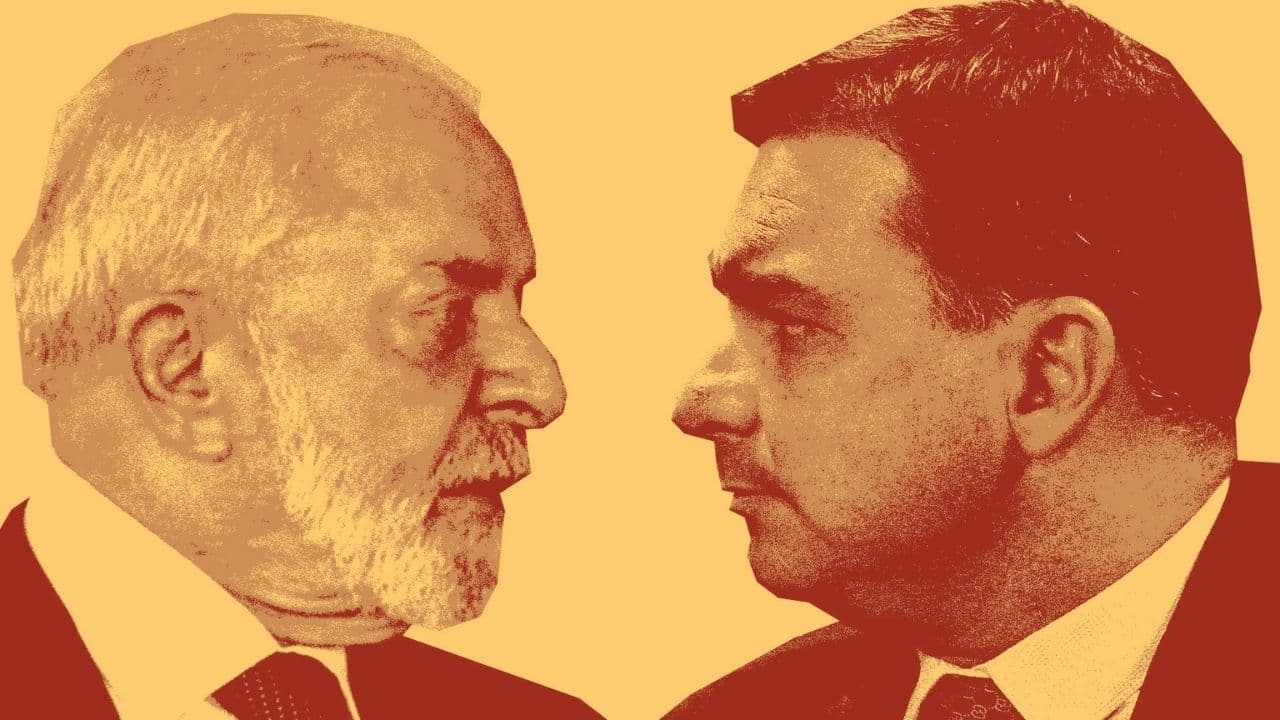
Do you consider yourself left, right or center? And when the subject changes from taxes to customs, do your opinions remain on the same side? The BnT Online has created a political quiz for those who want to explore these issues in a simple, interactive and relaxed way.
The proposal is to answer 24 statements and discover how their choices are distributed in three dimensions: economy, customs and authority. The test takes approximately five minutes and can be done by mobile or computer, without the need for registration.
Click here to open the quiz
How the quiz works
In each question, the participant indicates how much he agrees or disagrees with a statement. The alternatives range from “totally disagree” to “totally agree”, with an intermediate option for those who do not agree or disagree. It is also possible to tick “I don’t know / I prefer not to answer”. In this case, the question is outside of the calculation of the score.
The themes include tax collection, public services, participation of private companies, cultural traditions, diversity, freedom of expression and limits of state power. There are no right or wrong answers: the outcome depends on the choices of each person.
Before completing, the participant can review all the answers and change any of them.
Your result goes beyond a label
In the economic dimension, the quiz observes the preference for greater participation of the State and redistribution of income or for greater space for the market. On the axis of customs, the questions explore positions on the preservation of traditions and social changes. The dimension of authority addresses the balance between state power, popular participation and civil liberties.
The map combines economy and authority. The position on customs appears on a complementary scale, allowing to observe differences between the themes. Thus, a person may present a right-wing economic trend and more progressive positions in customs, for example. Another may advocate greater state participation in the economy and prefer to preserve traditional values.