Black Cat: Fur Color Does Not Define Behavior
On National Black Cat Day, celebrated on November 17, experts emphasize that fur color does not influence feline behavior. A study published in 2026 points out that black cats are perceived as less adoptable, but veterinarian Haltiane Alves states that what differentiates an animal is its history and socialization.

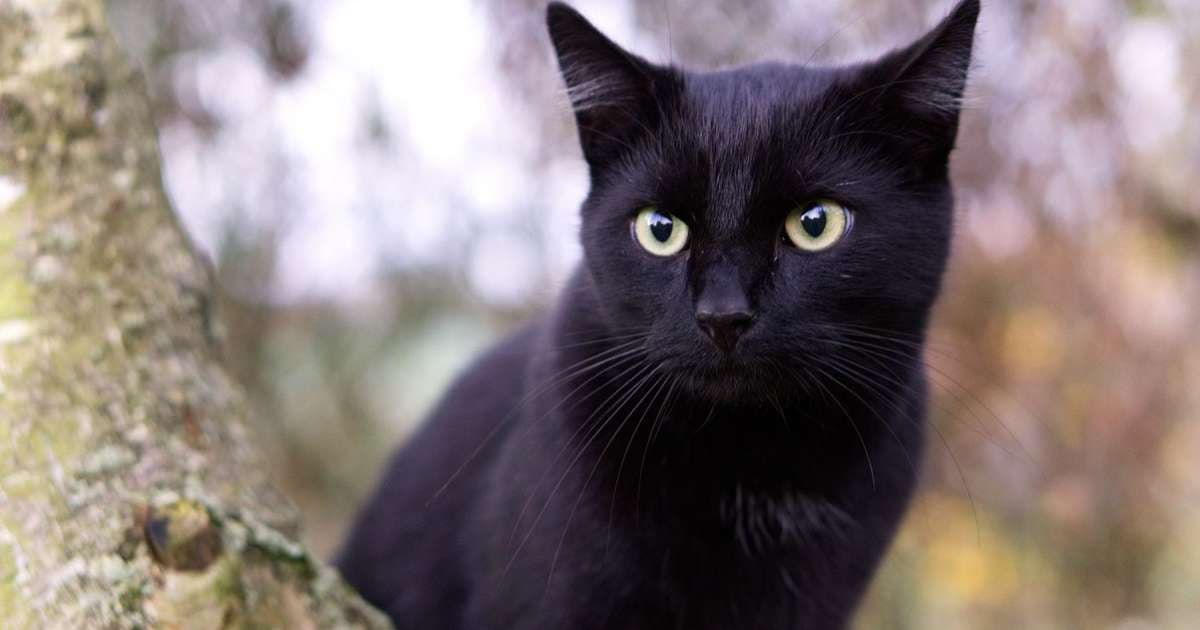
The National Black Cat Day, celebrated on November 17, draws attention to animals that still carry historical associations with superstition and bad luck. The prejudice, however, says nothing about how the feline will behave or what care it will require after adoption.
Black cats can be perceived differently in adoption ads, although their needs are the same as other cats. The veterinarian Haltiane Alves explains that the color of the coat is not a determining factor for the temperament of the animal.
Color of the coat does not influence behavior
“The black cat has the same needs as any other cat. What differentiates an animal from another is the history, age, socialization and environment in which it lives. The color of the hair does not interfere with this,” says Haltiane Alves.
What can change, curiously, is the way people see these animals before they even know them. A study published in 2026 in the scientific journal Animals investigated precisely this perception.
Study reveals bias in adoption
The study listened to 1,004 people in the Estados Unidos and evaluated their reaction to photographs of cats available for adoption. In the images, black cats received less favorable adoption ratings than white and slit animals.
In addition, participants reported greater difficulty in interpreting their expressions and attributed emotions such as fear and anger more often. Interestingly, the superstition declared by the interviewees had no significant effect on these assessments.
These results indicate that prejudice may be rooted in visual and cultural perceptions, and not necessarily in conscious beliefs. The research reinforces the importance of awareness campaigns on the adoption of black cats.
First aid after adoption
After the choice of the animal, the first care begins to involve health and adaptation. The orientation, which applies to all cats, is to schedule a veterinary consultation in the first days, preferably before contact with other pets in the house.
The arrival in the new environment should also happen little by little. "The cat needs time to recognize the environment. A reserved room, with a sandbox, water, food and a place to hide, helps in this period. The presentation to other animals in the house should be gradual," advises Haltiane.
These measures ensure a smooth transition and reduce the stress of the feline, regardless of the color of its coat. Patience and respect for the animal’s time are fundamental to a successful adaptation.
Breaking Myths and Promoting Adoption
National Black Cat Day serves as a reminder that these animals deserve the same chances as others. The color black is not an indicative of bad luck or problematic behavior, but rather an aesthetic characteristic that does not define the personality of the feline.
For those thinking of adopting, the recommendation is to look beyond the coat and consider the history and individual needs of each cat. With proper care, a black cat can be a loving and loyal companion.
The Boca no Trombone Portal will continue to track animal welfare issues and bring useful information to readers of Ponta Grossa and the region.
Font
www.terra.com.br