Brazil eyes partnerships for critical minerals and rare earths
The Brazilian government aims to attract foreign investments to develop productive chains for critical minerals and rare earths, prioritizing partners that process the materials within the country. China dominates refining, but powers such as the U.S., European Union, India, Japan, and South Korea are seeking closer ties. A list of 27 priority minerals will guide incentives and requirements for local processing.

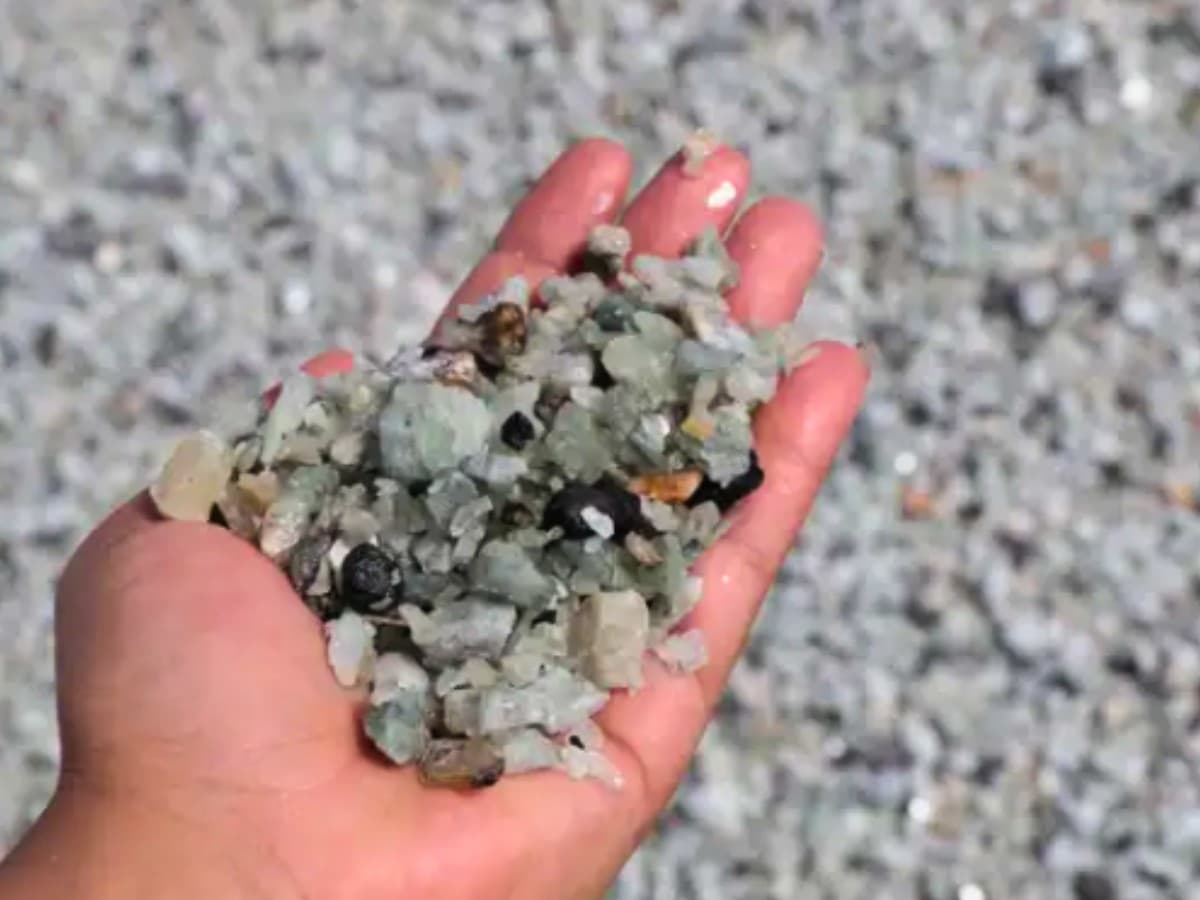
The Lula 4 government is stepping up efforts to expand the exploration of critical minerals and rare earths in Brazil, which brings together some of the world’s largest reserves of elements essential to high technology and the electrification of the economy. The strategy involves attracting foreign investments, but with a central condition: partners who agree to start processing the materials on national territory. The information was confirmed by industry sources and analysts.
In a scenario of strong world dependence on China, the main producer and exporter of these elements, the Brazilian mineral wealth attracts the interest of the main powers, starting with the Estados Unidos. The country wants to diversify its partners so as not to repeat the model of mere exporters of raw materials, in which the most profitable stages of industrialization are left to buyers.
China dominates refining and wants factories in Brazil
China is the master of refining technology and is the biggest buyer of Brazilian minerals, so you can’t ignore it. “China is the one that dominates refining technology, it is our biggest buyer, so you can’t ignore it. There are Chinese companies that want to come to Brazil and install factories here,” says economist Rafaela Guedes, a senior fellow at the Brazilian Center for International Relations (CEBRI).
The Chinese presence is seen as inevitable, but the Brazilian government seeks to balance the relationship with other strategic partners. The priority is to add value locally, preventing the country from remaining only as a supplier of raw material.
US and European Union aim for sustainable agreements
The Estados Unidos are among the main stakeholders in Brazilian reserves, amid the geopolitical dispute for secure supply chains. The European Union has been seeking agreements that contemplate the benefiting of minerals in Brazil, with a focus on contracts accompanied by guarantees of sustainability. The country has already signed memoranda with France and Spain.
These European partnerships include environmental and social requirements, aligned with the sustainable development discourse of the Brazilian government. The rapprochement with the European bloc is seen as a way of attracting capital with high standards of governance.
India, Canada, Japan and South Korea on radar
An important cooperation agreement has been signed with India, and negotiations with Canada are underway. At the same time, Japan and South Korea have sought to diversify their suppliers and get closer to Brazil. These Asian countries rely heavily on imports of critical minerals and see Brazil as a reliable alternative.
Partner diversification is strategic to reduce reliance on a single buyer and attract processing technologies. The Brazilian government wants to maintain control over materials considered strategic for national sovereignty, but fears of excessive state intervention can drive foreign capital away.
List of 27 minerals guides investments
A list of 27 critical and strategic priority minerals was released by the Plateau and divided into three classes. Class 1 brings together minerals needed for the manufacture of batteries, magnets and other components linked to electrification, areas in which China’s global dependence is still high.
“The list functions as a gateway, a necessary condition to access new instruments, such as the Guarantee Fund, of up to R$ 5 billion,” Guedes says. The division into three groups should guide decisions on the volume of credit and guarantees of the National Bank for Economic and Social Development (BNDES), tax incentives, licensing rules and local benefit requirements.
National plan in preparation
The national plan for the sector, which will define the guidelines for investments in future production chains, is being elaborated. With immense reserves, a mostly clean electrical matrix and a favorable geopolitical position, Brazil has the potential to become a relevant player in the global chains of critical minerals.
To attract partnerships, the country will need to offer regulatory predictability, infrastructure, skilled labor and economic stability. The success of the strategy will depend on the ability to balance national interests and the demands of international capital.
The Boca no Trombone Portal will continue to monitor the developments in the negotiations and the impacts on the Brazilian economy. Stay tuned for more updates on this strategic theme.
Read Also
Peru declared Land of Pope Leo XIV by decree
U.S. flight cancellations should continue, says secretary
Historical betrayals: from Clinton to Catherine the Great
Font
g1.globo.com
🗒️ Do you have any news suggestions? Send to g1 (collaborate.apps.globo.com)