British Prime Minister Signals Possible Apologies for Slavery
The British prime minister, Andy Burnham, said he is open to a formal apology for the UK's historical role in slavery, but rejected financial reparations. The statement comes ahead of the Commonwealth summit, where Caribbean leaders are expected to push for compensation.

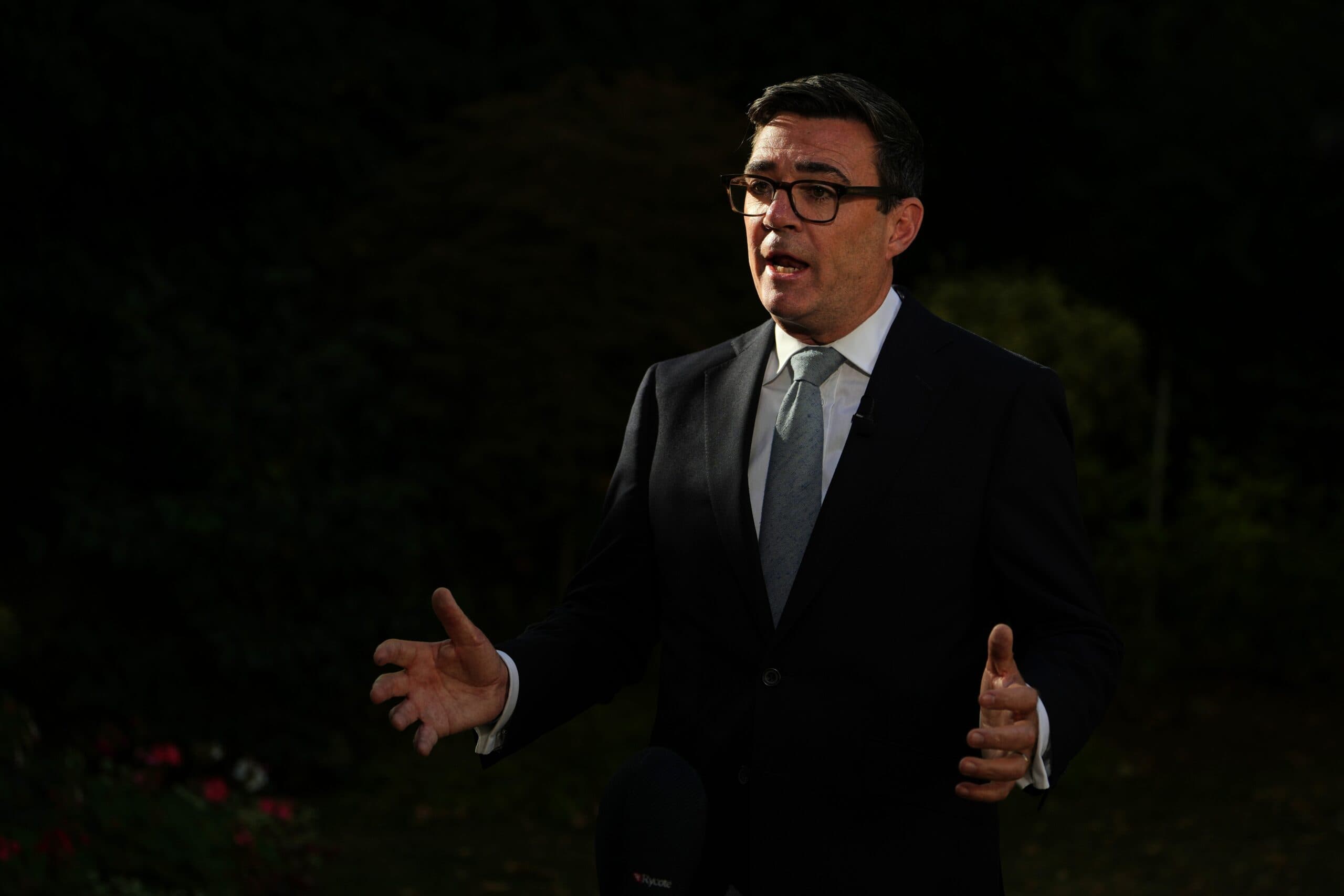
British Prime Minister Andy Burnham said he was open to the possibility of making a formal apology for Britain's historic role in slavery. The statement was made in an article published in The Guardian and comes ahead of the Commonwealth summit, scheduled for next week, in which he is expected to face pressures for financial reparations.
Burnham wrote that Britain was "offering a structured dialogue with those affected by the transatlantic slave trade". The speech signals a change of tone compared to previous governments, which avoided formal apologies.
Structured dialogue and rejection of repairs
In the article, Burnham detailed his position: to recognize the suffering caused by slavery, but without accepting financial compensation. “I do not believe that the British people of today can be held responsible for historical errors, however heinous they may be, which occurred at a different time, under different laws and in which they had no personal participation,” he wrote.
At the same time, the prime minister proposed “launching a new debt campaign” with measures to help the most vulnerable countries “pay their debts over a longer period and with better rates.” The proposal is seen as an alternative to direct repairs.
Transatlantic traffic numbers
Between the 15th and 19th centuries, millions of Africans were sold as slaves by European traders. In that period, at least 12.5 million Africans were kidnapped and sold as slaves, according to historical estimates.
Of that total, about 3.2 million were transported from Britain across the Atlantic Ocean, according to the Transatlantic Slave Trade Database. The figures reinforce the extent of British involvement in the slave trade.
Caribbean pressure before the summit
Ahead of the meeting of Commonwealth heads of government, scheduled for next week in Antigua and Barbuda, King Charles, who is on a visit to the Caribbean, said it was "just to recognize the great suffering and injustices of the past." The Royal Declaration echoes demands for historical recognition.
Caribbean leaders are expected to push for reparations, which may include debt reduction, resources for development, education, health and measures to address the effects of climate change. The agenda has gained momentum in recent years, with countries such as Jamaica and Barbados charging concrete positions from the UK.
Antigua and Barbuda Reaction
The Prime Minister of Antigua and Barbuda, Gaston Browne, welcomed Burnham’s statements and his proposals for aid to affected countries. However, he stressed in a Facebook post that the Caribbean countries’ historical position on reparations remains unchanged.
Browne did not elaborate on what the next steps would be, but said the issue would continue to be discussed during the summit. The source did not detail whether there will be a formal vote on the matter.
What to expect from the dome
The meeting in Antigua and Barbuda should put the issue of reparations at the center of the debate. While Burnham signals openness to apologies, Caribbean countries keep charging for financial and structural compensation.
The outcome of the negotiations may influence relations between the United Kingdom and the Commonwealth nations, especially in the Caribbean. The Boca no Trombone portal will continue to monitor the developments of the summit and international reactions.
Read Also
Flávio Bolsonaro suggests to run for Presidency before 2030
Putin threatens Europe and says Russia is ready for war
Mauro Vieira to hold bilateral meetings at G20 in Atlanta
Font
g1.globo.com
🗒️Do you have a report suggestion? Send to g1 (collaborate.apps.globo.com)