COP31 fails without final report after deadlock
The COP31, the UN climate summit with delegations from nearly 200 countries, ended without a final report after a deadlock on fossil fuels. Negotiations stretched for almost two days beyond the deadline and became the longest in history.

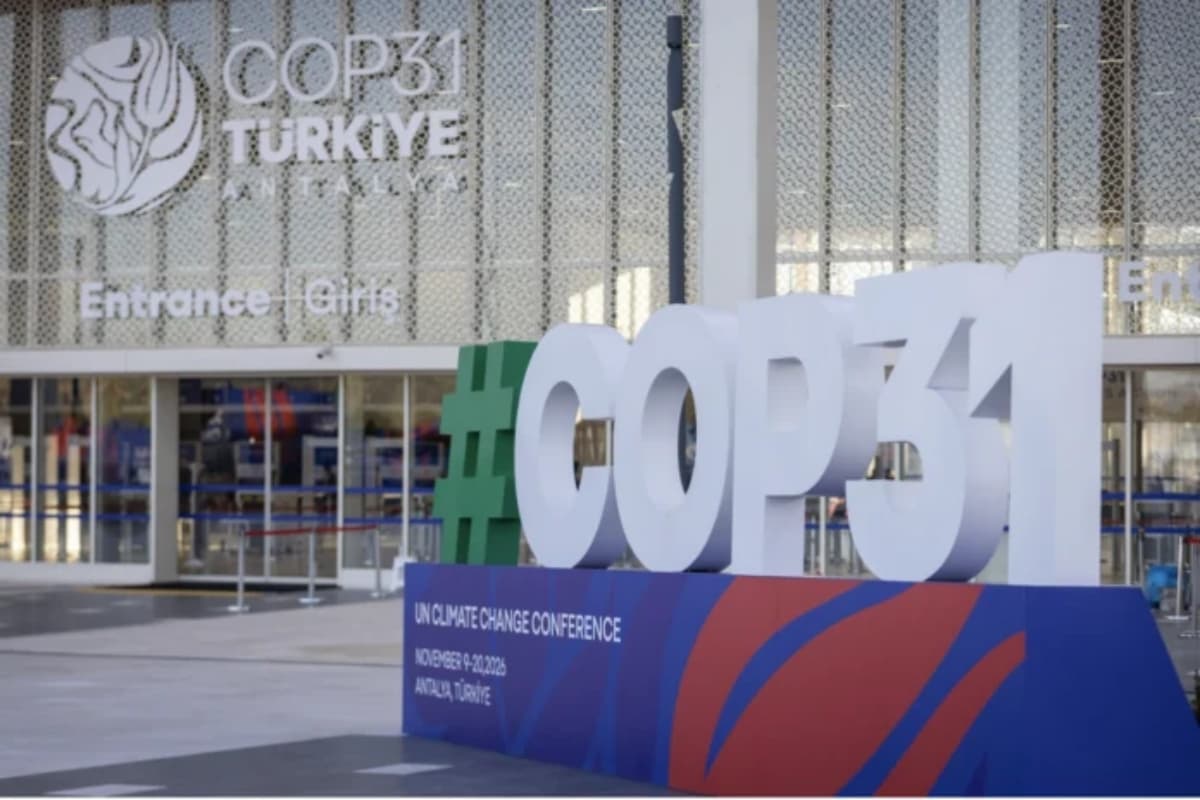
The 31st United Nations Conference on Climate Change (COP31) ended without a final report, after a stalemate in negotiations on fossil fuels. The talks spanned nearly two days beyond the official deadline, making it the longest UN climate summit ever held. Despite attempts at conciliation, there was no consensus among the delegations of nearly 200 countries present.
The conference, which was due to close on schedule, saw negotiations stalled under pressure from major oil producers, especially Saudi Arabia and Russia. These countries have acted to prevent advances in resolutions that establish clearer commitments to move away from fossil fuels. The lack of final agreement reflects the deep division among nations over the pace of the energy transition.
Impasse marks record-breaking negotiations
The talks lasted nearly two days beyond the official closing deadline. The conference, which brought together delegations from nearly 200 countries, became the longest UN climate summit ever held. Despite attempts at conciliation, there was no consensus.
The central impasse revolved around the mention of fossil fuels in the final document. Oil-producing countries resisted any language that signaled a clear departure from these energy sources. The absence of an agreed text left COP31 without a formal outcome.
Pressure from oil producers
The talks were marked by pressure from major oil producers, especially Saudi Arabia and Russia, to prevent advances in resolutions that set clearer commitments to move away from fossil fuels. This stance stalled discussions and prevented the adoption of a final report.
The resistance of these countries contrasted with the position of other nations, who advocated a stronger language on reducing the use of oil, gas and coal. Without a deal, the conference ended without meeting its main goal of advancing the global climate agenda.
Criticisms of European Ministers
Germany’s Meio Ambiente minister, Carsten Schneider, criticized the proposal and said the document represented a setback. Ireland’s climate minister, Darragh O’Brien, said it was inconceivable to pass a climate agreement without any reference to fossil fuels.
The statements reflect the dissatisfaction of European countries with the lack of ambition of the text under discussion. The lack of mention of fossil fuels was seen as a failure in the negotiations, especially in the face of the climate urgency pointed out by science.
Climate finance without clear targets
The proposal presented at COP31 was to triple the resources allocated to climate adaptation, but did not set a clear reference value for the commitment. A target of $120 billion per year, discussed in previous versions of the document, has been withdrawn from the final drafting.
The lack of a specific number has weakened the proposal, according to observers. Without a defined financial goal, the commitment to triple resources has become vague and difficult to collect. The lack of financial guarantees has provoked dissatisfaction among African countries, small island nations and other developing economies, which consider insufficient the promises made by the richest nations.
Vulnerable people charge more money
Marshall Islands delegate Jetnil-Kijiner criticized the lack of resources and said the most vulnerable countries cannot cope alone with the effects of the aquecimento global. The speech echoed the feeling of frustration of island and low-income nations, which face the most severe impacts of climate change.
These countries have pushed for more robust and predictable financing for adaptation and loss and damage. However, the withdrawal of the $120 billion annual target from the final text left the promises without concrete ballast. COP31 ended without answers to the demands of the most affected.
The failure of the conference to produce a final report leaves the global climate agenda on hold. The lack of consensus on fossil fuels and funding postpones decisions crucial to addressing the climate crisis. The next summit will have the challenge of resuming negotiations and overcoming the divisions that marked COP31.
Read Also
Trump criticizes EU spending on Ukraine, Zelenskiy says
Russian attacks in Kiev leave at least 10 dead
Gilmar admits overexposure on STF and asks for self-containment
Font
Metropoles.com