By 353 votes in favor, Chamber approves fiscal adjustment bill
353 votes in favor, 128 against and five abstentions.

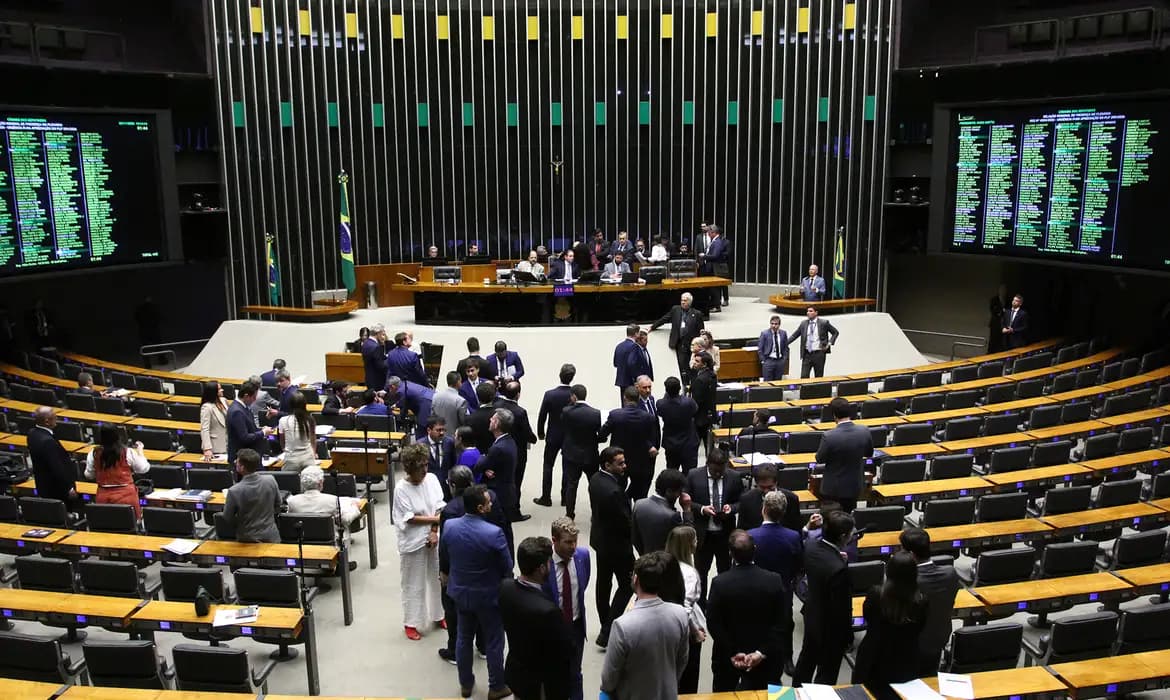
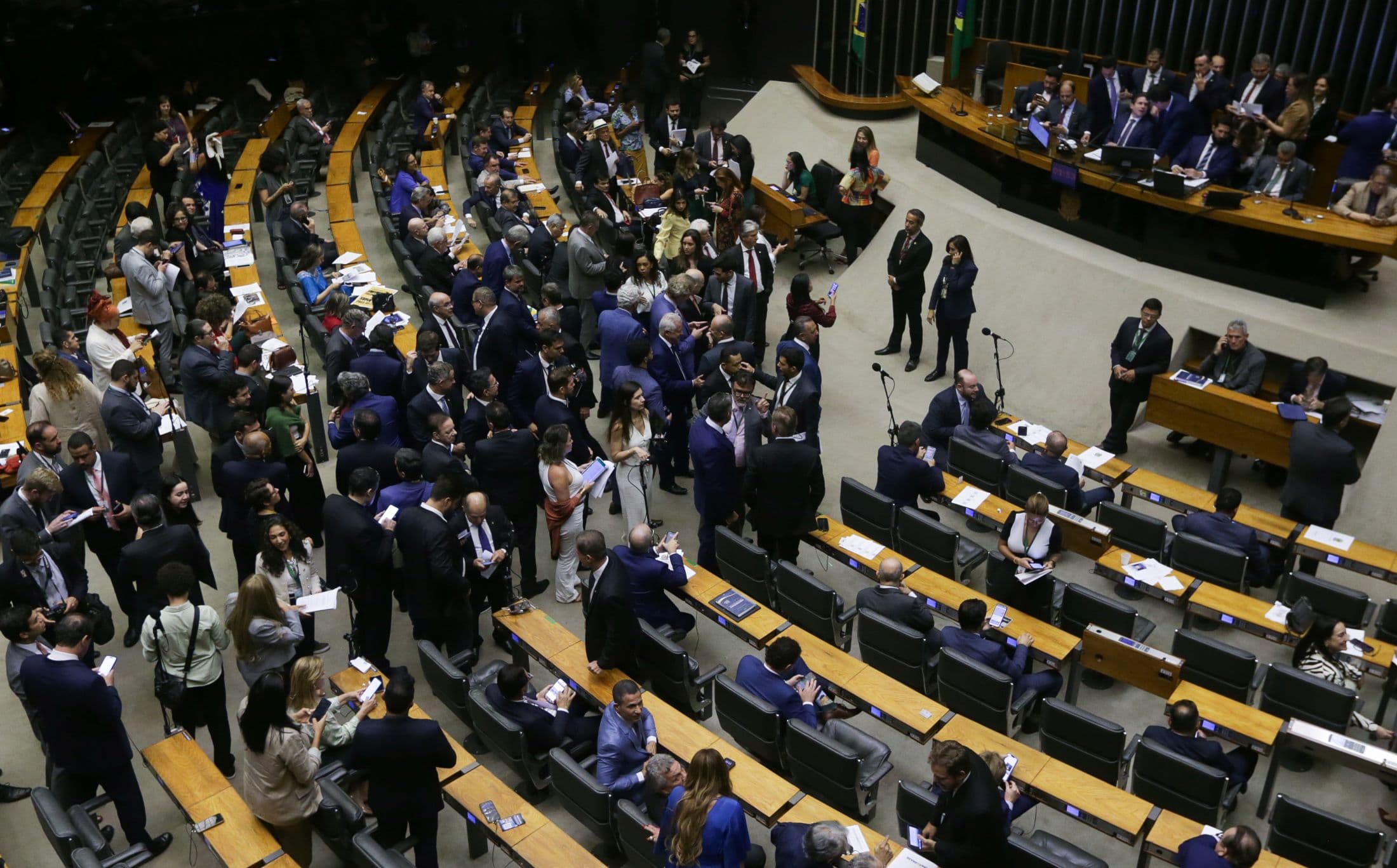
The Chamber of Deputies approved on Monday night (23) the base text of the complementary bill that provides for fiscal adjustment in public accounts in 2027.
There were 353 votes in favour, 128 against and five abstentions. The rapporteur for the draft, Mr Mauro Benevides Filho (EU-EC), presented an opinion for the approval of the draft without amendments.
The project foresees a reduction in expenditures to reach a primary surplus of about R$ 18.7 billion next year.
MEPs will also discuss the highlights, which are changes in certain points of the project.
The text of the fiscal adjustment was approved by the Senate last Wednesday (18).
Understand the adjustment
The project envisages measures to reduce expenditures and increase revenues, with an estimated savings of between R$ 45.1 billion and R$ 56.1 billion in 2027.
The projection considers both the increase of the collection and the control of the expenses and refers to the so-called primary result, the difference between what the government collects and what it spends before the payment of the interest of the debt.
Among the items of the text is a change in the fiscal framework to allow the government to make additional spending blocks to achieve the fiscal target and, from next year, reduce from 2.5% to 2% the growth limit of spending above inflation in the years in which containment measures are adopted.
The project also reduces tax benefits, allows to postpone part of the transfers to states and municipalities provided for in the Kandir Law and establishes a period of 120 days for the Congress to regulate payments above the ceiling of the public service, currently of R$ 46,300.
The text provides for the transfer of R$ 2 billion annually from the Union to the states, based on the Kandir Law, between 2028 and 2030. In the original proposal of the fiscal adjustment, the government reduced this transfer from the current value of R$ 4 billion to R$ 1 billion per year, and postponed the remainder of the payment in a installment form between 2031 and 2037.
In force since 1996, this law exempted exporters of agricultural and industrialized products from paying ICMS, a state tax, with the aim of stimulating exports and the competitiveness of Brazilian products. As the exemption affected the state collection, the Union remained to guarantee the compensation, which never occurred on a regular basis.
Since 2020, however, Complementary Law 176 has ensured transfers from the federal government to the states in the amount of R$ 4 billion per year, until 2037. The reforma tributária enacted in 2023 eliminates ICMS and maintains the exemption for products destined for export.
With information Agência Brasil
Also read: Deaths recorded in Ponta Grossa and region on Tuesday (24)