Chamber approves rules for gluten-free meals for celiac patients in hospitals of PG
Ponta Grossa Chamber approves project that provides gluten-free meals for celiac patients in public and private hospitals

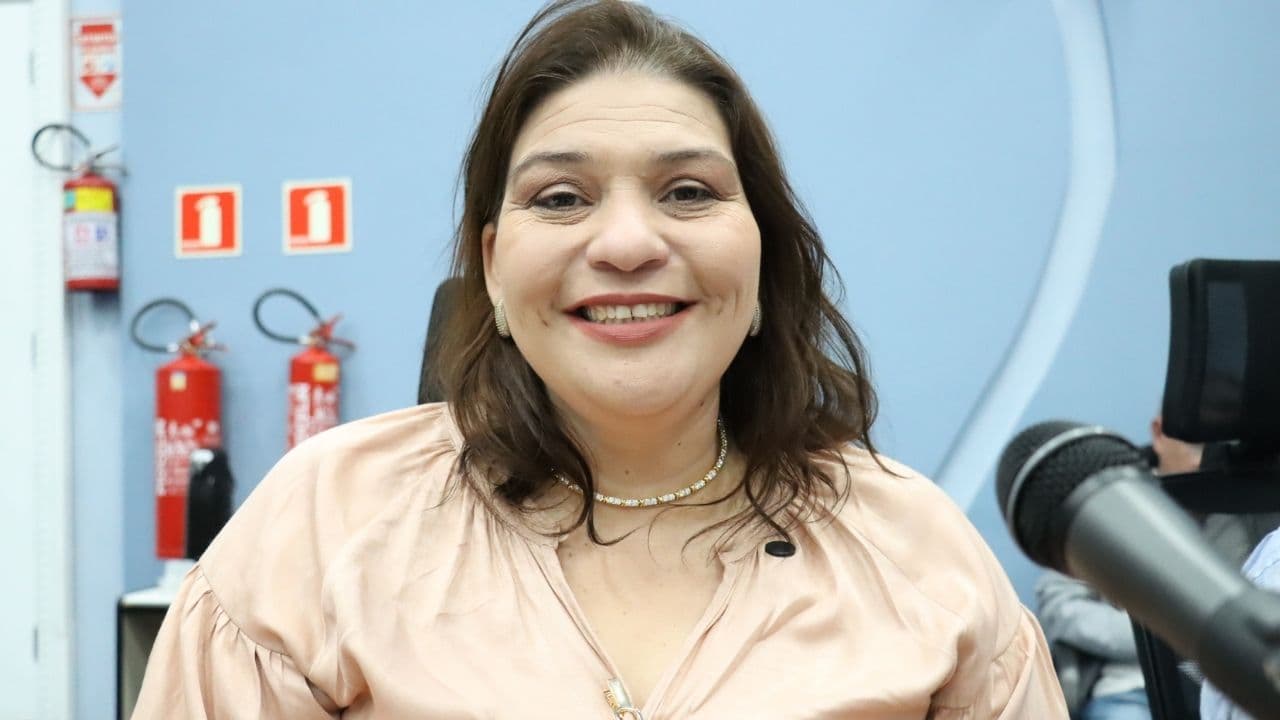
The Câmara Municipal de Ponta Grossa (CMPG) approved, on Monday (26), the Bill No. 265/2026, authored by the councilor Nurse Marisleidy (Democrat) which establishes measures to ensure safe food for people with celiac disease in public and private hospital units of the municipality. The proposal also sets out rules to prevent cross-contamination by gluten during meal preparation and distribution.
According to the text, health facilities should make gluten-free diets available to patients diagnosed with celiac disease, according to medical or nutritional prescription. Meals should meet the nutritional needs of patients and respect health standards and good food handling practices.
The proposal stipulates that all the steps, from preparation to storage, transport and distribution of meals, be carried out in such a way as to avoid contact with foods containing gluten. Whenever possible, exclusive environments, utensils, equipment and containers should be used for the preparation of meals. When there is no exclusive structure, hospitals should adopt specific protocols of hygiene, handling and separation of food. The same requirements will apply to outsourced food services.
The project also establishes rules for the supply of industrialized food to celiac patients. The products must be within the expiration period, with complete packaging, express identification that they do not contain gluten and compatibility with the prescribed diet.
In cases where there is a need to heat meals, the procedure should be performed on previously sanitized or exclusive equipment for gluten-free foods. The entry of meals prepared by family members or guardians will also be allowed, provided there is authorization from the medical or nutritional team and the sanitary norms of the establishment are respected.
Another point foreseen is the periodic guidance of professionals involved in food handling. The trainings should address celiac disease, the risks of cross-contamination, good practices for the preparation of gluten-free foods and the current sanitary standards.
The text also foresees the possibility of the Executive Power promoting educational campaigns on celiac disease, focusing on the importance of early diagnosis, treatment through a gluten-free diet and prevention of cross-contamination.
In case of non-compliance, private establishments will be subject to the penalties provided for in municipal health legislation, without prejudice to other penalties. In public establishments, irregularities must be investigated by means of their own administrative procedure.
The proposal states that the law will enter into force 90 days after its official publication.
Read also: Civil Police Delegate warns of risks of digital violence against children and adolescents