Chamber debates reduction of criminal responsibility age; understand
The Chamber is analyzing PEC 32/2015, which reduces the criminal responsibility age to 16 years, with a possibility of 14 years for serious crimes. The Senate postponed the voting of similar proposals, awaiting the conclusion of the special committee in the Chamber.

The Chamber of Deputies analyzes the Proposed Amendment to the Constitution (PEC) 32/2015, which provides for the reduction of the penal age from 18 to 16 years. The original text, presented by the former deputy Gonzaga Patriota (PSB-PE), proposed a broad reformulation, instituting the civil and criminal majority at 16 years. Currently, the matter is being dealt with in a special committee, with public hearings and a report by the deputy Mendonça Filho (PL-PE).
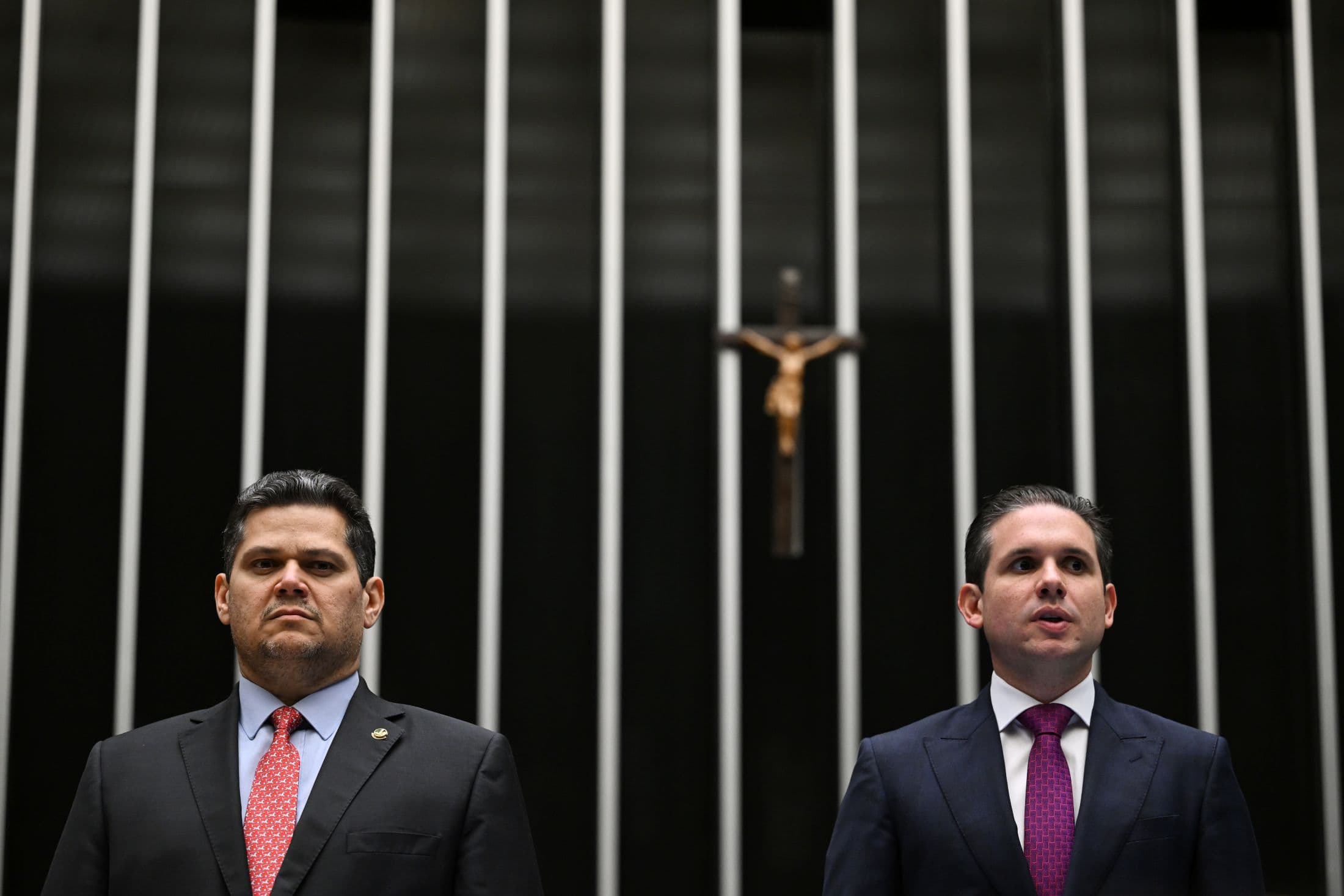
In the Senate, the vote on similar proposals was postponed by President Davi Alcolumbre (Union-AP), who responded to the request of the Speaker, Hugo Motta (Republicans-PB). Motta argued that MPs have been discussing the issue for longer in a special committee, and the final decision should come from the House.
Original version foresaw extensive changes
The initial version of PEC 32/2015 went beyond the criminal issue. The text provided for full civil capacity at the age of 16, allowing young people to marry, sign contracts, obtain NHCs and travel abroad without authorization. It also established electoral rights and duties: the vote would cease to be optional and would become mandatory at 16 years, in addition to reducing minimum ages for terms, such as 16 years for councillor and 18 for deputy and mayor.
In the criminal field, the original proposal defended unrestricted criminal imputability, with general amendment of article 228 of the Constitution to cover any crime. However, the text under discussion in the special committee underwent modifications throughout the proceedings.
Substitute focus on serious crimes
The substitute under review in the House, reported by Mendonça Filho, establishes criminal liability at 16 as a general rule for any infraction. In addition, it lowers the threshold to 14 years in cases of heinous crimes, torture, drug trafficking, terrorism and participation in organizações criminosas.
The text also provides for compulsory prison segregation for young convicts to serve sentences in separate establishments of both adults and minor offenders subject to the socio-educational system. The measure aims to avoid coexistence between different age groups in the prison system.
The Senate takes a decision from the House
The text was expected to be voted on on the last day 4, but Alcolumbre decided to wait for a decision of the House. The leader of the PL in the Senate, Carlos Portinho (RJ), charged the president of the High House and declared that the opposition does not intend to negotiate anymore with the governmentists.
“I want to make it clear, the government has exhausted from today with the leader of the PL any possibility of an agreement, at least for the next few months, until the minimum is met. That's enough. Because I make a deal to fulfill. The man keeps his word,” Portinho said.
Alternatives and legal challenges
In addition to constitutional amendments, senators such as Alessandro Vieira (MDB-SE) argue that an amendment to the Magna Carta will face legal challenges for injuring the stone clause. As an alternative, the Senate has already approved in 2025 the PL 1.473/2025, authored by Senator Fabiano Contarato (PT-ES), which does not change the penal age, but doubles the maximum time of socio-educational hospitalization provided for in the Statute of the Child and Adolescent (ECA) for infractions of extreme gravity.
The leader of the MDB in the Senate, Eduardo Braga (AM), supported by more than 50 senators, articulated a request with a special calendar to directly guide the Senate’s PECs in plenary if the House does not complete the vote on PEC 32/2015 by December 1.
Special Commission runs against time
In the meantime, the special committee of deputies runs against the clock amid public hearings with human rights entities, representatives of the judiciary and experts in public security. The collegiate meets the schedule of hearings before the final opinion, which has not yet set a date for voting.
The debate on the reduction of the penal age mobilizes different sectors of society and is expected to continue in the coming weeks, with a direct impact on Brazilian criminal legislation.
Read Also
Justice rejects action against Bolsonaro and Wal do Acai
Lula wants to turn Brazil into a developed country in four years
Flávio Bolsonaro says it wasn't the end yet at an event in the US
Font
www.gazetadopovo.com