Clinic reevaluates ADHD diagnoses and sparks debate
A government-funded clinic in Sweden, dedicated exclusively to reevaluating ADHD and autism diagnoses, is generating controversies. Young people like Freya and Johanna seek the service to remove professional barriers, while experts warn of the risk of stigma.


A psychiatric clinic in Sweden, funded by the government and dedicated exclusively to reevaluating diagnoses of ADHD (attention deficit hyperactivity disorder) and autism, is at the center of an international debate. The service, known as Mottagning Neuropsykiatri, is considered the first in the world with this specific purpose and has attracted hundreds of people in search of a second medical opinion.
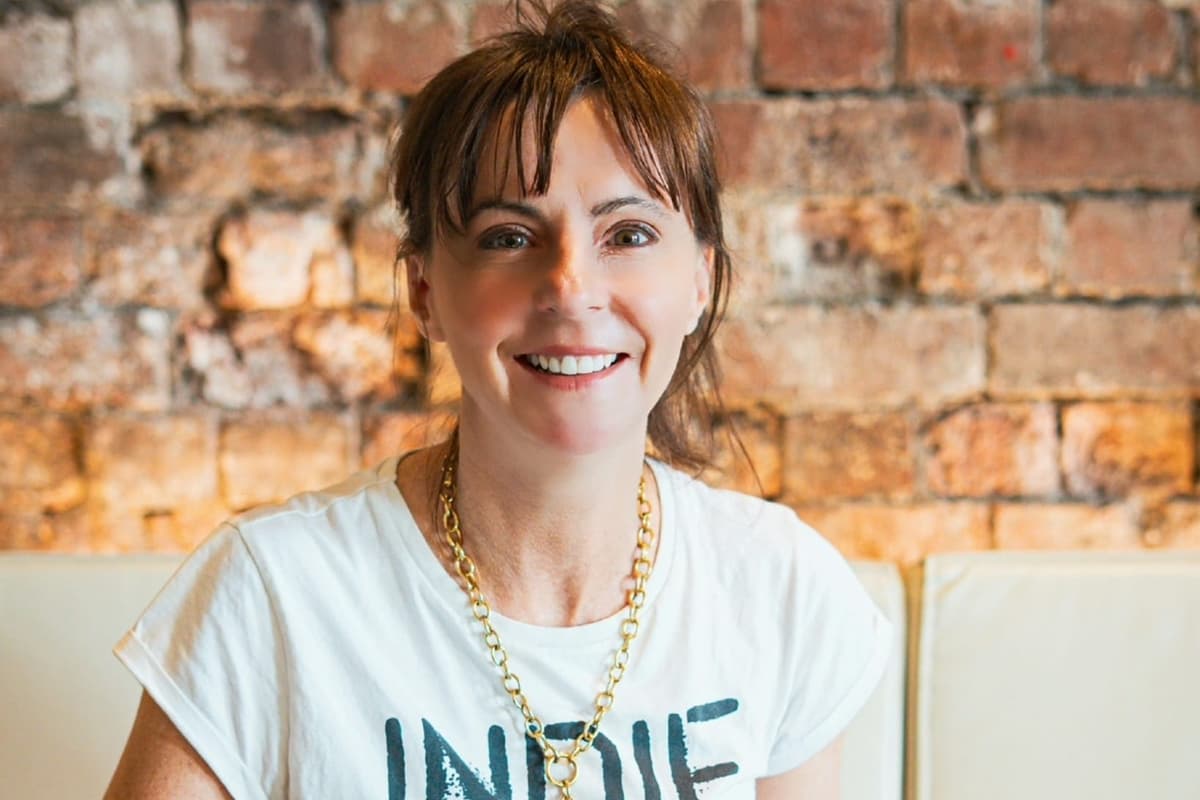
Freya, a young woman who preferred to use a fictitious name, looks nervous when she enters the clinic for her evaluation. Unlike most patients, she is not there to get a diagnosis, but to question one she received in childhood. At 12, Freya was struggling with anxiety at school and, after seeking professional help, heard from doctors: “They thought I had ADHD,” she recalls.
Freya’s doubts became more urgent in her teens when she discovered that in Sweden the diagnosis of ADHD could be an obstacle to fulfilling her dream of joining the police. “I want to have all the options open,” she told the BBC World Service. If the clinic’s doctors decide that Freya does not meet the criteria for diagnosis, her medical record will be updated, making it easier for her to apply for safety jobs.
Why re-evaluate a diagnosis?
In recent decades, several countries around the world have witnessed a significant increase in ADHD diagnoses. For many people, this can be transformative, helping them to better understand themselves and have access to support. However, for some, labeling can become a barrier, especially in professional contexts with specific restrictions.
Historically, Swedes with ADHD or autism were prevented from practicing certain professions, including military service, police, train driving and airplane piloting. This is despite research indicating that some neurodivergent characteristics may be advantageous in certain functions. There are no similar bans in the UK, although the rules vary globally.
Psychologist Sebastian Lundström runs the clinic, which runs one day a month. According to him, the service mainly serves young adults who, like Freya, feel that the diagnosis has become a limitation. The clinic was opened at a time when the diagnoses of ADHD and autism are in evidence, reflecting a growing awareness of neurodiversity.
Controversy and stigma
The existence of the clinic is controversial. The clinical guidelines of the UK regulatory bodies and the World Health Organization describe autism as a lifelong condition and ADHD as a neurodevelopmental condition that can persist into adulthood. The medical consensus is that both diagnoses last a lifetime, even if the symptoms fluctuate.
Some advocates of neurodiversity warn that a specific reassessment service could reinforce the idea that being diagnosed with ADHD or autism is undesirable, deepening the stigma around both conditions. They argue that the focus should be on adapting environments and accepting differences, rather than trying to “remove” diagnoses.
Despite the criticism, hundreds of people sought the clinic for a reassessment. For many, the possibility of reviewing a diagnosis that directly impacts their career choices is seen as a matter of justice and autonomy.
The Case of Johanna
Johanna, 24, was diagnosed with ADHD at the age of 14, after what she describes as a period of bad behavior at school. Initially, she considered the diagnosis useful and received additional support from teachers. However, over time, he began to question whether the label still made sense for his adult life.
Like Freya, Johanna was led to reconsider her diagnosis after feeling that it had become a barrier. When she was referred to the clinic, she said she was relieved to find that she could have her diagnosis reassessed for free. The freeness of the service is a crucial factor, as private neuropsychological evaluations can be expensive and inaccessible to many.
Johanna’s story illustrates a common dilemma: the diagnosis that brought support in childhood can become an obstacle in adult life, especially in countries with occupational restrictions for neurodivergent conditions.
What the experts say
The clinicians emphasize that re-evaluation is not a simple process of "withdrawing" a diagnosis, but rather a careful analysis of current clinical criteria. They recognize that ADHD and autism are neurodevelopmental conditions, but argue that diagnostic errors can occur, especially when initial assessments were made in crisis contexts or with incomplete information.
On the other hand, critics question whether the existence of a clinic dedicated exclusively to re-evaluations can send a mistaken message that neurodivergent diagnoses are less valid or desirable. They argue that the focus should be on creating inclusive policies that allow for the full participation of neurodivergent people in all professions, rather than requiring them to “prove” their normality.
The debate reflects broader tensions about neurodiversity, identity, and labor rights. While some see reevaluation as a tool of liberation, others consider it a setback in the fight against stigma.
Global impact and outlook
Although the Swedish clinic is pioneering, the issue of reevaluating diagnoses of ADHD and autism resonates in many countries. In Brazil, there are no similar legal restrictions for professions such as police or forças armadas, but stigma and lack of adequate accommodations are still significant challenges for neurodivergent people.
Brazilian experts consulted by the report highlight the importance of ensuring that diagnoses are accurate and based on comprehensive evaluations, avoiding both underdiagnosis and overdiagnosis. They also highlight the need for public policies that promote inclusion and respect for neurodiversity, regardless of diagnostic labels.
The Swedish experience can serve as a wake-up call for other health systems: the reassessment of diagnoses should not be seen as an isolated solution, but as part of a broader debate on how society welcomes and values neurological differences.
Next steps
For Freya, Johanna and hundreds of other patients, the clinic represents a chance to rewrite their trajectories. However, the future of the service remains uncertain in the face of controversy. Meanwhile, the debate over diagnosis, identity, and rights continues to evolve, challenging established notions about what it means to be neurodivergent in a world that still struggles to adapt to human diversity.
The Boca no Trombone Portal will continue to follow the unfolding of this story and its impacts on the neurodivergent community in Brazil and around the world.
Read also
Isa Scherer details her son's tests after diagnosis
Too much tea causes memory loss in women
Font
www.terra.com.br