Councilman denounces political persecution of merchants after election in Ponta Grossa
Councilman criticizes WhatsApp-shared list targeting merchants allegedly linked to PT; disclosure could bring legal consequences depending on the content.

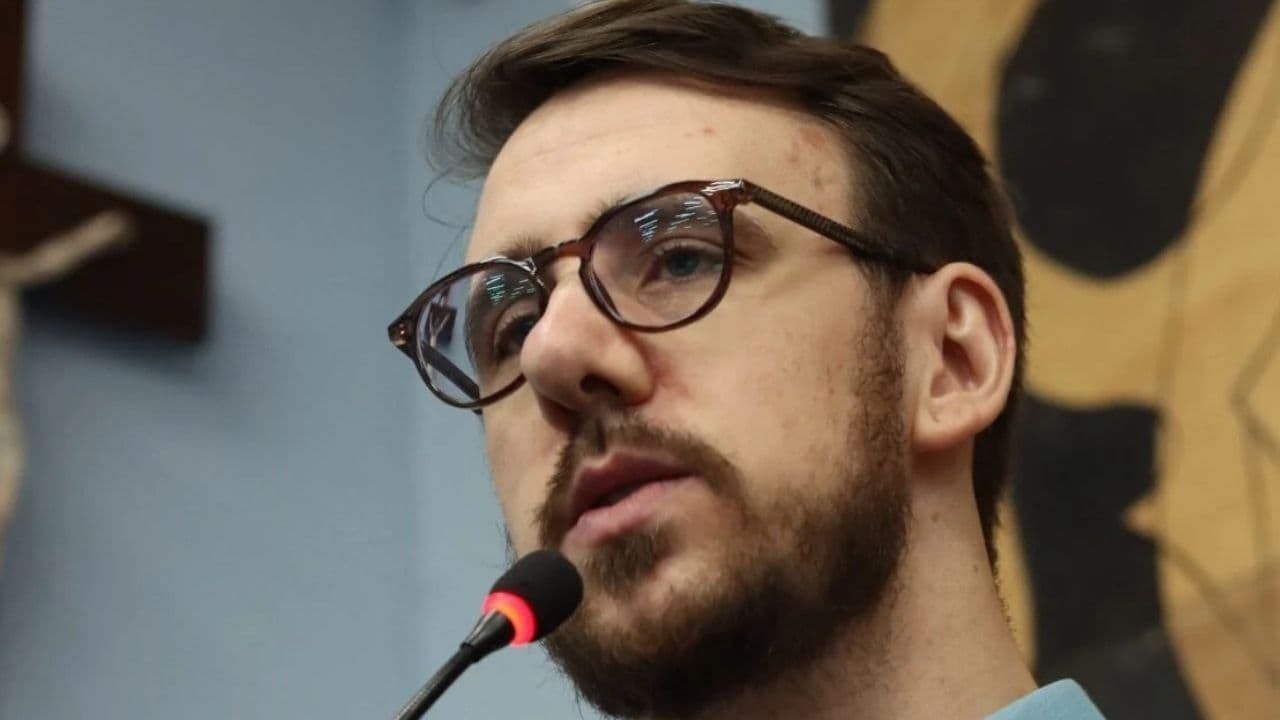
The councilor Geraldo Stocco (PV) on Monday denounced the circulation of a list that encourages the boycott of companies in Ponta Grossa after the result of the second round of the presidential elections of 2026. According to the parliamentarian, the material shared in WhatsApp groups points to establishments whose owners allegedly supported or voted for Luiz Inácio Lula da Silva (PT).
The situation gained repercussions after Stocco posted a video on social media condemning the initiative. The councilor classified the attitude as a demonstration of political intolerance and warned of possible losses to the city’s merchants.
"I received a list of trades that should be boycotted in Ponta Grossa, according to an absurd minority of people. This fanaticism, with all due respect, leads nowhere,” he said.
The MP also criticized the attempt to financially harm establishments because of party preferences attributed to their owners. For him, electoral differences should not turn into attacks on commercial activity.
Stocco calls for respect for political differences
During the demonstration, Geraldo Stocco stated that the closure of the electoral dispute should represent a moment of respect for individual choices and of appreciation of the local economy.
“The election has passed, reflect a little. Everyone is free to choose their vote, to utter their opinion, but this kind of attitude is slanderous, it is criminal, it is not worth it. It is unacceptable to see such a business and not say anything,” said the councilman.
Stocco also stressed that the municipality needs union to strengthen economic development, regardless of the political positions of the residents.
"Let's put our hands on our conscience, value what is ours, help our city, help our state. That's what we need, unity. This extremism, from both the right and the left, leads nowhere,” he added.
At the end of the video, the parliamentarian directed the population not to share the relationship of establishments.
Is it a crime to boycott companies?
The circulation of lists encouraging boycott of companies in Ponta Grossa raises questions about the limits of freedom of expression and the legal consequences of attacks motivated by political divergences.
In Brazil, defending that consumers stop attending a certain establishment does not constitute, in itself, a crime. However, the situation can have legal consequences when it involves threats, false accusations, offenses to honor or other unlawful conduct.
The Penal Code provides, for example, for crimes of slander, when one falsely attributes to another person the practice of a crime, and defamation, when there is imputation of a fact offensive to the reputation of someone.
The legislation also punishes threats of causing unjust and serious harm. Thus, the eventual liability of those who produce or share a list depends on the content disclosed, the circumstances and the evidence available.
In addition to the criminal sphere, the Civil Code establishes the possibility of reparation for material or moral damages when an unlawful conduct causes damages to third parties.
Boycott could harm Ponta Grossa traders
In addition to legal issues, the disclosure of lists of this nature can have economic and social consequences.
Among the possible effects are loss of customers, damage to the image of establishments, conflicts between consumers and merchants and the dissemination of unverified information.
It is also important to remember that voting is secret in Brazil. In this way, assigning entrepreneurs a certain election choice without confirmation can fuel rumors and expose people to embarrassment.
The repercussions of the case reinforce the debate about political intolerance and respect for differences after the elections, especially when partisan positions begin to interfere in the commercial relations of the community.
The BNT Online chooses not to disclose the names of the mentioned establishments, avoiding the widening exposure of merchants and the circulation of information about political preferences that have not been verified individually.
Read also: Civil Police Delegate warns of risks of digital violence against children and adolescents