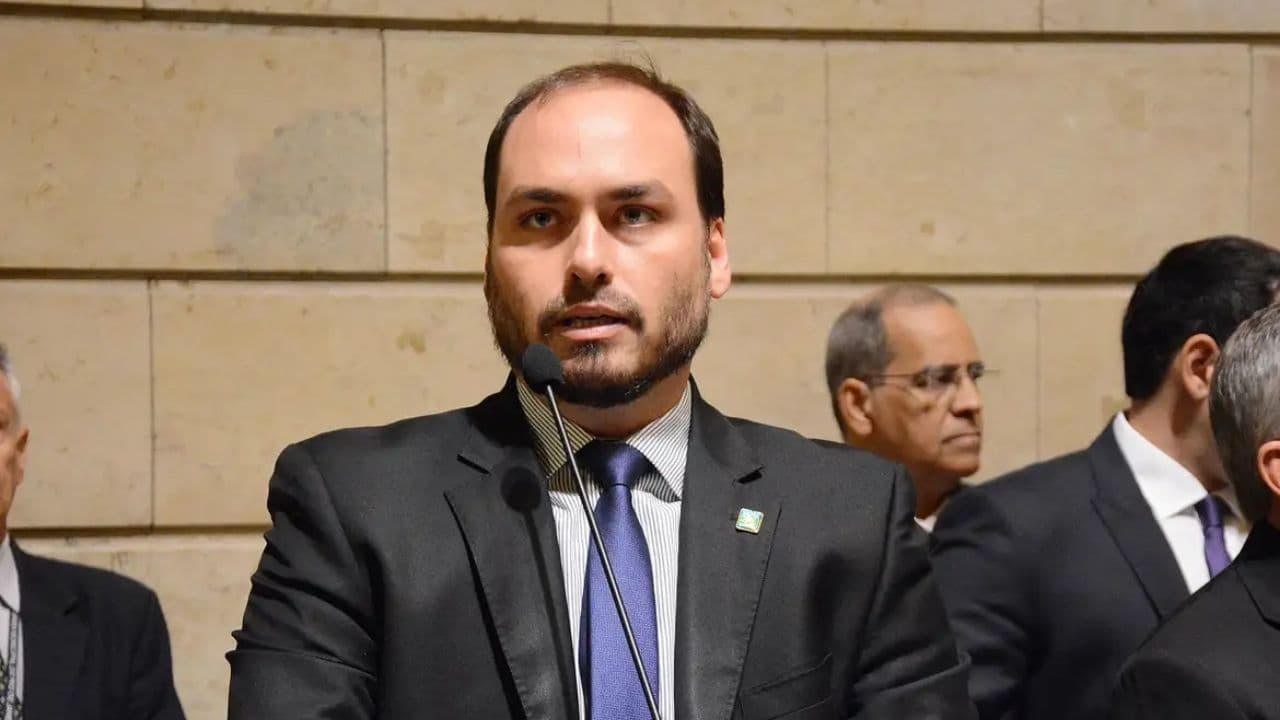
Deputies negotiate mixed district voting for 2034
Party leaders met with Chamber president Hugo Motta to discuss the implementation of mixed district voting starting in 2034. The proposal provides for a gradual transition, with mixed district voting in 2030. PL and PT did not attend the meeting.

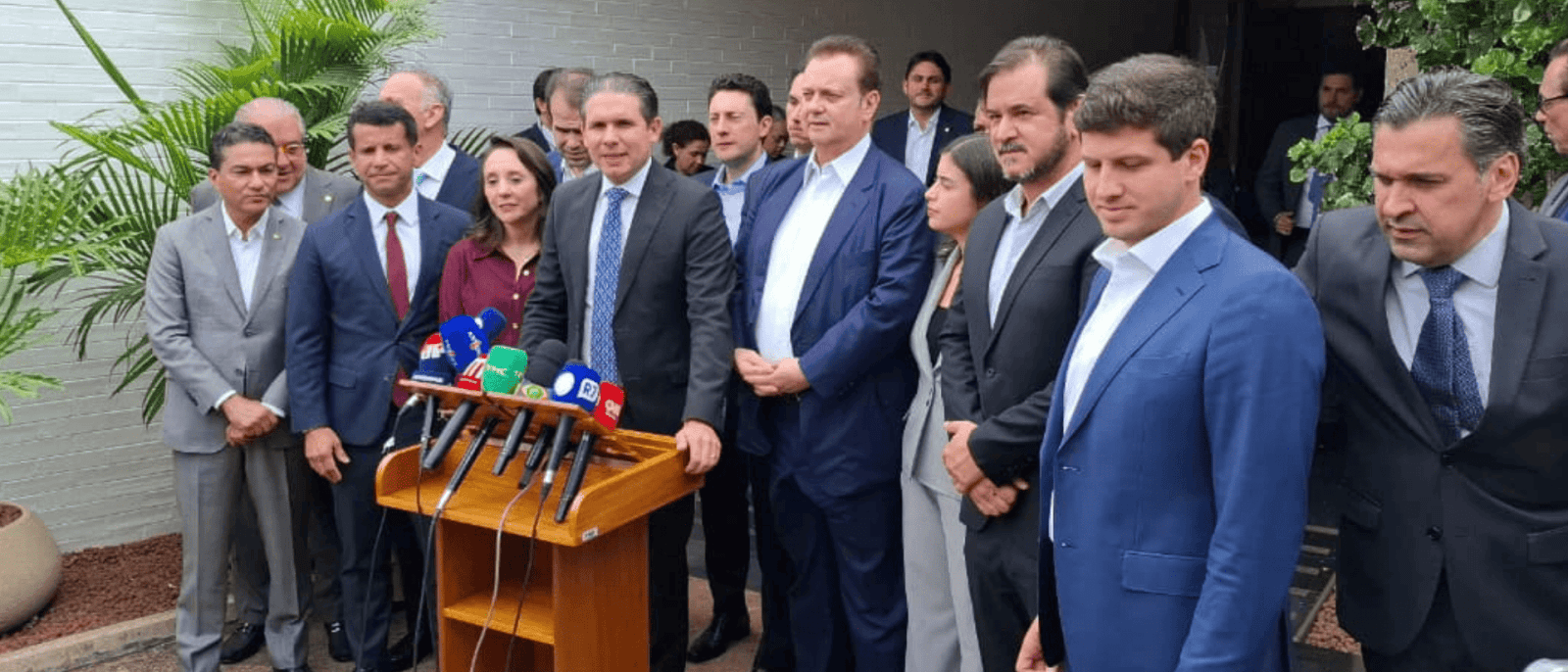
Leaders of eight parties met with the Speaker of the House of Representatives, Hugo Motta, to negotiate the adoption of mixed district voting in the 2034 elections. The meeting, held in Brasilia, was attended by representatives of the PSB, União Brasil, PP, PSD, Republicans, MDB, Federation PSDB-Citizenship and Podemos. PL and PT, the two largest benches of the House, did not participate and will be sought later.
The mixed district vote planned for 2034 divides the state into geographical districts. In this model, the voter has two votes: one for the candidate from his district and one for the party list. Half of the seats are elected by simple majority in the districts, and the other half is filled by closed lists of the parties, respecting the proportionality of the votes received by the subtitles in the state.
Gradual transition begins in 2030
Before final implementation, the proposal provides for an intermediate stage in 2030. The president of the PSDB, Aécio Neves (MG), declared that the majority consents to a mixed district proposal. In this model, half of the seats of deputies are filled by the most voted candidates in the state as a whole, without the need to calculate the electoral quotient. The other half is defined by closed party lists.
The goal is to serve as a gradual transition to mixed district voting in 2034. The source did not detail how the process will be in the 2030 elections, but Aecio said there was consensus among the leaders present.
https://www.youtube.com/watch?v=0TbwtmxAaMs
Video: YouTube | Source: www.poder360.com.br
Motta bets on approval still in 2026
According to Motta, it will be possible to get enough votes in Congress to pass the measures in 2026, even without the adherence of all the subtitles. This is because it is a Proposal for an Amendment to the Constitution (PEC), which needs to be approved in two rounds, by three fifths of the members of each House of Congress.
The mayor did not detail how the process will be in the 2030 elections, but he showed confidence in the political articulation. The absence of PL and PT at the meeting was not seen as an insurmountable obstacle.
PL can be left out, says Aécio
Aécio Neves assessed that the PL “may not come” to support the reform proposal because it was the big beneficiary of the current electoral system, having managed to elect 121 federal deputies out of 513. According to the Tucan, there are enough votes in Congress to pass the PEC even without the party.
The PL was the party that elected the most federal deputies in the last election, which may explain its resistance to change. Aécio, however, minimized the impact of the absence of the legend.
PEC also deals with party loyalty
In addition to the change in the electoral system, the party leaders intend to include in the same PEC a rule to force mayors to fulfill their mandates in the party for which they were elected, avoiding party exchanges. Today, mayors do not lose their mandate if they change parties.
This measure aims to reduce partisan migration and strengthen subtitles. The proposal was discussed during the meeting and should integrate the final text of the PEC.
How does mixed district voting work
In the mixed district vote, the state is divided into geographical districts and voters vote directly on the local representative and the legend list. The rule changes the election of only state deputies, district deputies, federal deputies and councilors.
The elector has two votes: one for the candidate from his district and one for the party list. Half of the seats are elected by simple majority in the districts, and the other half is filled by closed lists of the parties, respecting the proportionality of the votes received by the subtitles in the state.
A consequence of this system is that high-voted candidates can pull other members of the same party who have obtained lower votes. This is because the vacancies are distributed proportionally to the performance of the parties and federations, based on the valid votes and the electoral and party quotients.
Next steps of negotiation
The party leaders should continue the talks with PL and PT, who did not participate in the meeting. The expectation is that the PEC will be presented later this year and will begin to process in the Chamber of Deputies.
Approval of the proposal will require broad political articulation, but proponents of the change believe there are enough votes. The Boca no Trombone Portal will continue to track the developments of this trade and will bring new information as it becomes available.
Read Also
PT, PCdoB and PV support re-election of Hugo Motta in the Chamber
Aircraft with Flávio Bolsonaro lands in Miami after flight from Brazil
Flávio Bolsonaro will continue to be investigated by STF even after leaving Brazil
Font
www.power360.com
Prioritize Power in Google (www.google.com)
Power360 integrates the (thetrustproject.org)