Does a dog understand words? Trainer explains how it works
Dogs do not understand language like humans, but they learn through association, according to trainer Daniel Moreira Teles. With repetition and positive reinforcement, they link sounds to objects and situations. The expert gives tips to stimulate this ability.

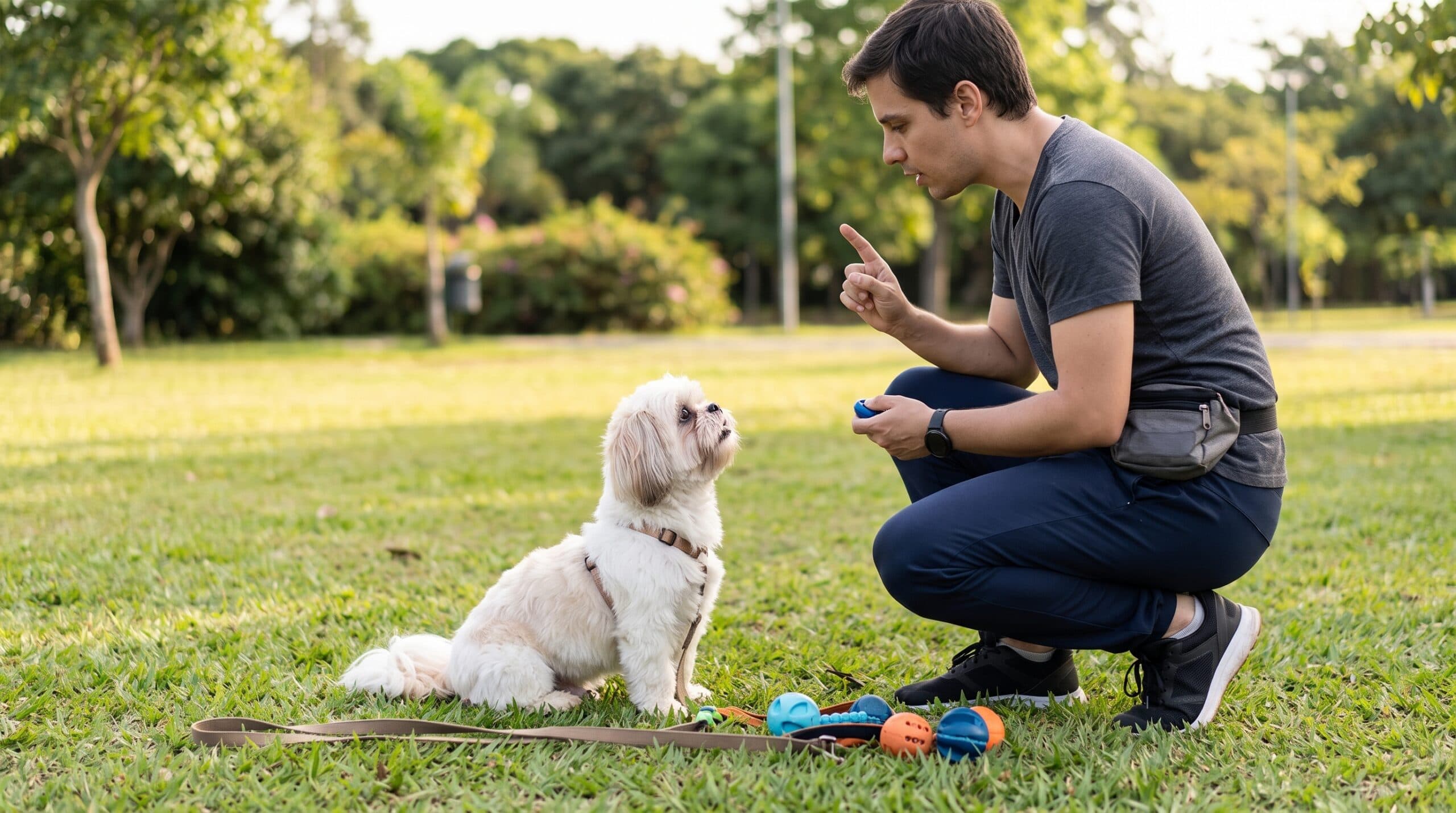
People who live with dogs have wondered if they really understand what we’re talking about. For Daniel Moreira Teles, trainer and zootechnist specialized in canine behavior, the answer is yes, with an important caveat. What exists is learning by association, built with training, repetition and bonding, not an understanding of the language like ours.
The case of the dog Frederico, who identifies toys by name, illustrates this process well. According to Daniel, what Frederic does is not a mysterious talent or a trick. The owner presented each toy along with the name, and the dog was connecting the sound to the object by means of repetition.
How the dog associates words with objects
“There is a training so that the dog can associate the word with the object. The owner shows the object, the dog assimilates. Just as in training, the dog learns commands by repetition. Some assimilate faster, others take a little longer,” explains the expert.
In other words, the dog does not “translate” the phrase as a person would. He learns that a certain sound usually comes with a certain thing, and that getting that connection right yields something good.
The mechanism is simple. The guardian says the name, shows the object and, when the dog identifies the right item, receives a compliment or a snack. Each reinforced hit leaves the connection stronger.
Positive reinforcement strengthens learning
“What Frederico does is not a trick; it is real learning by association. The dog connects the sound of the word to the specific object, and this connection strengthens each time he hits and receives positive reinforcement,” explains Daniel.
The pace varies from one dog to another. In the case of Frederico, the trainer assesses that the animal probably learned the name of each toy quickly because it is a smart dog and because it has received the presentation of each item.
Words saw triggers of expectation
Daniel sets an example for the day-to-day. Some customers warn the dog, before the visit, that the trainer will arrive. “I have clients who say to their dogs ‘today Daniel will come,’ and some of them already run to the gate to wait for me.”
The specialist makes a point of separating things: this does not happen because the dog understood the phrase. He learned that the sound “Daniel” is associated with a person, and that that person usually arrives through the gate. The word becomes a signal, a trigger of memory and expectation.
The same goes for terms like “walk” or “time for food.” When the word always comes before a situation, the dog reacts to it even before the situation happens.
Link and consistency are essential
For Daniel, there is no learning of words without consistent stimulation. A dog who lives with little interaction and repetitive routine has fewer opportunities to create these connections than an animal in frequent and intense contact with the owner.
“Language is a two-way street. The more you talk to your dog consistently and associate words with objects, situations and emotions, the more he develops this ability to understand. The dog listens to us with much more attention than we imagine,” concludes the trainer.
Frederick probably grew up in a home where communication with him was always intense and consistent. This is the main ingredient, according to the expert: not the breed, not the isolated genetics, but the bond built day by day with the owner.
Tips to teach your dog words
Based on the experience of the trainer, it is possible to stimulate this ability at home. Some simple practices can make a difference:
Give fixed names to toys and always use the same terms. Consistency is essential.
Associate words with everyday actions, such as “vampire walk”, “food time” and “go get it”.
Show the object when you say the name. Visual association accelerates learning.
Use positive reinforcement (compliment or snack) whenever the pet hits.
Talk to your dog. The constant exposure to the sound of words favors learning.
Prefer short and frequent sessions to long and sporadic sessions.
With patience and dedication, any tutor can strengthen communication with the animal. The important thing is to maintain the routine and celebrate each success.
Read Also
Dog breeds that coexist well: see ideal doubles
Why do cats like boxes? Science Explains
Font
www.portaldodog.com
Portal Pet On (portalpeton.com.br)