Elections 2026: Brazilian participation rises and abstention in the second round is the lowest in two decades
Second round of the 2026 elections records the lowest abstention in 20 years, with nearly 3 million fewer absences and a decline in blank and null votes

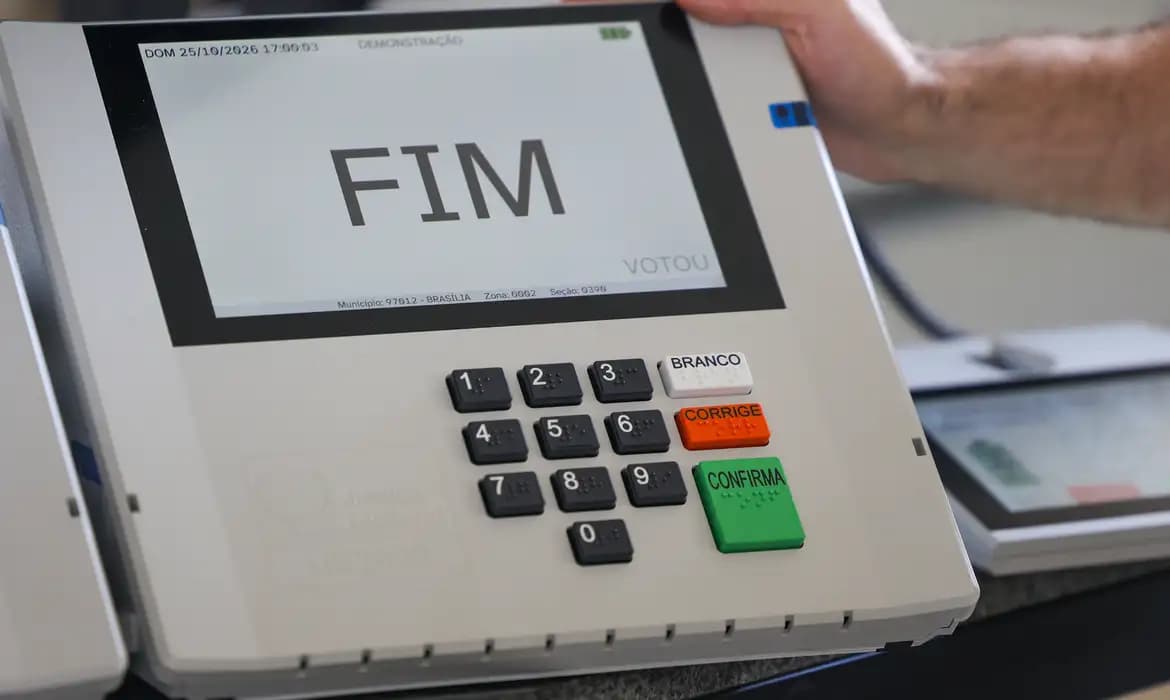
The second round of the 2026 presidential elections, held on Sunday, registered an increase in the participation of Brazilians and reached the lowest rate of abstention in the last 20 years. According to data from Justiça Eleitoral, 19.22% of citizens able to vote did not attend the polls, a percentage lower than that observed in the first stage of the dispute.
In absolute numbers, 30,509,005 voters stopped voting in the second round, while in the first, held on October 4, 33,469,244 were absent. The difference represents a reduction of approximately 2.96 million abstentions between the two votes.
The result is especially prominent because the first round had an absence rate of 21.08% of the electorate. With the reduction to 19.22%, the decisive vote mobilized a greater portion of the 158,745,502 Brazilians qualified to participate in the electoral process.
Second round registers best attendance rate since 2006
The figures released by Justiça Eleitoral show that Brazil did not register such a low abstention rate in a presidential second round since 2006, when 18.99% of voters failed to attend.
The reduction in absences in 2026 contrasts with the scenario observed in the first round, marked by a high volume of voters who did not participate in the vote.
In the historical comparison, the second round of 1989, the first direct presidential election after the period of the military dictatorship, had an abstention rate of 14.4%. In 1994, when the presidential election was still defined in the first round, the percentage of absentees reached 17.77%.
Acre and Brazilians abroad show higher abstentions
Despite the increase in national participation, some regions recorded absence rates higher than the Brazilian average.
Among the voters residing outside the country, 58.37% of the qualified did not attend the polling places, representing the highest percentage of abstention identified in the survey.
Within the national territory, Acre led the absenteeism rate, with 26.08% of voters failing to vote in the second round.
White and null votes also show decline
In addition to the increase in turnout, the decisive election showed a reduction in white and null votes compared to the first round.
The number of blank votes increased from 2,300,798, equivalent to 1.84%, in the first vote, to 1,430.496, or 1.12%, in the second round.
Null votes also declined. In the first round, 3,674,249 votes were annulled by the voters themselves, corresponding to 2.93%. In Sunday’s vote, that total fell to 2,723,305, representing 2.12%.
The data indicate that, in addition to a greater presence in the electoral sections, there was a proportional reduction of the votes that were not destined for any of the candidates in the presidential contest.
With these results, the elections of 2026 ended the second round with the highest percentage of attendance in the last 20 years, reinforcing the difference in participation between the two stages of the electoral process.
Read also: https://bntonline.com.br/result-eleicoes-2026-votos-per-secao-nas-cidades/