Fachin tries to advance reforms in STF before the recess
A month before the recess, STF president Edson Fachin tries to advance an agenda of internal reforms, but faces resistance. The topics include modernization of the judiciary, an ethics code for ministers, and the crisis at Banco Master.

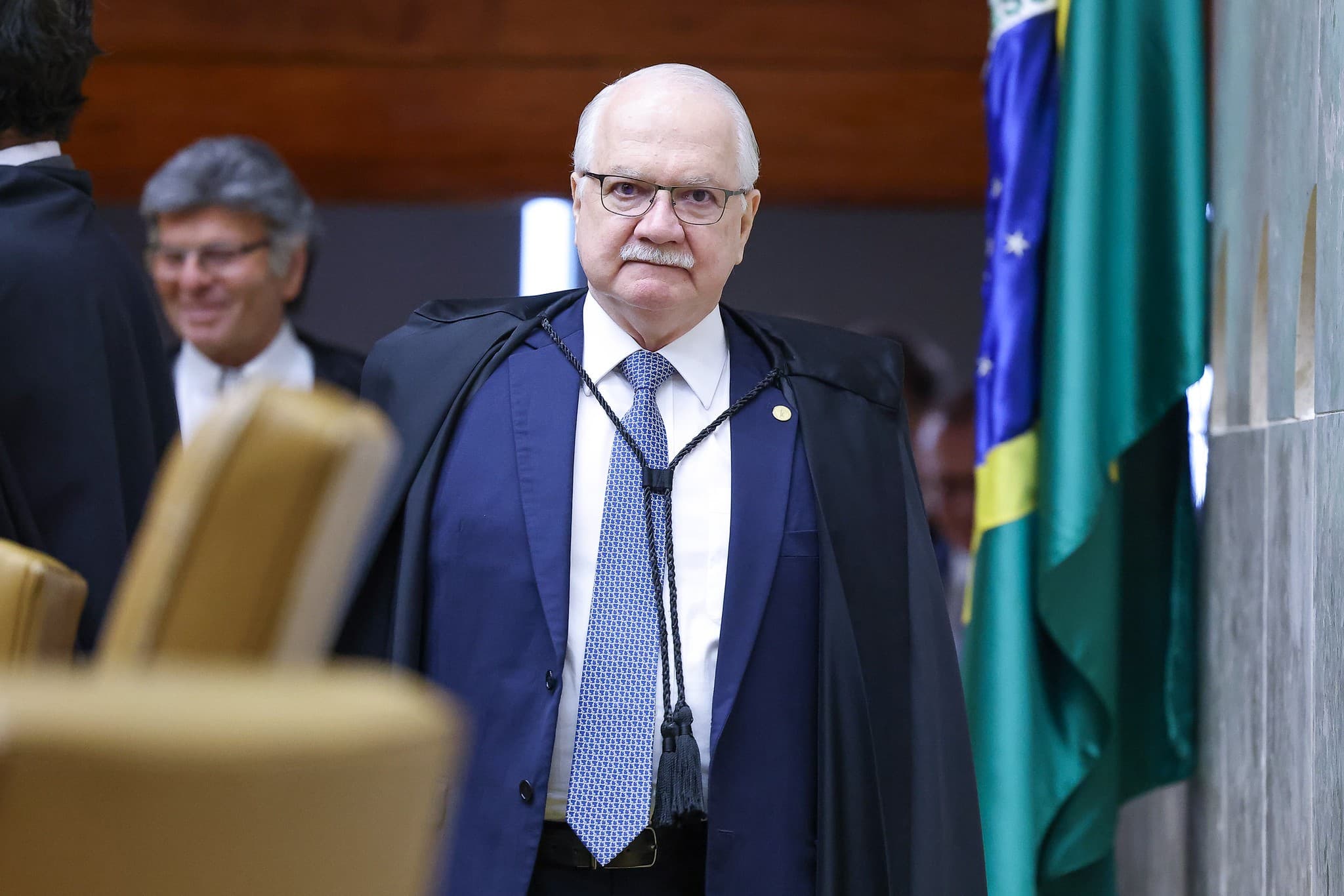
One month before the beginning of the recess of the Supremo Tribunal Federal (STF), scheduled for December 20, the president of the Court, Minister Edson Fachin, tries to move forward with internal guidelines that divide the ministers. These are three core issues that still face resistance and may extend to 2027.
Fachin created a group to discuss improvements and modernization of the justice system amid criticism of the so-called hangmen’s millionaire payments, which ended up limited by the STF. In addition, the Judiciary is charged for greater transparency and ethical rigor on the part of the judiciary, including ministers of the STF, which ended up being dragged into the Banco Master crisis.
Modernization group runs against time
Fachin’s goal is to speed up responses and facilitate access to justice. The idea of the president of STF is that the group closes a report by December 10 and the final version by December 19. Suggestions of legislative changes are expected, which depend on the Congresso Nacional to be implemented, but also administrative issues, such as changes in the regiment of the STF and the National Council of Justice (CNJ).
Members of the group state in a reserved manner that there is a risk of not being able to complete all the analyses until the beginning of the recess and that there are still many ideas without convergence and that proposals for discussion have not yet been presented. The group received contributions from 87 institutions, with hundreds of proposals that bring polemical points. The interlocutors, the president of the STF has indicated that he will insist on the initial schedule.
Code of Ethics for Ministers in Debate
On another front, Fachin has been talking with Minister Cármen Lúcia about the elaboration of a code of ethics for ministers of the Court. The president of the court has already made suggestions to the rapporteur, who is due to draw up a minutes. The proposal should try to contemplate ideas that are consensus.
The indication is that the text will be sent to Fachin by the end of November. The draft prepared by the rapporteur will have to be approved by the ministers. One of the points that must be faced is the dissemination of participation of ministers in lectures, a topic that faces resistances in the STF. One of the discussions is on the need for prior disclosure and whether this could pose any risk to the security of ministers.
Another controversy would be to institute oversight of non-compliance with the rules of a code of ethics and to whom the role of oversight would fall.
The Banco Master crisis still resonates
Fachin is still trying to get around the crisis that has settled in the STF because of the Master scandal. Internally, the president is criticized for driving the crisis, but has signaled to interlocutors that he will continue to do what he thinks is right. Fachin sent to the Attorney General’s Office (PGR) the material gathered by the Federal Police from Vorcaro’s cell phone.
Only after the Prosecutor’s office has spoken should Fachin take any case to the Supreme Plenary. There's no deadline for that. A court wing estimates that this should only happen in 2027.
The coming weeks will be decisive for the advancement of the STF internal standards. The outcome of the discussions could influence the confidence of the population in the Judiciary and set the tone of the Court in 2027.
Read Also
MP promises impeachment of ministers of STF
Fachin maintains pretrial detention of Daniel Vorcaro
Opposition to launch names for House of Representatives in 2027
Font
g1.globo.com