Girl Inherits Cancer Gene from Sperm Donor in SP
A girl conceived through assisted reproduction in São Paulo in 2017 inherited a genetic variant linked to an increased cancer risk from a sperm donor. The case was reported in a scientific article and raises discussion about the need to expand genetic screening of donors in Brazil.

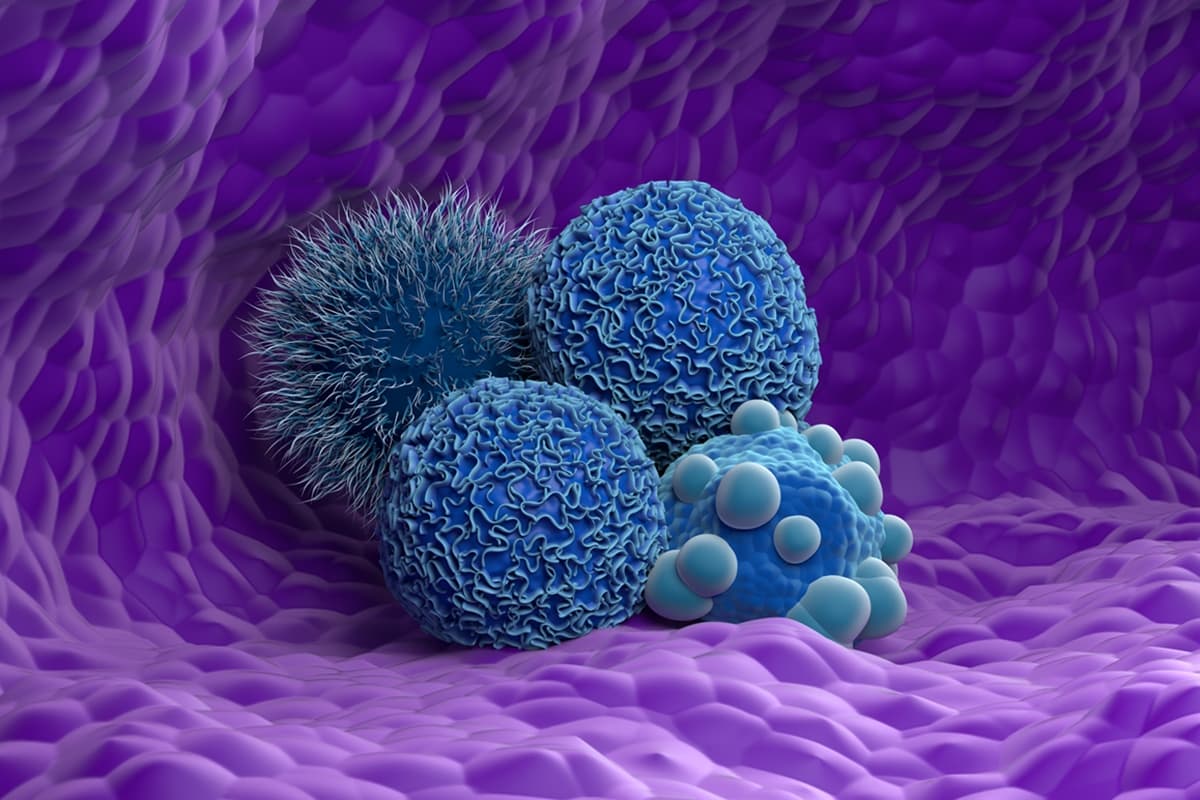
A girl conceived by assisted reproduction in São Paulo in 2017 inherited a genetic variant associated with increased cancer risk from a semen donor. The change, known as R337H, was not part of the mandatory tests required of the donor. The case was reported in an article published on November 5 in the scientific journal Reproductive BioMedicine Online.
The researchers argue that the genetic evaluation of donors also considers the most frequent variants in each region. R337H, for example, is more common in the South and Southeast of Brazil. According to the data presented, the variant is present in about 0.3% of the population of Paraná, 0.24% of Santa Catarina and 0.21% of São Paulo.
Discovered after birth
In the case described in the article, the alteration was detected in an examination performed after the birth of the girl, in Curitiba. The mother did not present the variant. After identification, the child was accompanied by a surveillance protocol to allow the early detection of possible tumors.
In 2026, the semen bank informed the family that a new genetic evaluation of the donor had also identified R337H. There is no information about how many other children were conceived with the genetic material of this man. The lack of data on other possible descendants worries experts.
Regulatory limbo in Brazil
“It’s in limbo. The law does not charge, and the people who need it sometimes are unable to pay,” said Bonald Cavalcante de Figueiredo, corresponding author of the study, in a statement from Abori. The declaration reflects the gap in Brazilian regulations on genetic screening of gamete donors.
The article compares the rules of 30 countries. The researchers identified differences in how each site requires or recommends research into hereditary diseases. In some European countries, there are general obligations to assess the risk of transmission of serious genetic diseases. In Brazil, in the Estados Unidos and in Spain, according to the analysis, the scope of the exams depends more on professional recommendations.
Researchers' proposal
As a proposal, the authors advocate the evaluation of personal and family histories of donors, the creation of national registers to communicate identified changes after donation and the inclusion of frequent genetic variants in certain regions. The idea is to increase security without making the process impossible.
Researchers recognize that genetic screening requires care. An examination may reveal information about the future health of the donor himself, who may not want to know this risk. In addition, having a variant associated with cancer does not mean that the person will necessarily develop the disease. For the authors, the proposal is not to exclude donors with genetic alterations, but to allow families and professionals to have information to make decisions with adequate counseling.
Warning signs for cancer
Weight loss for no apparent reason can be one of the main symptoms of several types of cancers, such as: stomach, lung, pancreas, etc. Persistent changes in skin texture, for no apparent reason, can also be a warning, especially if they are swellings and lumps in the breast, neck, groin, testes, armpit and stomach.
Persistent cough, despite being a common symptom of several diseases, should be investigated if it continues for more than four weeks. If it is accompanied by shortness of breath and blood, for example, it can be an indication of lung disease. Another characteristic sign of the existence of a cancer is the modification of the appearance of spots. Changes in size, color, and shape should also be investigated, especially if they flake, bleed, or have retained fluid.
The presence of blood in the stool or urine can be a sign of cancer in the kidneys, bladder or intestine. In addition, pain and difficulties when urinating should also be investigated. Pain for no apparent reason and lasting more than four weeks, frequently or intermittently, can be a sign of cancer. This is because some tumors can press on bones, nerves, and other organs, causing discomfort.
Strong, recurrent heartburn, which presents pain and apparently does not pass, can indicate various types of diseases, such as throat or stomach cancer. In addition, difficulty and pain when swallowing should also be investigated, as they can be a sign of the disease in the esophagus. Regular medical follow-up is essential for early diagnosis.
The case reported in São Paulo ignites a warning for the need to review genetic screening policies in semen banks in Brazil. Meanwhile, families who resort to assisted reproduction continue to rely on limited tests and genetic luck. The discussion should move forward in the coming years, involving experts, legislators and society.
Read Also
Lack of sleep affects memory and brain, experts warn
Brazil keeps ambassador outside Argentina after crisis
Blue November: City Hall promotes Biodance classes to raise awareness about prostate cancer prevention
Font
Metropoles.com
Reproductive BioMedicine Online (www.rbmojournal.com)