Ratinho Junior may discover that the biggest challenge is surviving outside power, by Gleidson Carlos
Allies believe the governor could return to political competition in four years

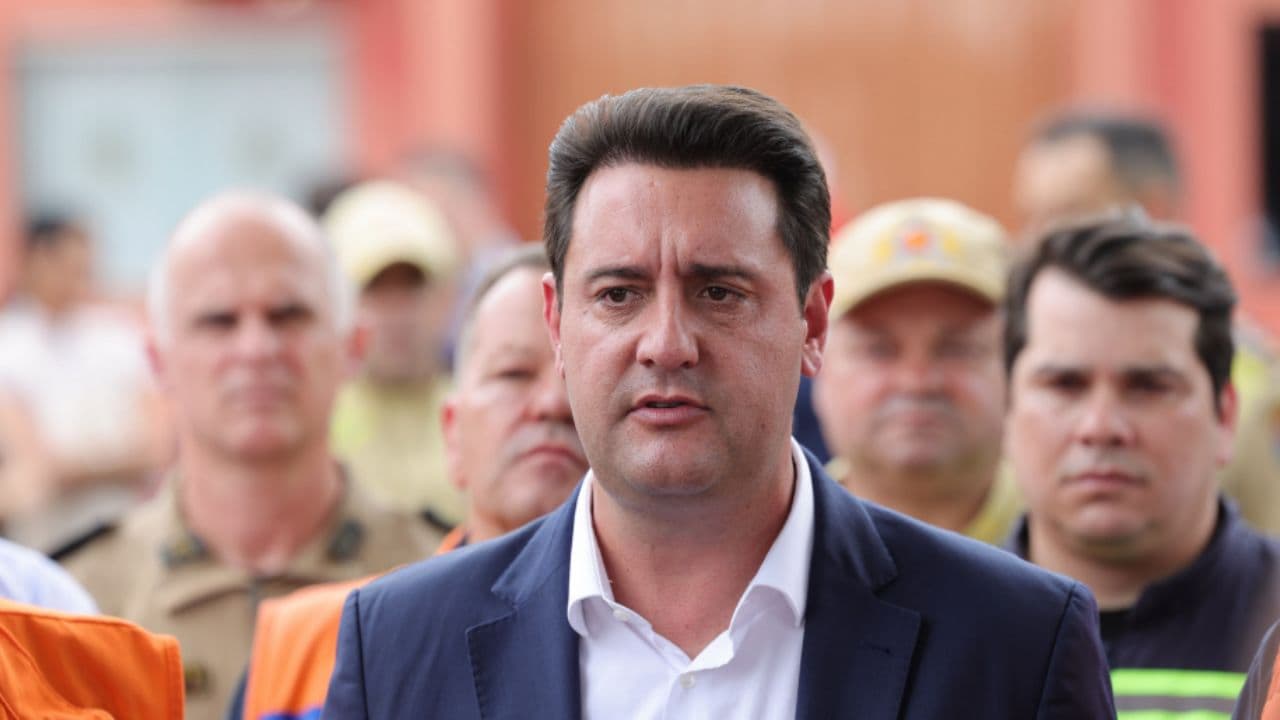
The governador Ratinho Junior may be about to experience a period of less political prominence. After two important electoral defeats, with Sandro Alex in the dispute for the Government of Paraná and Flávio Bolsonaro in the presidential race, the governor leaves the Iguassu Palace with a political capital smaller than what he imagined to build.
Ratinho ends his term with approximately 80% approval. An expressive index, but that was not enough to elect its successor nor to consolidate its project of national influence. In addition, he lost the opportunity to contest the Presidency of the Republic and gave up a candidacy for the Senate, for which he would have good chances of election.
Allies believe the governor could return to the political dispute in four years. But there is one question that maybe Ratinho himself knows better than anyone else: the difficulty of remaining relevant when you are out of power.
The election of Sérgio Moro in the first round demonstrates that the approval of a government does not necessarily represent the automatic transfer of votes to its successor. Ratinho may have been a victim of the very political environment that helped feed the Paraná, especially of the bolsonarismo, which found in Moro a more competitive electoral leadership.
Now, the governor will still have to follow the scrutiny of a management that promises to imprint a much more ideological mark than administrative. Moro inherits a state with positive indicators and a government structure that, so far, has sustained Ratinho’s popularity. But it will have its own project and will not necessarily need to preserve the political spaces of its predecessor.
If Ratinho really wants to return to prominence, he may need to oppose the new governor. Not necessarily an opposition of permanent confrontation, but able to build identity, present alternatives and dispute space in public debate.
And here is his biggest problem: Ratinho Junior has never shown a great vocation for the role of oppositionist. Its trajectory was built on articulation, the occupation of power spaces and the ability to establish alliances.
Now the challenge is another. Without the public machine, without a successor in the Iguazu Palace and without a national candidacy on the immediate horizon, Ratinho will have to prove that his political strength did not depend only on the position he occupied.
Because winning power is one thing. To continue to be the protagonist after losing it is another completely different.
Read also: Castro's UBL reaches historic 1,200-day mark without accidents with distance