Know who Lula is: presidential candidate for Brazil
Former metalworker and union leader, the petista built a career marked by three mandates at the Planalto, social programs, political crises and a prison sentence followed by the annulment of convictions

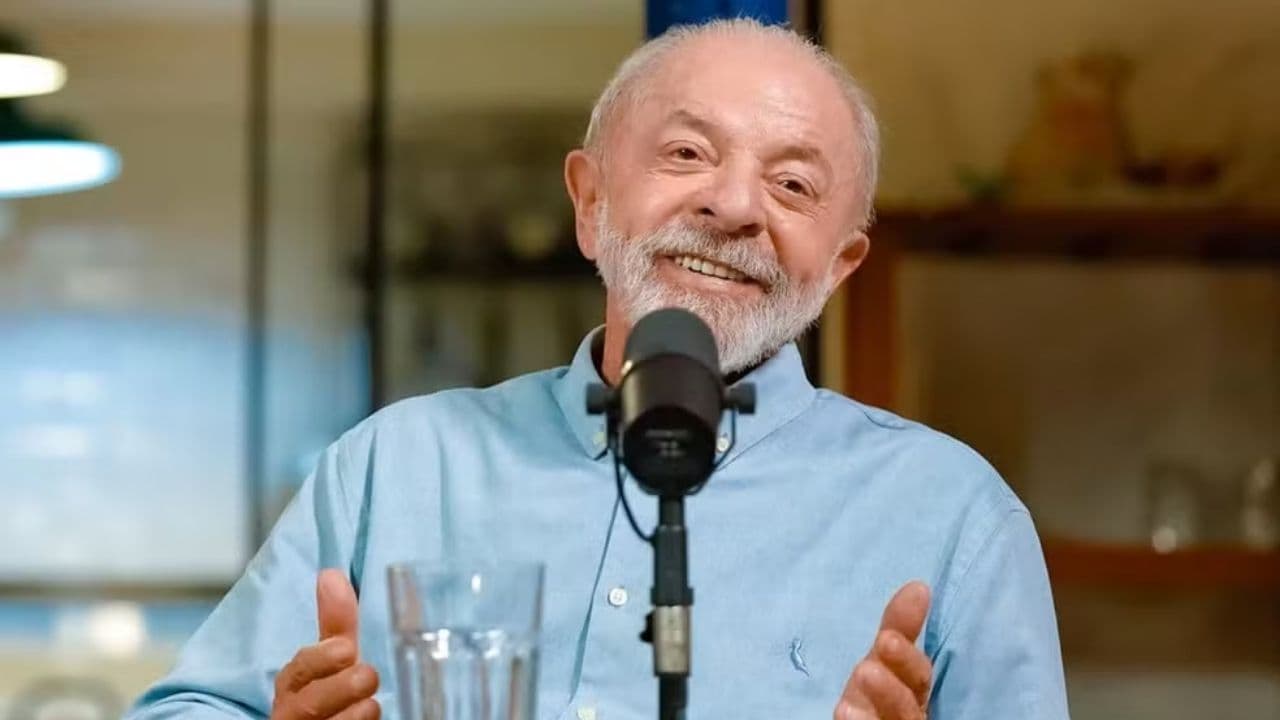
The history of Luiz Inácio Lula da Silva goes through some of the main transformations of Brazil in recent decades. A Northeastern migrant, worker and trade union leader before reaching the Presidency of the Republic, the petista became one of the central figures of national politics. At the age of 80, the second round of the 2026 elections against Flávio Bolsonaro (PL) is being contested on Sunday, October 25, in search of his fourth term in the Planalto Palace.
Born on October 27, 1945, in the town that now belongs to Caetés, then part of Garanhuns, in Pernambuco, Lula is the son of Aristides Inácio da Silva and Eurídice Ferreira de Melo, known as dona Lindu. He was the seventh of eight children of a family of rural workers. Childhood was marked by poverty and difficulties in survival in the northeastern interior.
In 1952, at the age of seven, he traveled with his mother and siblings to the state of São Paulo in a truck known as the arara stick. The family initially settled on the coast of São Paulo and then moved to the capital. As a child, Lula worked as a street vendor and greaser. Later, he entered the industry and became a mechanical turner, a profession that would bring him closer to the trade union movement.
It was in the factories of ABC Paulista that he began to build his leadership. Elected president of the Metalworkers Union of São Bernardo do Campo and Diadema in 1975, it gained national projection during the strikes of the end of that decade. The mobilizations demanded wage adjustments and better working conditions in a period in which the country still lived under the military dictatorship.
The transition from trade unionism to party politics was consolidated in 1980, when he participated in the founding of the Workers' Party. Two years later, he disputed the government of São Paulo, but finished fourth. In 1986, he was elected federal deputy and participated in the National Constituent Assembly, responsible for the elaboration of the 1988 Constitution.
The first attempt to reach the presidency occurred in 1989, in the first direct election for the office after the dictatorship. Lula advanced to the second round but was defeated by Mello's Fernando Collor. He returned to the Plateau in 1994 and 1998, losing on both occasions to Fernando Henrique Cardoso. The defeats preceded a change in the petista strategy, with the expansion of alliances and the approach with business sectors.
The victory came in 2002. With the businessman José Alencar as deputy, Lula defeated José Serra and took office in January 2003. During the campaign, the publication of the “Letter to the Brazilian People” signaled the commitment to economic stability and the fulfillment of contracts, in an attempt to reduce the mistrust of investors in the face of a possible administration of the PT.
His first two governments, between 2003 and 2010, had as marks the expansion of social policies, the valuation of the minimum wage and initiatives aimed at reducing poverty. The Bolsa Família gathered income transfer programs and became one of the main references of its administration. Also gained space actions such as the Light for All and, in the second term, the Minha Casa, Minha Vida. In foreign policy, the government sought to diversify trade partnerships and strengthen relations with developing countries.
The period was also marked by crises. In 2005, the scandal of the mensalão hit the government and the PT, with complaints of buying parliamentary support that reached party leaders and members of the federal administration. Despite the wear and tear, Lula was re-elected in 2006. At the end of his second term, he supported the candidacy of Dilma Rousseff, elected his successor in 2010.
In the following years, its trajectory was marked by the investigations of Operação Lava Jato. Condemned in the process related to the Guarujá triplex, Lula was arrested in April 2018 and was prevented from contesting the presidential election that year. He remained for 580 days in the Superintendence of the Federal Police in Curitiba, until he was released in November 2019, after the Supremo Tribunal Federal changed the understanding on the execution of sentences before the closure of the appeals. Lula has always denied having committed the crimes attributed to him.
In 2021, the STF annulled the convictions imposed by the Justiça Federal of Curitiba for understanding that that rod had no competence to judge the cases. In another decision, the Court recognized the partiality of the then judge Sergio Moro in the conduct of the triplex case. The annulment withdrew the effects of the convictions and allowed Lula to regain his political rights; it did not correspond to an absolution of merit of the charges.
The return to the Plateau took place in the 2022 election, when he defeated Jair Bolsonaro. The panel brought together Lula and Geraldo Alckmin, opponents in the 2006 presidential dispute. He was elected on January 1, 2023, and became the first Brazilian to hold three presidential terms won by direct voting.
Read also: Prudentópolis rains destroy bridge and leave isolated communities
In his personal life, he faced the death of his first wife, Maria de Lourdes, during her pregnancy, and the loss of Marisa Letícia, whom he had married in 1974 and who died in 2017. In May 2022, he married the sociologist Rosângela da Silva, Janja. His family history has followed both the years of union militancy and the periods of greater public exposure.
Now, nearing his 81st birthday, Lula returns to the polls as president and candidate for re-election. Its trajectory brings together the worker’s origin, the construction of a party, the experience of government and the judicial clashes that interrupted his career before his return to the Presidency. In the 2026 contest, he tries to win another four years in front of the country, again with Geraldo Alckmin as a vice candidate.