Lula sends PEC to Congress to guarantee free public transport on weekends
Lula sends PEC to guarantee free public transport on weekends and holidays in 2027. Find out how it will work and who will be benefited.

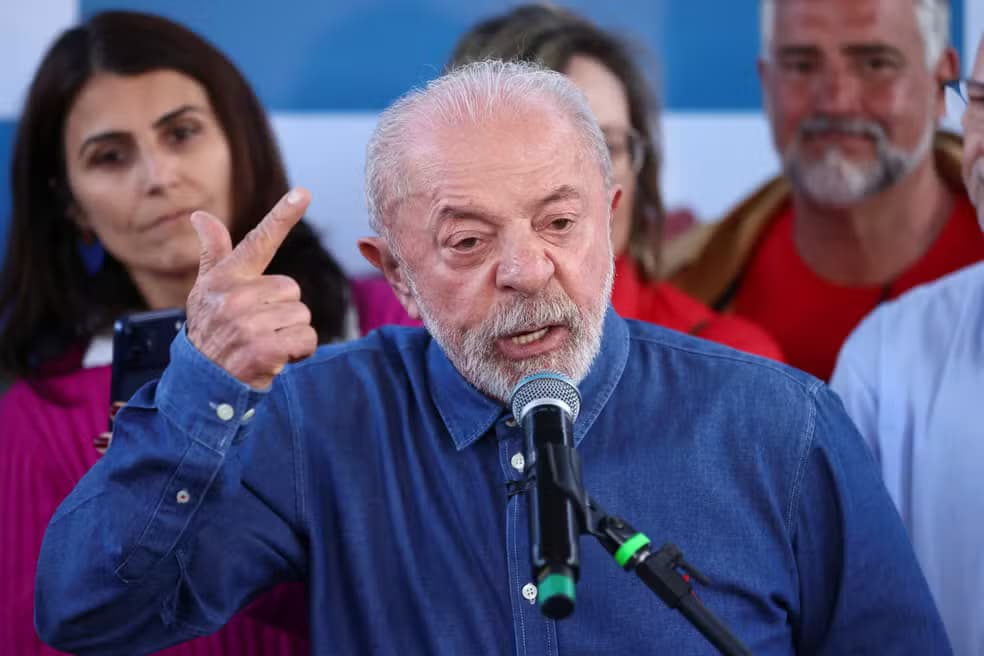
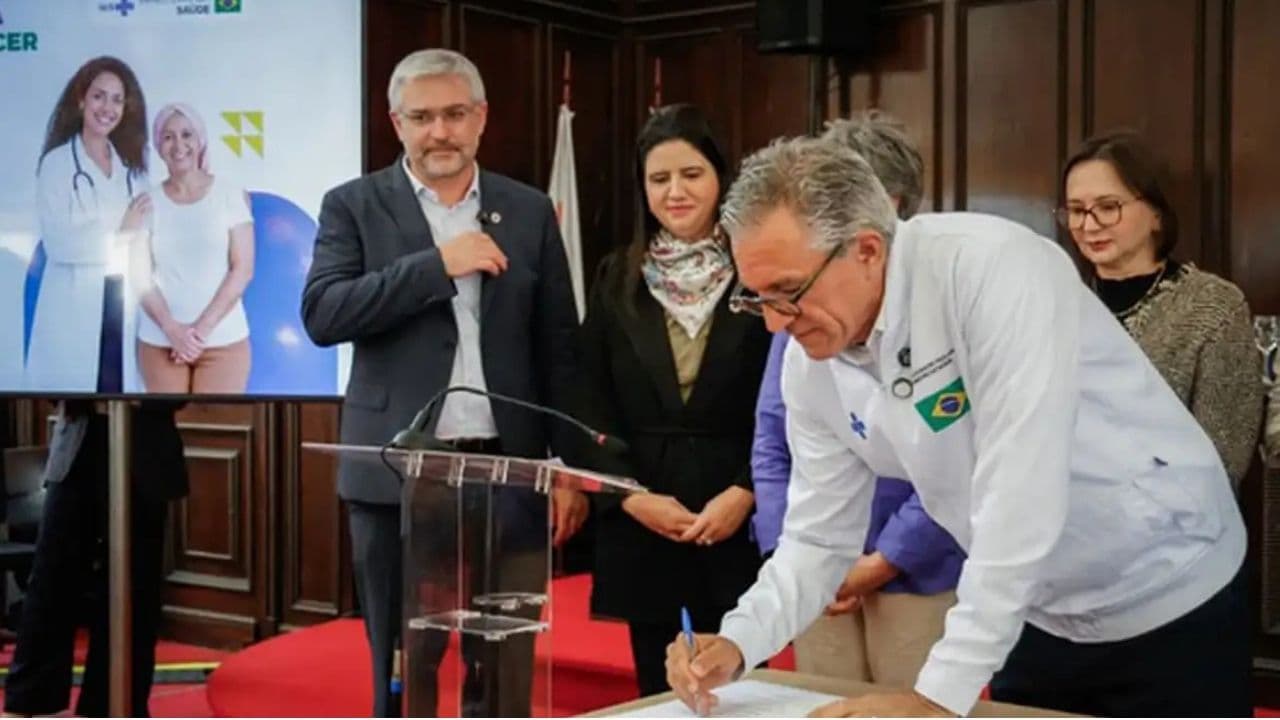
President Luiz Inácio Lula da Silva (PT) sent to Congresso Nacional, on Wednesday (21), a Proposal for an Amendment to the Constitution (PEC) that will be able to guarantee free public transport on weekends and holidays throughout Brazil from 2027. The measure provides for the use of part of the parliamentary amendments to finance the so-called zero tariff, allowing the population to use buses and other urban public transport services without paying a ticket on the days contemplated by the policy.
The proposal sets out the allocation of at least 26.8% of the annual resources of parliamentary tax amendments to cost the free. Considering the budget forecast for 2027, the investment could reach approximately R$ 12 billion.
The initiative will benefit millions of Brazilians, including residents of Ponta Grossa, Curitiba and other Paraná cities. However, the free service is not yet in effect and depends on the approval of the PEC by the Congresso Nacional, in addition to the necessary regulations for its implementation.
How will free public transport work on weekends?
The Federal Government’s proposal seeks to create financial conditions for municipalities and other responsible for public transport services to offer free tickets.
The intention is to broaden the population’s access to public transport, especially during rest periods, when many families need to move to leisure activities, culture, shopping and visits to relatives.
The policy may also benefit workers who meet schedules on Saturdays, Sundays and holidays, reducing travel expenses.
The proposed constitutional text establishes the financing of gratuity, while the specific operating conditions should be defined later. Therefore, PEC does not mean that all buses in the country will automatically start operating without charge on those days.
Where will the money come from to finance the zero rate?
The Federal Government intends to use resources that are already part of the Union Budget, without creating a new source of taxation specifically for the measure.
According to the text sent to Congress, at least 26.8% of the individual parliamentary amendments and of the mandatory execution bench should be allocated to the cost of free public urban transport.
The 2027 Lei Orçamentária Anual Project forecasts approximately R$44.8 billion in these amendments. Applying the proposed percentage, about R$ 12 billion could be reserved to finance the benefit.
The values would be transferred to the states, municipalities and other entities responsible for the public transport systems, according to the rules that would be established.
The proposal also preserves the constitutional resources allocated to health. According to the government’s justification, the measure should not increase primary spending, as it will use values already provided for in the federal budget.
Can Ponta Grossa have free buses on Saturdays and Sundays?
Residents of Ponta Grossa, in the Campos Gerais do Paraná, will also be able to benefit if the PEC is approved and the funding model allows the implementation of the free in the municipal system.
Currently, passengers who use the city’s public transport need to pay the current fare, except in situations where they already have the right to the free of charge.
With the approval and implementation of the proposal, the municipality will be able to count on recursos federais to pay the zero tariff in the periods contemplated by the policy.
However, there is still no confirmation as to when the benefit may reach Ponta Grossa. Implementation will depend on national rules, the distribution of resources and possible local administrative measures.
When will free public transport begin?
The proposal establishes that the new rules for the allocation of resources shall take effect as from Lei Orçamentária Anual 2027.
This means that funding can begin next year, provided the CEP is approved and the necessary conditions for its implementation are defined.
As it is an amendment to the Constituição Federal, the text should pass through two voting rounds in the Chamber of Deputies and the Federal Senate.
To be approved, it will need the support of at least 308 federal deputies and 49 senators in each of the respective shifts.
Until the completion of this process, the collection of tickets will normally continue in cities that do not have their own free transport programs.
Zero tariff seeks to expand access to leisure and reduce household expenses
The Federal Government argues that the cost of public transport represents a barrier for millions of Brazilians, especially for low-income families.
With the free on weekends and holidays, the expectation is to facilitate the movement of the population to parks, cultural spaces, sports activities, commerce and family gatherings.
The proposal is also related to the debate on the reduction of working hours and the end of the 6x1 scale, with the aim of expanding the opportunities for rest and leisure of workers.
Despite the announcement, free public transport on Saturdays, Sundays and holidays is still a proposal. The implementation will depend on the approval of Congresso Nacional and the definition of the rules of financing and operation of the services.