Memory of Parana journalism will gain a three-floor museum
Paraná Communication Museum advances with five journalists nominated by API. The space will have 1,200 m² and will be installed in Curitiba.

The Museum of Communication of Paraná has advanced to a new stage with the nomination of five journalists by the Association of the Press of Paraná (API) to participate in the discussions on the creation of the space, which should work in Curitiba and preserve the history of the press and journalism in the State.
The journalists nominated by the API were Adélia Lopes Salamene, Cláudia Regina de Oliveira Gabardo, Doroti Prados, Lana Seganfredo and Raul Guilherme Urban. The names were officially forwarded on August 27 to the Coordination of the State System of Museums (COSEM), linked to the State Secretariat for Culture (SEEC).
The formation of the group is the result of agreements initiated during a meeting held on August 19 between representatives of the Paranaense Press Association and the Coordination of the State System of Museums.
Group will help in the construction of the museum
The proposal is that professionals follow the next steps and contribute ideas for the implementation of the Communication Museum of Paraná, mainly in the construction of a space dedicated to the preservation of the memory of the press and Paraná journalism.
According to API president, journalist Célio Martins, the project is the result of a process that began in 2025.
“This advance is the result of a work that we started in 2025, through dialogue with journalists, students and professors of Journalism and representatives of journalistic companies,” he said.
After discussions with professionals and institutions related to communication, the proposal was presented to the Government of Paraná in February 2026, during a meeting with the state secretary of Culture, Luciana Casagrande Pereira.
Representatives of the API’s management and councils also attended the meeting, including Ulisses Iarochinski, Adélia Maria Lopes, Jean Luiz Féder, Doroti Prados and Carlos Bahia.
Memory of the press of the interior will be contemplated
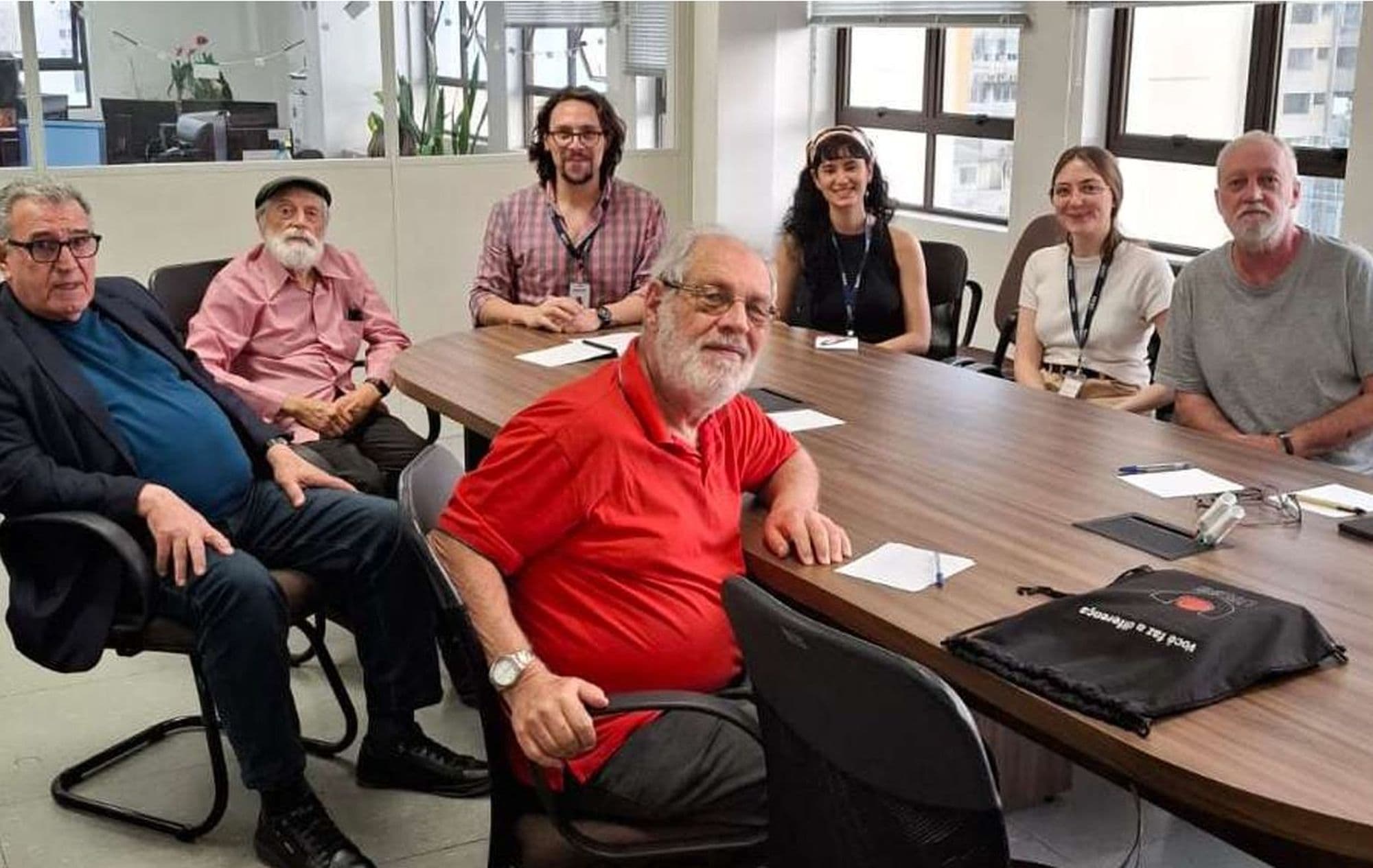
A new meeting took place on August 19. For COSEM, the coordinator Cauê Donato, the administrative assistant Nicole Pereira and the intern of Museologia Luiza Remez participated. The API was represented by journalists Jean Luiz Féder, Júlio Zaruch, Hélio Puglielli and Raul Guilherme Urban.
Among the proposals discussed are the creation of a timeline of the Paraná press, the preservation of equipment and historical documents and the collection of testimonies of journalists and other professionals who were part of the history of communication in the State.
Another point defended during the discussions is the enhancement of the press inside the Paraná, allowing the trajectory of vehicles, journalists and professionals from cities such as Ponta Grossa and Campos Gerais can also integrate the memory preserved by the future museum.
Museum will have about 1,200 square meters
The project provides for the Communication Museum to function as an arm of the Paraná Museum of Image and Sound (MIS).
The structure should be installed in the Ideas Factory, a complex located in the former Brahma Factory in Curitiba. The museum will occupy Block 6 and will have approximately 1,200 square meters distributed over three floors.
According to the Paranaense Press Association, the work for the implementation of the space has already been tendered.
For Célio Martins, the creation of the museum meets a historical demand of communication professionals.
"The creation of a space dedicated to the memory of journalism and journalists is a historical claim and makes it possible to protect an important part of the cultural and documentary heritage of an essential activity for the population," he stressed.
With the official nomination of the five journalists, the API now has representatives responsible for monitoring the development of the project and collaborating with the Secretariat of State for Culture in the next stages of implementation of the Paraná Communication Museum.