Optional voting rose 6.5 points in the second round
TSE data shows that 13.9 million optional voters went to the polls in the second round, an increase of 6.5 percentage points compared to the first. Young people aged 16 had the highest turnout rate, at 89.33%

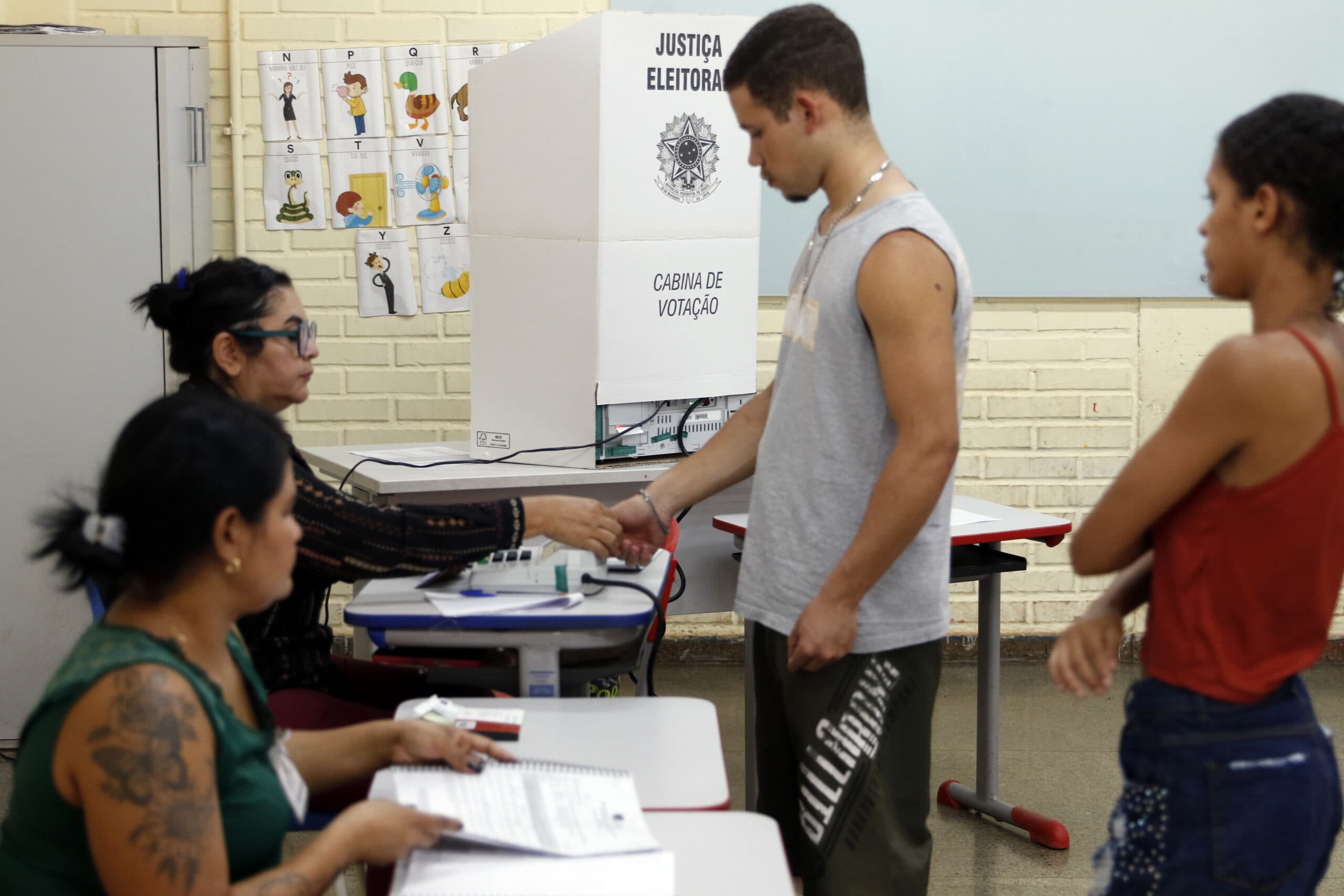
The turnout of voters with an optional vote increased in the second round of the 2026 elections, according to data from the Superior Electoral Court (TSE). Of the 22.2 million Brazilians in this condition, 13.9 million went to the polls, the equivalent of 62.7% of the group. In the first round, the index had been 56.2%, a rise of 6.5 percentage points.
The group brings together young people aged 16 and 17, older people over 70 and illiterate people, representing approximately 14% of the eligible electorate. In absolute numbers, about 2.96 million more voters attended the second round compared to the first. Almost half of this growth, 49%, came precisely from voters who are not required to vote.
16-year-olds lead participation
Among the age groups provided by TSE, 16-year-olds registered the highest percentage of attendance: 89.33% of the 606,603 eligible to vote. Abstention in this group decreased from 12.68% to 11.98%, a reduction of 0.7 percentage point.
In addition, young voters aged 16 to 29, of the so-called generation Z, registered attendance of 77.65% in the second round, compared to 76.83% in the first vote. The difference was 0.83 percentage points. Among young adults, 18-year-old voters were the only age group in Generation Z to show a reduction in attendance, from 86.81% to 86.47%.
The elderly also increase their presence at the polls.
The advance was even greater among older voters. In the 70-74 age group, attendance rose from 68.77% to 75.23%, up 6.46 percentage points. Among Brazilians aged 75 to 79, the index went from 52.23% to 61%, an increase of 8.78 points. Among those aged 80 to 84 years, attendance increased from 37.12% to 46.48%, a difference of 9.36 percentage points.
Considering the data from TSE, turnout among voters aged 60 and over rose from 70.37% in the first round to 74.71% in the second, an increase of 4.34 percentage points. In absolute numbers, there were 1.62 million additional attendances in this age group. The reduction in abstention was also significant among older voters: among Brazilians aged 70 to 79, the index fell from 37.9% in the first round to 30.5% in the second.
Difference between mandatory and optional decreases
The numbers indicate a reduction in the participation gap between the two groups. In 2018, the distance between the attendance of the voters obliged and entitled to vote was 34.3 percentage points. In the second round of 2026, it fell to 21 points.
Among Brazilians subject to compulsory voting, growth was much lower, from 82.6% to 83.7%. Since 2014, the turnout of voters forced to vote has remained relatively stable, oscillating between 82.9% and 83.7% in the second round of the last four general elections. Among voluntary voters, on the other hand, the index was below 50% in 2014 and 2018, rose to 53.3% in 2022 and reached 62.7% in 2026.
General abstention falls in the second round
In the general balance of the second round of 2026, 128.2 million Brazilians attended the ballot box, of a suitable electorate of more than 158 million. Abstention was 19.2%, below the 21.08% recorded in the first round, according to data released by TSE.
Despite the progress, abstention remained high in the more advanced age groups. Among Brazilians aged 80 and over, 65.37% of eligible voters did not go to the polls in the second round. The TSE did not elaborate on the reasons for the increase in voluntary attendance.
The growth of the voluntary vote in the second round indicates greater engagement of young and old, groups historically with less participation. The Boca no Trombone Portal will continue to monitor the electoral unfoldings and the official data of the TSE.
Read Also
Administrative reform could extinguish secretariat and change the first rank of Elizabeth Schmidt
Optimistic Minister to end restriction on pork
Cármen Lúcia files journalist's action against Bolsonaro
Font
www.gazetadopovo.com