Polls show reduction in Flávio's lead over Lula, by Gleidson Carlos
AtlasIntel and BTG/Nexus polls indicate reduced lead for Flávio Bolsonaro over Lula and intensify the presidential race.

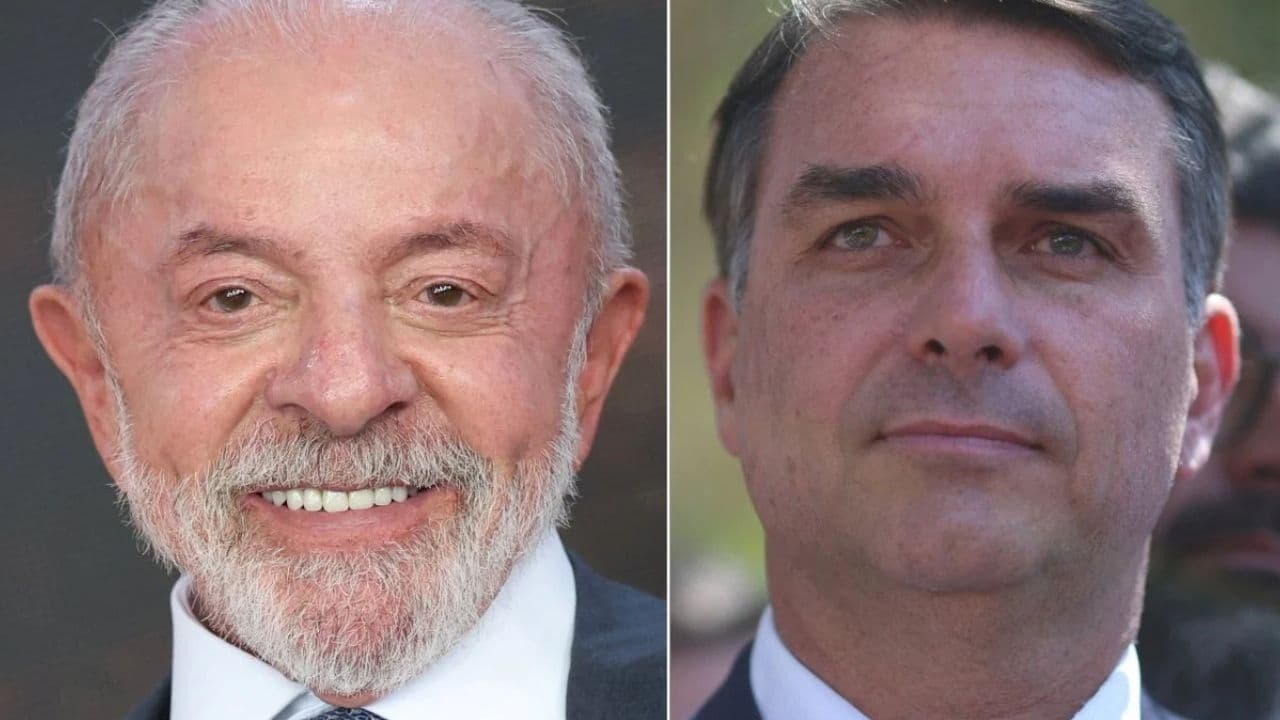
The two surveys, AtlasIntel and BTG/Nexus, released on Monday to the Presidency of the Republic, show a reduction in Flávio Bolsonaro's advantage over Lula. The interviews were conducted on Saturday, and the largest reduction appears in the BTG/Nexus, where the difference fell from 3.2 to 0.6 percentage points in the valid votes. At AtlasIntel, the distance also decreased from 5.6 to 2.2 percentage points.
In BTG/Nexus, Flavio has 50.3% of the valid votes, against 49.7% of Lula. At AtlasIntel, the senator appears with 51.1%, while the president registers 48.9%. In practice, the two surveys point to a scenario of quite fierce dispute.
But what can explain this reduction? The surveys begin to capture the effects of measures such as the reduction of the 6x1 working day, approved by the Federal Senate last week. But, from a strategic point of view, I consider even more important Lula’s measures aimed at individual micro-entrepreneurs, such as the forgiveness of debts and the credit of five thousand reais via Pix. These initiatives can help explain the diminished advantage of Flávio Bolsonaro.
These measures reach a portion of the population that has entered the universe of entrepreneurship and that, over the years, possibly ascended economically, leaving classes C and D. It is a public that does not necessarily directly benefit from the reduction of the working day, but that can be achieved by credit policies and debt renegotiation.
These are the rabbits that Lula pulls from his hat in an attempt to move the electoral scenario. And the narrowing of the gap in searches may be a first sign of this movement, although it is still too early to attribute the change to a specific measure.
In addition, the polls released from today should begin to measure the perception of the voter about the confrontation. The debate fell far short of what undecided voters could expect. There has been little, in fact, of a consistent discussion of ideas and proposals.
The predominant strategy was the wear and tear of the opponent’s image, with accusations of corruption on both sides. The result was a confrontation that ended up undermining the programmatic discussion and leaving in the background discussions about economy, public safety and health...
Now, the question is whether the debate will have any effect on voting intentions or whether the dispute will continue to be defined by the ability of each campaign to present measures that directly converse with the economic reality of Brazilians.
See this post on Instagram
A post shared by 📢 Boca no Trombone Ponta Grossa (@boca.trombone.pontagrossa)
Read also: Flavio’s favoritism or Lula’s rejection? by Gleidson Carlos