Ponta Grossa becomes reference in Paraná for investments and real estate growth, points Secovi-PR
Secovi-PR highlights Ponta Grossa as an example of urban development and points to public investments as a boost to the real estate market.

Ponta Grossa has gained prominence in the real estate landscape of Paraná due to the public investments made in recent years and the potential for economic expansion. The municipality was cited by the Union of Housing and Condominiums of Paraná (Secovi-PR) as an example of a city where improvements in infrastructure, urban mobility and public services can favor the arrival of new ventures and real estate valuation.
According to the entity, the growth of the real estate market does not depend only on the construction of houses, condominiums and lots. Before that, it is necessary to ensure adequate conditions so that the population can live, work and undertake with quality of life.
The Secovi-PR evaluates that paving works, new connections between neighborhoods, public lighting, schools, health and safety units have direct reflections on economic development. In addition to benefiting residents, these improvements make different regions more attractive to businesses and investors.
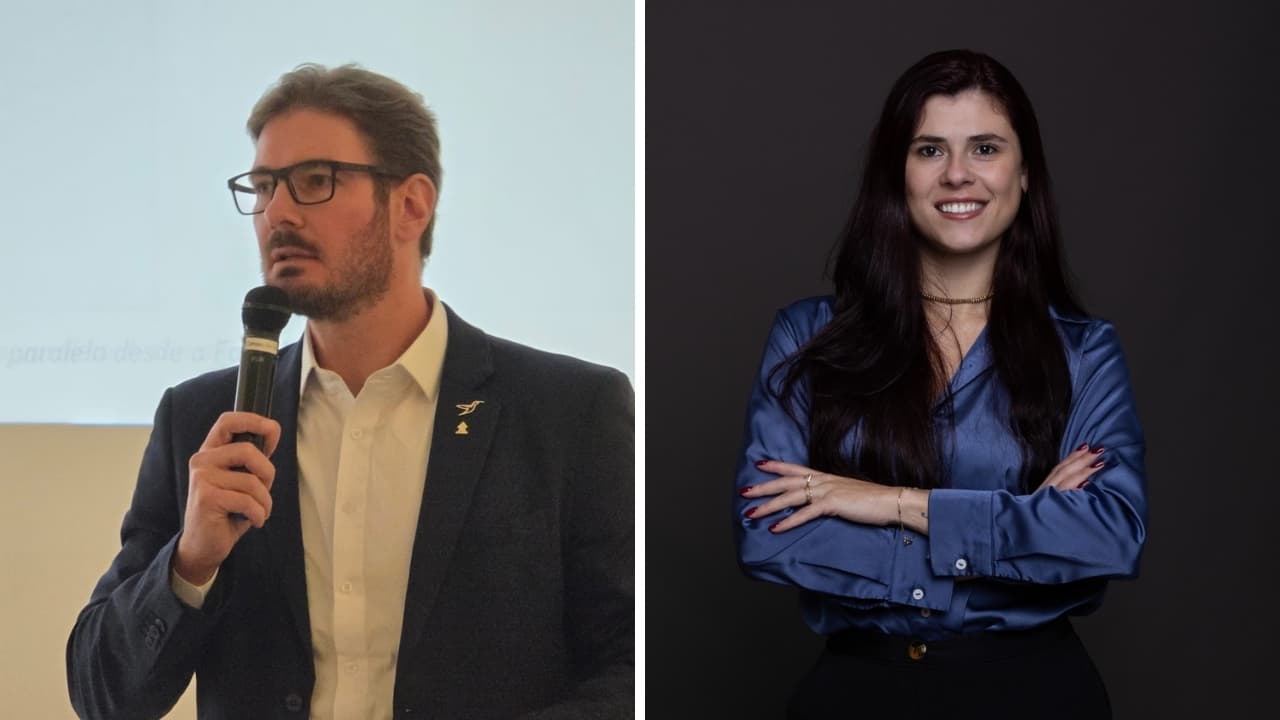
The president of Secovi-PR, Carlos Ribas Tavarnaro, emphasizes that the entity’s activities go beyond the interests of companies in the sector.
“Real estate development is directly related to people’s quality of life. When we claim public investments from different spheres of government, we do not think only of the associated companies and their professionals, but of the collective well-being,” he says.
Ponta Grossa surpassed R$ 1 billion in investments
One of the main factors highlighted by Secovi-PR is the volume of resources allocated by Prefeitura de Ponta Grossa to infrastructure, health and education.
According to data presented by the municipal administration, in 2025 investments in these three areas exceeded R$ 1 billion. Of this total, R$ 508 million were allocated to Education, R$ 354 million to Health and more than R$ 155 million to Infrastructure.
In urban mobility, the entity cites investments in paving and new road connections. Among the examples are contracts to pave 75 kilometers of streets in 26 villages, with values exceeding R$ 135 million.
Another highlight is the connection of Avenida Anita Garibaldi, inaugurated in September 2026, connecting the Orphans and Boa Vista neighborhoods. The intervention created an alternative of displacement between regions previously geographically separated, contributing to improve the circulation of vehicles.
For Secovi-PR, investments of this type can stimulate the opening of supermarkets, pharmacies, restaurants, gyms, shops and other establishments, strengthening the economy of the neighborhoods.
New industries expand the city’s real estate potential
Industrial growth is also pointed out as an important factor for the future of the real estate market of Ponta Grossa.
Among the private investments announced are the new Nissin Foods plant, with an estimated contribution of R$ 1 billion, and the XBRI Pneus venture, with a forecast of R$ 1.5 billion.
Together, the projects are expected to generate at least 1,000 direct jobs, according to information presented by the sector.
The arrival of new businesses can increase the demand for housing, commercial real estate and services. However, the Secovi-PR points out that this growth needs to be accompanied by urban planning and expansion of public infrastructure.
Project Viva o Centro intends to transform central region
In addition to recognizing public investments, Secovi-PR participates directly in discussions on the urban future of Ponta Grossa.
One of the main initiatives is the Viva o Centro de Ponta Grossa project, presented by the president of the entity, Carlos Ribas Tavarnaro, and approved by the Economic Development Council of Ponta Grossa (CDEPG) in May 2026.
The proposal received formal support from the City Council in July and provides for measures to recover the attractiveness of the central region, stimulate the occupation of real estate and strengthen trade.
Among the actions discussed are improvements in lighting, security, mobility, sidewalks and public spaces, as well as incentives to recover empty commercial properties and expand the offer of housing.
One of the possibilities under analysis is the creation of a gastronomic route on Rua XV de Novembro, encouraging the installation of bars, cafes and restaurants.
The initiative also involves dialogue with business entities and planning bodies, seeking to build solutions to make the Center more attractive to residents, consumers and investors.
Entity advocates participation of society in decisions
For Mari Kermelin Meira, Director of Communication and Marketing of the Regional Campos Gerais of Secovi-PR, the dialogue between the public power and the representative entities is fundamental to guarantee investments that meet the needs of the population.
“In listening to organised civil society, the public power demonstrates maturity. Investments should always be made with a focus on facilitating people’s daily lives,” he says.
Mari also points out that the proper use of public resources produces benefits that reach different segments of society, strengthening both the economy and the quality of life.
Real estate valuation must be a consequence of development
The Secovi-PR argues that real estate growth needs to be associated with effective improvements in the structure of cities.
The entity recalls that the Government of Paraná announced R$ 34.5 billion made available for urban infrastructure projects over the last seven years. By 2026, the forecast presented by the State was more than R$ 6.4 billion in municipal investments, including resources for new stages of the Asphalt New, Vida Nova program.
For Carlos Ribas Tavarnaro, public investments need to consider not only the economic return, but also the conditions offered to the population.
“Real estate valuation is important for the sector, but it cannot be analyzed in isolation. Before a property is valued, it is necessary that the city offers conditions for people to want to live, work, study, consume and invest in that region,” he concludes.
The evaluation of Secovi-PR is that Ponta Grossa meets the conditions to expand its real estate development, provided that public and private investments continue accompanied by planning, infrastructure and services capable of meeting the growth of the city.
Read also: https://bntonline.com.br/historia-de-casal-que-recomecou-en-pg-ganha-palco-na-pre-estreia-do-fenata/