Pope criticizes illegal mining and damage in the Amazon
The Pope Leo XIV denounced on Sunday (15), in Pucallpa, Peru, the deforestation and river contamination caused by illegal mining and oil spills. He also condemned drug trafficking and recognized the work of the Church in the region.

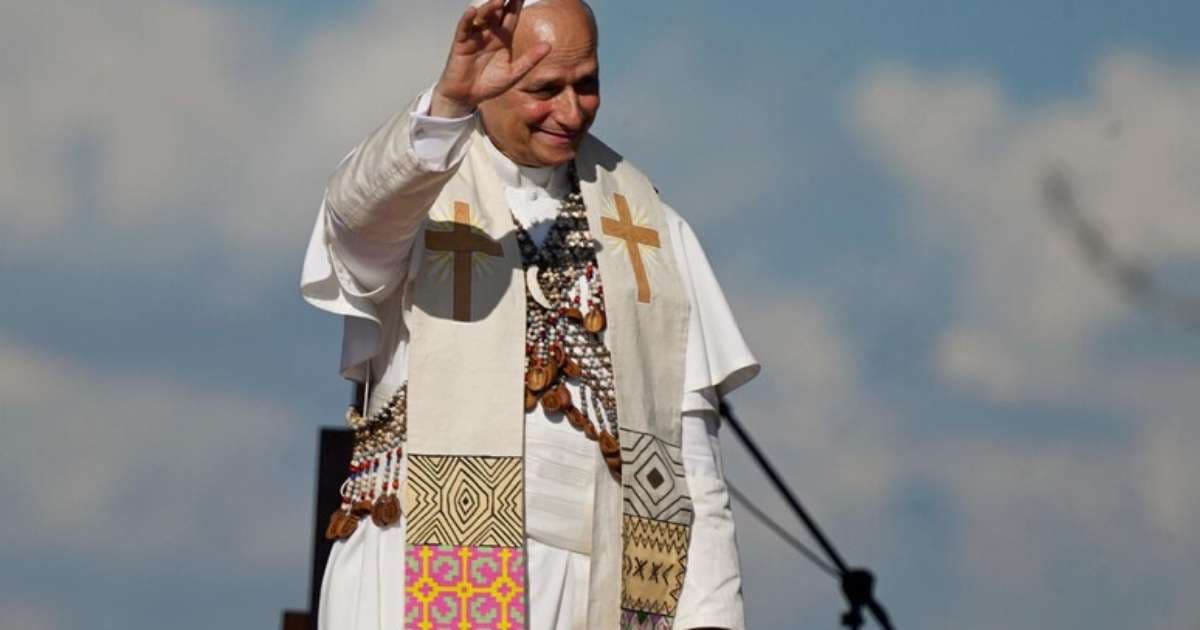
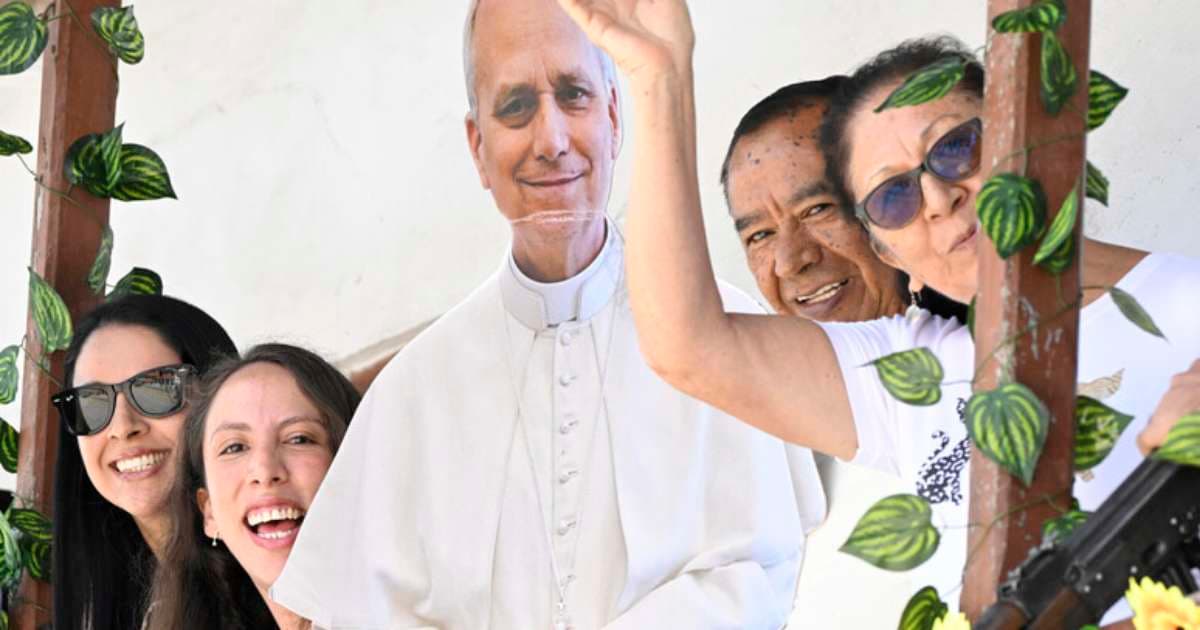
Pope Leo XIV made harsh criticism of the predatory exploration of the Peruvian Amazon during a homily held on Sunday in Pucallpa, a city on the banks of the Ucayali River. In front of thousands of faithful gathered in the Malecón Puerto Callao, the American pontiff denounced the indiscriminate deforestation and contamination of the rivers caused by illegal mining and oil spills in the region.
According to the leader of the Catholic Church, these environmental damages "are not accidental, but rather the bitter fruit of the arbitrary exploitation of the recursos naturais, which undermines the very existence of the population". The statement was received with applause and chants by a crowd carrying flags and religious images, in one of the most symbolic moments of the papal visit to Peru.
Reporting against predatory exploitation
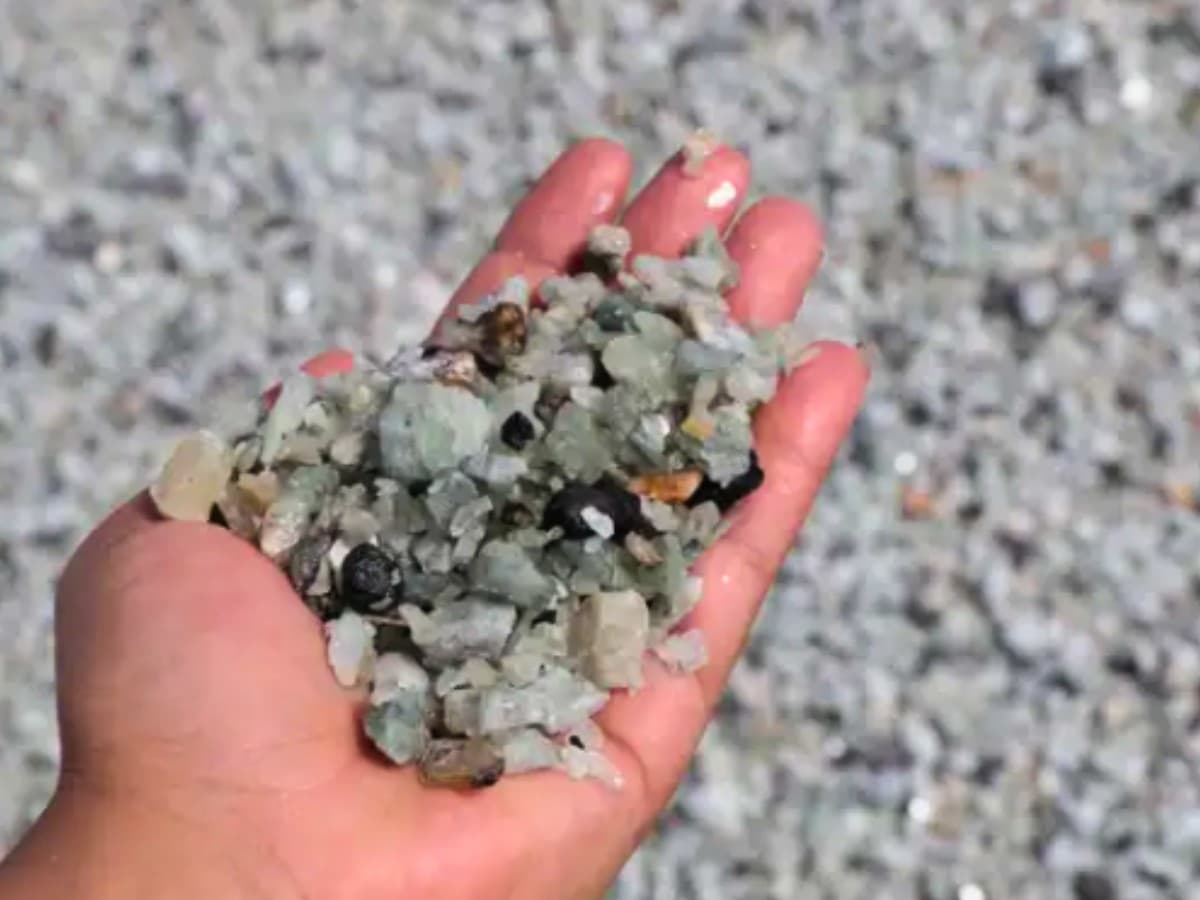
During the celebration, Pope Leo XIV directly associated the destruction of the forest and waterways with the action of illegal miners and companies that do not control oil leaks. He said unregulated mining has left a trail of mercury in rivers, affecting fishing and the health of riverside communities.
The Pope also mentioned that oil spills compromise the supply of clean water and fertility of the soil, aggravating food insecurity in indigenous villages and isolated villages. "The source did not detail numbers of areas hit or volume of oil spilled, but the tone of the speech indicated urgency," he said.
The speech of Leo XIV echoes historical claims of socio-environmental movements in the Amazon, which charge greater oversight of the Peruvian state and punishment for environmental crimes. The region of Ucayali, where Pucallpa is located, concentrates reports of mining in indigenous lands and of contamination by hydrocarbons.
Drug trafficking and youth vulnerability
In addition to the criticism of environmental destruction, the Pope condemned the advance of drug trafficking among vulnerable communities in the region. He warned that drug trafficking takes advantage of poverty and the lack of opportunities to attract young people, offering quick money in exchange for involvement in illicit activities.
“To this is added the insidious shadow of the drug trade, which takes advantage of the poverty of young people, attracting them with false promises of wealth and tearing them out of their own culture,” the pontiff warned. The statement was seen as an appeal to local authorities to invest in education, employment and social protection.
According to the cleric, drug trafficking is also linked to deforestation, as areas of forest are cleared for the planting of coca and for the opening of clandestine routes. He called on the Church and civil society to unite to offer alternatives to a dignified life for young people in the Amazon.
Recognition of the Amazonian Church
In the final part of his speech, Pope Leo XIV recognized the work of the Amazon Ecclesial Conference and the Pan-Amazonian Ecclesial Network in building "a Church with an Amazonian face." He praised the work of missionaries, lay people and religious who work in remote areas, often without basic structure.
The presence of the Church in these regions is fundamental to give voice to indigenous peoples and to denounce injustices. He also encouraged the continuity of evangelization projects that respect local cultures and promote sustainable development.
The visit to Pucallpa is part of an apostolic journey that includes other Peruvian cities. The expectation is that the pope will continue to address issues such as integral ecology, rights of indigenous peoples and the fight against corruption in his upcoming commitments.
Regional impact and next steps
The statements of Pope Leo XIV have repercussions throughout the Amazon biome, which extends through nine countries, including Brazil. In Paraná, entities linked to the defense of meio ambiente and indigenous communities closely follow the developments of the papal visit, as the illegal exploitation of gold and oil also affects rivers and forests in Brazilian territory.
Experts heard by the report say that the pontiff’s speech can pressure governments to tighten up enforcement against illegal mining and demand more effective contingency plans from oil companies. However, the source did not detail whether there will be any concrete action announced after the homily.
The pope’s next public engagement in Peru is set to take place later this week, with meetings with indigenous leaders and representatives of social organizations. Full coverage of the Apostolic Journey can be followed on the Boca no Trombone portal, with daily updates and expert analysis.
Read Also
More than 1,600 flights are cancelled on the Estados Unidos this Sunday
Peru declared Land of Pope Leo XIV by decree
Deaths recorded in Ponta Grossa and region this Sunday (15)
Font
www.terra.com.br