The Capital Wants to Freeze Workers' Wages, But Not the Profits Themselves
Discussion on Freezing the Minimum Wage Highlights Differences Between Fiscal Adjustment, Bank Profits, Public Debt Interest Rates, and Social Impacts

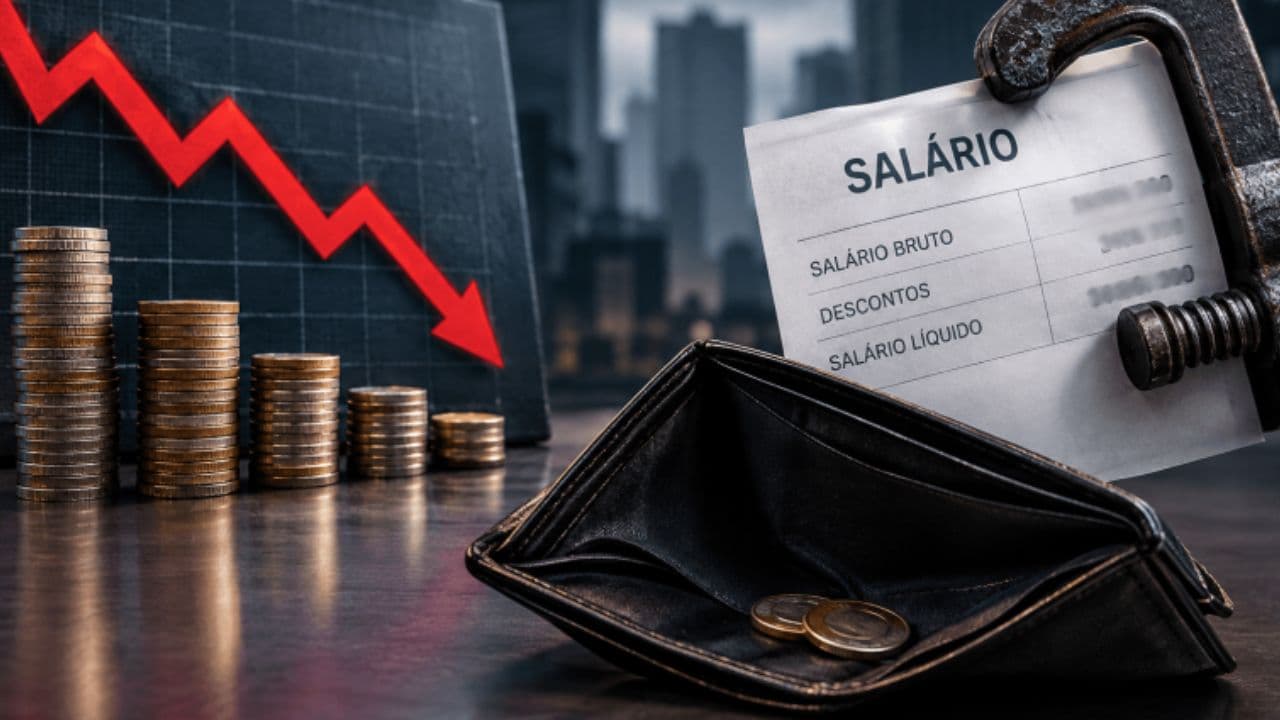
There is a contradiction in the discourse of part of the Brazilian financial market, when the subject is fiscal responsibility, the minimum wage and the social programs, appear as problems that drive public debts. The solution presented by capital passes by limiting or even freezing the real gains of those who depend exclusively on labor itself.
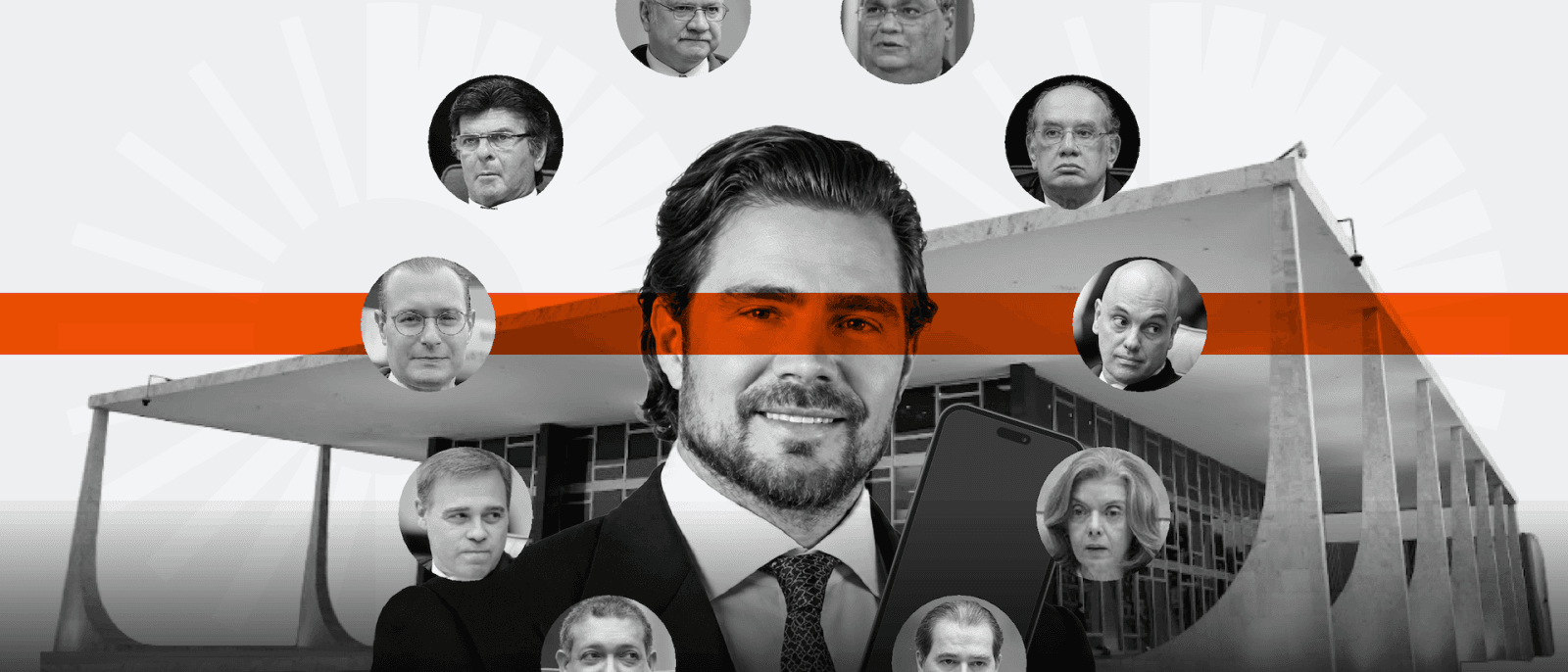
In April 2025, former Banco Central president Arminio Fraga defended freezing the minimum wage, above inflation, for six years. The argument is because by realigning the values, it benefits not only the employees of the private initiative, but because the minimum serves as a reference for other public services, such as the payment of pensions from the INSS, BPC, Unemployment Insurance, Wage Subscription and others.
But why does sacrifice always begin with the income of those who have less? In 2025, the four largest private banks with shares in the Brazilian Stock Exchange, Itaú, Bradesco, Santander and BTG Pactual, added R$ 101.5 billion in profits.
Meanwhile, Brazil disbursed approximately R$ 1 trillion in nominal interest from dívida pública in the same year, the equivalent of 7.9% of GDP, according to a study by the BNDES.
It is not a question of claiming that the profits of the banks are illegal or that the government can spend without limits. The question is another, why does the discussion of fiscal balance gain so much force when it involves retirements, social benefits and wage valuation, but does not receive the same attention when discussing the financial cost of debt and the remuneration of capital?
The worker who receives a minimum wage is not concerned about the future interest rate or the confidence of investors. He's worried about the rent, the food, the light bill and the transportation. And, even working, you often need to turn to social programs to get the month to close.
Freezing the salary can alleviate part of the expenses linked to the floor, but it also means removing the possibility of real gain for millions of Brazilians. We must discuss the tax cost, but also the social cost of this choice.
The financial market has every right to defend its interests. The problem starts when these interests are presented as if they were necessarily the interests of the country. The economy cannot be measured only by investor confidence, by the performance of the stock market or by the profitability of financial institutions.
If Brazil needs to make adjustments, discuss the tax structure, the cost of interest, public spending, privileges and the distribution of income. But turning the wages of those who work into the first variable of sacrifice is ignoring that an economy also depends on workers with purchasing power.
After all, what is the use of defending public accounts when millions of Brazilians cannot close their own accounts?
The Paraguay of less taxes sold dreams, but delivered nightmares, by Gleidson Carlos